Cycling Shoes

5 Best Commuter Cycling Shoes of 2026: That Actually Fit and Walk Well

Find commuter cycling shoes with recessed SPD cleats that don't squeeze toes or fall apart after months. For narrow to average feet.

Many commuter cycling shoes promise walkability but deliver tight toe boxes and short lifespans. The gap between marketing and real-world experience is wide.

This guide focuses on shoes that balance pedal stiffness with off-bike comfort, with particular attention to sizing accuracy and build quality. The choice often comes down to a proven design with thousands of reviews versus a newer model with modern conveniences like dial closures.

For riders with narrow to average feet, the right shoe makes daily commuting effortless. For those with wider feet, knowing which models to skip saves time and money.

1

Giro Code

Top Pick
Giro Code

All-purpose commuter

Our Score 9.0/10
Check Price

Worth Noting

  • Occasional sole separation or accelerated wear has been noted in some units
  • Narrow toe box and small sizing may require sizing up for those with wider feet
Fit
Narrow, runs small
Closure System
Laces + Velcro
Sole Stiffness
Nylon plate, rubber outsole
Cleat Compatibility
2-bolt recessed
Read the full review

The Giro Code delivers a stiff nylon plate for efficient pedaling power transfer without leaving you hobbling on pavement. The Vibram outsole and recessed SPD cleats provide reliable traction off the bike, turning commuting errands into a seamless transition between bike and sidewalk. The lace-and-Velcro closure keeps fit secure during rides, while the casual sneaker aesthetic means these blend into office or coffee shop settings without looking like athletic gear.

This shoe suits riders with narrow to average feet who want a single pair that handles both riding and walking without compromise. The toe box runs narrow and sizing runs small, so those with wider feet or high-volume insteps will need to size up significantly — or look elsewhere. For the intended foot shape, the Code offers a proven platform backed by thousands of rider experiences, making it a low-risk pick for daily commuting.

Order a half size up from your usual shoe size to account for the snug fit — particularly if you wear thicker socks in cooler months.

Bottom line: For commuters with narrow to average feet who want a do-it-all shoe that rides and walks well, the Code is a well-documented performer at a fair price.

2

Giro Rincon

Giro Rincon

Modern commuter

Our Score 9.0/10
Check Price

Worth Noting

  • Heel wear and fabric tearing can occur after moderate use
  • Sole stiffness may feel excessive for extended walking
Fit
Accurate average feet
Closure System
BOA L6 dial + strap
Sole Stiffness
Nylon/glass fiber
Cleat Compatibility
2-bolt recessed
Read the full review

The Rincon’s BOA L6 dial allows micro-adjustments on the go, and its injection-molded nylon/glass fiber sole is noticeably stiffer than many commuting shoes — a benefit for power transfer on the bike. The toe box is generous for average feet, and most riders find the fit true to size. Durability is the catch: the heel area and upper fabric can show wear sooner than expected under daily use, and the stiffness that aids pedaling may feel excessive on longer walks. This shoe suits commuters who prioritize on-bike feel and modern convenience over long-term toughness.

The stiff sole is great for pedaling but may feel firm on longer walks — consider a softer insole if you'll be on your feet often.

Bottom line: If you value on-bike feel and dial convenience and don’t mind possible heel wear, the Rincon is a capable choice — but the Code offers better long-term value for daily abuse.

3

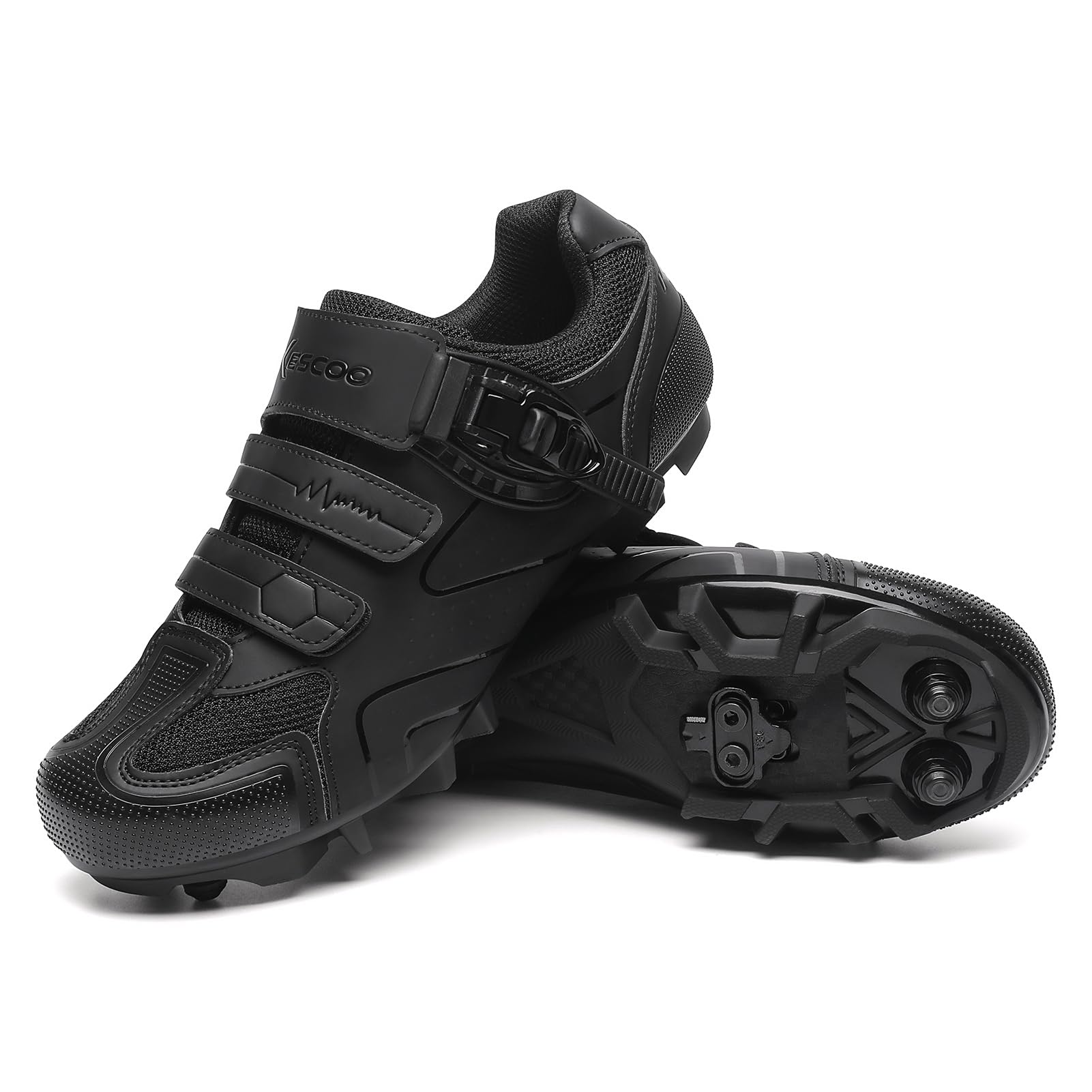
KESCOO MTB SPD

KESCOO MTB SPD

Budget starter

Our Score 8.8/10
Check Price

Worth Noting

  • Ratchet buckle may not tighten enough for a secure fit
  • Sole separation has been noted after months of use, so heavy daily riding is risky
Fit
Narrow toe box
Closure System
2 Velcro + ratchet buckle
Sole Stiffness
Nylon composite, rubber
Cleat Compatibility
2-bolt recessed
Read the full review

The KESCOO comes with SPD cleats in the box, making it the most affordable way to get clipped in. The nylon composite sole and dual Velcro straps offer a responsive feel for indoor cycling or short commutes. However, long-term durability raises questions — some users report the sole separating from the upper after months of use. This shoe suits riders who need a budget-friendly SPD option for spin classes or occasional rides, not a daily workhorse. The narrow toe box also means those with wider feet should look elsewhere.

Tighten the ratchet buckle gradually for a more secure feel — it can loosen under heavy effort.

Bottom line: A great entry-level pick if your budget is tight and you need cleats included; upgrade to a sturdier option if you plan to commute daily.

4

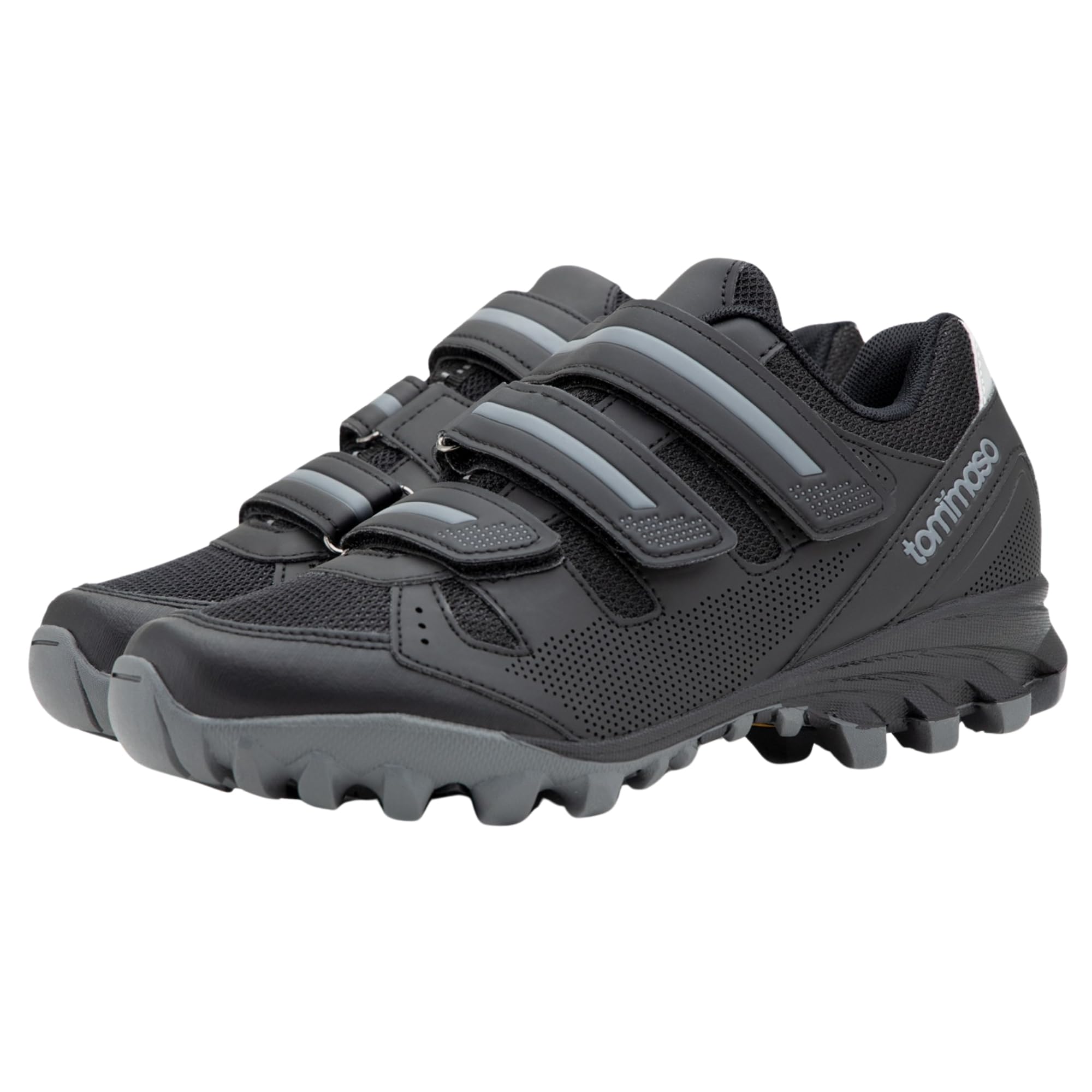
Tommaso SPD

Tommaso SPD

Walkable daily

Our Score 8.4/10
Check Price

Worth Noting

  • In a pair of average-width feet, the narrow fit may cause discomfort on longer rides; sizing up a full size helps.
  • The center buckle can slip or malfunction with moderate use
Fit
Narrow, size up
Closure System
2 Velcro + ratchet buckle
Sole Stiffness
Flexible rubber outsole
Cleat Compatibility
2-bolt recessed
Read the full review

The Tommaso prioritizes off-bike comfort better than any shoe near its price. While the Giro Code balances ride stiffness and walkability, the Tommaso leans heavily toward the latter with a rubber sole that hides cleats completely. The synthetic leather and mesh upper keeps the look low-key, passing for casual sneakers at a glance. Cleats are not included, so factor that into the total cost. Ideal for commuters who spend more time on their feet than on the pedals – think coffee stops, errand runs, or a desk job where clacking cleats would be a nuisance.

Check the center buckle tension periodically – it may need adjustment or replacement over time.

Bottom line: Best for riders who walk more than they pedal and want a casual-looking shoe that handles daily commuting without calling attention to itself.

5

Shimano MX100

Shimano MX100

Budget narrow

Our Score 8.2/10
Check Price

Worth Noting

  • Traction can be poor on wet surfaces.
  • Very narrow fit - most wide-foot riders will find it painful.
Fit
Very narrow
Closure System
3-strap Velcro
Sole Stiffness
Rubber outsole
Cleat Compatibility
2-bolt recessed
Read the full review

The MX100 delivers Shimano's dependable construction in a simple three-strap Velcro design that works well for short commutes. The recessed cleat area and rubber outsole make it easy to walk in, a practical feature for errands and office stops. This shoe is sized for narrow feet — anyone with a wider foot will find the toe box too tight.

The rubber outsole loses grip on wet pavement, so riders in rainy climates should plan for dry conditions only. Budget-minded commuters who prioritize value over versatility will appreciate the low cost.

Bottom line: For narrow-footed commuters on a budget, the MX100 delivers Shimano reliability without frills - but leave it at home when rain is in the forecast.

How to Choose

Cleat Compatibility

Commuter shoes must use a 2-bolt recessed SPD cleat to allow walking. Road shoes with 3-bolt cleats protrude, making them clumsy on pavement and damaging floors. Recessed cleats sit inside a channel in the sole, so you only feel a slight click on tile or concrete.

When choosing, verify the shoe explicitly states recessed cleat compatibility. Some budget models claim SPD support but the cleat pocket is shallow, causing the cleat to still scrape the ground.

Sole Stiffness

A stiff sole transfers pedaling force efficiently, but too much stiffness makes walking feel like clogs. Commuter shoes use a nylon or fiberglass plate that offers a middle ground. Softer soles (like the Tommaso) are easier to walk in but can flex under hard pedaling.

For a daily commute under 10 miles, moderate stiffness is fine. Longer rides benefit from a stiffer sole like the Rincon's nylon/glass composite, which reduces foot fatigue over distance.

Closure System

Velcro straps are simple and cheap but lose grip over time. Laces offer a custom fit but require stopping to adjust. BOA dials allow micro-adjustment on the fly and distribute pressure evenly across the foot.

For commuters who frequently stop and start, a dial saves seconds each time. But if you prefer zero-maintenance, laces or Velcro are just as functional once set correctly.

Fit

Nearly all commuter cycling shoes run narrow, especially in the toe box. A snug heel is essential to prevent hot spots, but toes need a few millimeters of wiggle room. Ordering a half-size up is common advice for Giro and Tommaso models.

Wide-footed riders should look for brands that offer wide sizing or models explicitly described as roomy. Shoes that pinch the forefoot cause numbness on longer rides and make walking uncomfortable.

Frequently Asked Questions