Cycling Apparel

11 Best Cycling Shoe Covers of 2026: Which Water Resistance Claims Hold Up

Find cycling shoe covers that actually keep your feet dry and warm without breaking after a few rides. We cut through waterproof marketing hype for road, MTB, and gravel riders.

Many cycling shoe covers promise waterproofing that fails in the first rain. Zippers break after a few rides, and sizing is often too tight for larger feet. The real challenge is matching a cover's strengths to your typical riding conditions.

Toe covers work well for mild cold, but full overshoes are necessary below 40°F. Durability varies widely, especially at budget prices. This guide focuses on what actually matters: warmth, fit, and whether the water resistance holds up.

1

Pearl Izumi Toe Cover

Top Pick
Pearl Izumi Toe Cover

Premium toe warmth

Our Score 8.8/10
Check Price

Worth Noting

  • Bottom material may develop holes with hard, frequent pedaling
  • Snug fit can make it tough to pull over larger cycling shoes
Fit Accuracy
Runs small, size up
Warmth Level
Toe, 40-50°F
Sole Protection
None
Water Resistance
Not waterproof
Read the full review

The Pearl Izumi Elite Thermal Toe Cover delivers consistent warmth and wind protection right where toes need it most. The thermal neoprene material seals out cold air without adding bulk, making it a focused solution for cool-weather road rides. Build quality stands out among toe covers, with stitched edges that hold up well to regular use.

Fit is intentionally snug — the stretch neoprene wraps tightly around the shoe nose and stays put without a zipper. This works well for narrow to medium shoe profiles, but larger sizes may require extra effort to pull on. The tradeoff is a secure seal that blocks drafts effectively in the 40-50°F range.

This toe cover suits cyclists who prioritize warmth and wind blocking over full shoe coverage and are riding at moderate effort levels. The bottom material can wear through with heavy, aggressive pedaling over time, so lighter touring or endurance pacing extends its lifespan.

Slip the cover on before fully tightening your shoes — the snug fit is easier to manage when the shoe is slightly loose.

Bottom line: A well-built toe cover for cool mornings, best suited to moderate-effort rides where full coverage isn't needed.

2

ROCKBROS Toe Covers

ROCKBROS Toe Covers

Budget toe warmth

Our Score 8.8/10
Check Price

Worth Noting

  • Kevlar sole may separate from neoprene body after repeated use on larger shoes
Fit Accuracy
Tight on US12+
Warmth Level
Toe, 40-50°F
Sole Protection
Kevlar bottom
Water Resistance
Not waterproof
Read the full review

The ROCKBROS Toe Covers deliver effective warmth for 40-50°F at a budget price, and the slip-on design makes them easy to put on and take off. They are best for commuters on short trips or budget-conscious riders with shoe sizes under US 12. However, the Kevlar bottom can separate from the neoprene over time, especially on larger shoes, so it is best suited for those who do not drag their heels and have average-sized feet. This is a more affordable alternative to the Pearl Izumi toe covers, trading long-term build for low cost.

Hand-washing and air drying can help extend the life of the Kevlar sole attachment.

Bottom line: A good value for mild cold short rides if your shoe size is under US 12 and you do not drag your heels.

3

Fizik Winter Overshoe

Fizik Winter Overshoe

Road aero warmth

Our Score 8.6/10
Check Price

Worth Noting

  • Water resistance is limited; feet may get wet in moderate to heavy rain
  • Sizing is very tight – order 1–2 sizes larger than usual
Fit Accuracy
Runs small, size up
Warmth Level
Full, cold weather
Sole Protection
None
Water Resistance
Waterproof (membrane)
Read the full review

The Fizik Winter Overshoe delivers a slim, aero profile and high-quality neoprene construction that road cyclists will appreciate for its clean look and warmth in cold, dry air. The full zipper closure and reflective accents add convenience and visibility. However, the waterproof membrane is only reliable in light drizzle—sustained rain can soak through, and the sizing runs two sizes small, so ordering up is mandatory for most riders.

This overshoe suits road cyclists who prioritize aerodynamics and brand cachet over full weather protection. It works best for short 30–60 minute rides in sub-40°F dry conditions. For riders facing regular rain or needing durable daily use, the tradeoffs in water resistance and material longevity become limiting.

Order two sizes up and reserve for dry commutes or weekend rides under 40°F.

Bottom line: A premium-priced overshoe that performs best as a cold-weather aero accessory, not a rain solution.

4

GripGrab RaceThermo X

GripGrab RaceThermo X

MTB/gravel fit

Our Score 8.4/10
Check Price

Worth Noting

  • Extremely snug fit makes getting them on a struggle, especially with wider feet or larger sizes.
  • Water protection can be inconsistent during heavy or sustained rain.
Fit Accuracy
Tight fit, size up
Warmth Level
Full, moderate winter
Sole Protection
Standard
Water Resistance
Waterproof (claimed)
Read the full review

A zipperless design removes a common wear-and-tear point found on most overshoes, making this slip-on a solid choice for riders who want fewer things to break on wet gravel or muddy trails. The snug neoprene fit seals well against cold and moisture, but that tightness is a deliberate trade-off: it works best with slim race shoes and can be a struggle for riders with wide feet or sizes above US 11. Consider it a specialist piece for slim-footed MTB and cyclocross use rather than a universal winter overshoe.

A thin plastic bag over the shoe helps slide these on during the first few wears — the fit loosens slightly after use.

Bottom line: Best for gravel and MTB riders with narrow race shoes who value long-term durability over quick on-off convenience.

5

GripGrab Arctic X

GripGrab Arctic X

Sub-freezing warmth

Our Score 8.4/10
Check Price

Worth Noting

  • Snug fit can make the overshoe difficult to put on and may not accommodate thicker socks or larger calves.
Fit Accuracy
Very tight, size up
Warmth Level
Full, deep winter
Sole Protection
Standard
Water Resistance
Waterproof (claimed)
Read the full review

The Arctic X delivers the warmest protection in this lineup, with a fleece-lined neoprene shell that traps heat in below-freezing conditions. Unlike the zipperless overshoe here, this design leans entirely into cold-weather performance — waterproofing and reflective details add utility. The tradeoff is a very snug fit that can make putting them on a struggle, especially with thick socks or wider feet. Best suited for riders who face deep winter temperatures and are willing to manage the tight entry.

Try a half-size up or wear thin cycling socks to ease the initial struggle.

Bottom line: A warm-focused overshoe for deep winter — ideal if you prioritize insulation and are prepared for a snug fit.

6

ROCKBROS Full Overshoes

ROCKBROS Full Overshoes

Mild budget warmth

Our Score 8.4/10
Check Price

Worth Noting

  • Zipper can become unreliable after limited use.
Fit Accuracy
Tight ankle, size up
Warmth Level
Full, mild winter
Sole Protection
Standard
Water Resistance
Water resistant
Read the full review

Provides good warmth for cold dry rides at a budget-friendly price. Easy to put on and remove. However, the zipper and material durability are limited — this is best for occasional use in mild winter where long-term reliability isn't critical. Similar value to other budget options but with the same zipper durability concerns.

Bottom line: A decent option for occasional dry cold rides where budget is the priority and longevity is not expected.

7

CXWXC Full Overshoes

CXWXC Full Overshoes

Budget winter riders

Our Score 8.2/10
Check Price

Worth Noting

  • Side zipper can jam or break with repeated use
  • Seams and sole may deteriorate quicker than expected under regular riding
Fit Accuracy
Runs small, size up
Warmth Level
Full, winter warmth
Sole Protection
Kevlar base
Water Resistance
Waterproof (claimed)
Read the full review

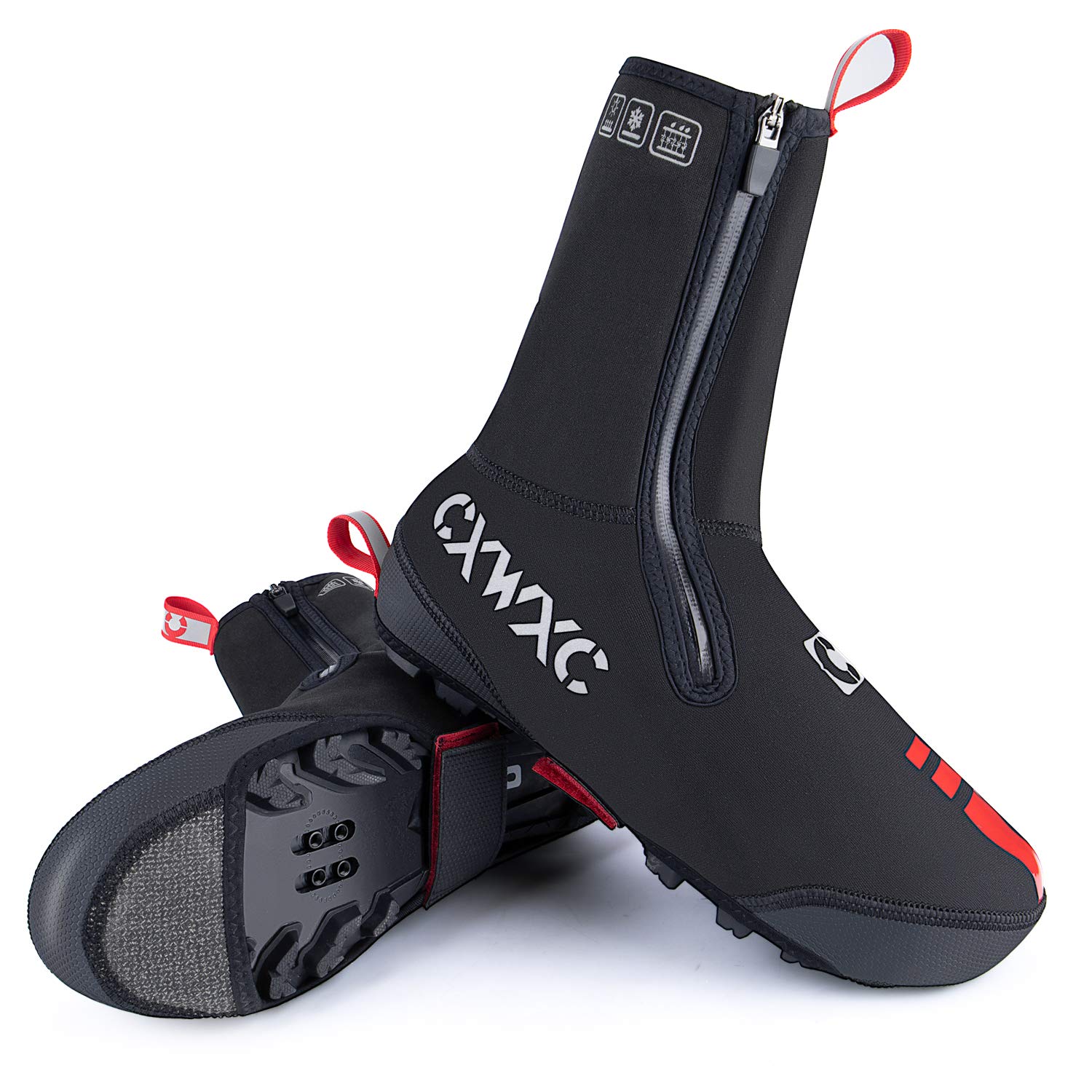
The CXWXC full overshoe stands out for its effective warmth at a budget price, making it a frequent choice among winter riders. However, the side zipper can become problematic after repeated use, and sizing leans small – riders should order up at least one size, ideally two. This pair suits short commutes in dry, cold climates where maximum warmth is the priority, but longevity is not guaranteed.

Order at least one size up, and consider two if wearing thick socks.

Bottom line: For cold-weather commuters on a budget who value warmth over long-term durability, this overshoe delivers where it counts — just be prepared to size up and handle the zipper with care.

8

CXWXC Budget Overshoes

CXWXC Budget Overshoes

Budget dry cold

Our Score 8.2/10
Check Price

Worth Noting

  • Water resistance may not hold up in steady rain, letting moisture through during wet rides.
Fit Accuracy
Tight on US10+
Warmth Level
Full coverage
Sole Protection
None
Water Resistance
Water resistant (claimed)
Read the full review

These overshoes deliver noticeable warmth for the cost and a full-coverage design. However, water resistance is inconsistent and the fit runs small, limiting them to dry conditions and smaller feet. They work as a spare pair but fall short of the weather protection expected from higher-rated budget alternatives.

Bottom line: Best reserved as an occasional backup for dry cold rides when budget is the top priority.

9

GIYO Full Overshoes

GIYO Full Overshoes

Budget dry winter

Our Score 8.2/10
Check Price

Worth Noting

  • Water resistance is poor; feet will get soaked in rain
Fit Accuracy
Runs small, size up
Warmth Level
Full, cold
Sole Protection
Kevlar sole
Water Resistance
Waterproof (claimed)
Read the full review

This full overshoe delivers solid warmth for cold, dry conditions and includes a Kevlar-reinforced sole that adds durability at the price point. Compared to the more popular budget option, the GIYO offers similar thermal performance with slightly better sole protection. The tradeoff: water resistance is minimal, so expect soaked feet in rain, and the sizing runs tight — size up generously if you wear US 11 or larger. Best for dry winter commutes or training rides where keeping warm matters more than staying dry.

Bottom line: A good pick for dry winter climates where warmth is the priority and you’re willing to accept limited rain protection.

10

HomDSim Overshoes

HomDSim Overshoes

Dry cold budget

Our Score 8.0/10
Check Price

Worth Noting

  • Water resistance can fall short in wet conditions; best reserved for dry rides.
Fit Accuracy
Inconsistent fit
Warmth Level
Full, cold
Sole Protection
None
Water Resistance
Waterproof (claimed)
Read the full review

This overshoe delivers basic wind blocking and a decent material feel for its low price. But its water resistance can be unreliable in rain, and fit sometimes runs large or small. Best treated as a spare for dry cold commutes where getting slightly damp is acceptable.

Bottom line: A usable backup for dry winter commutes on a strict budget, but not for regular wet-weather use.

11

Lipport Thermal Overshoes

Lipport Thermal Overshoes

Warm winter mild

Our Score 8.0/10
Check Price

Worth Noting

  • Limited warmth may not be enough for sub-40°F rides
Fit Accuracy
Good fit
Warmth Level
Full, mild
Sole Protection
Standard
Water Resistance
Waterproof (claimed)
Read the full review

The Lipport overshoes fit many shoe sizes well and provide decent warmth for rides in the 40°F+ range. They block light wind and occasional drizzle, but the insulation is insufficient below 40°F and water resistance is mediocre — zipper durability can also be a concern. Best for dry, mild commutes in warmer winter regions.

Bottom line: A good option for riders in warmer winter regions where temperatures stay above 40°F and rain is infrequent — not for cold or wet commutes.

How to Choose

Warmth Level: Toe Covers vs Full Overshoes

Toe covers only insulate the front of the foot and work best in 40-50°F. Full overshoes wrap the entire shoe and add insulation for temperatures below that. If you ride in sub-freezing conditions, look for fleece-lined neoprene and a tall cut that covers the ankle.

The trade-off is bulk: toe covers pack small and are easier to stow, while full overshoes provide more warmth but take up space in a jersey pocket.

Water Resistance: Marketing vs Reality

Most budget and mid-range covers use a DWR coating that wears off after a few rides. Even those with a waterproof membrane often fail at the zipper or seam. A zipperless design (like slip-on overshoes) eliminates the biggest leak point.

For reliable wet-weather protection, you need a sealed zipper or a closed design combined with a proven membrane such as Gore-Tex. Without it, expect water to seep in within 30 minutes of steady rain.

Zipper Durability: The Weakest Link

Plastic zippers on budget overshoes are prone to jamming, splitting, or breaking after a dozen uses. The repeated stress of pulling them over a shoe weakens the teeth. Water and dirt accelerate the damage.

Zipperless covers avoid this entirely but require a precise fit to slide on smoothly. If you ride frequently in wet or salty conditions, a zipperless design will outlast any zippered cover.

Fit Accuracy: Why Sizing Up is Often Necessary

Cycling shoe covers are cut aggressively narrow to reduce flapping at speed. That means a US size 12 cyclist often needs to go up two full sizes, especially with budget brands. Check the size chart closely and read reviews from riders with similar shoe shapes.

A too-tight cover restricts circulation and makes it hard to clip in. A too-loose cover flops and wears faster. Finding the right size is more important than any other spec.

Sole Protection: Kevlar vs Standard

The sole of a shoe cover takes constant abuse from pedal cleats and walking. Kevlar reinforcement adds significant lifespan, especially for riders who walk in their covers. Standard neoprene will wear through at the cleat contact point within a few months.

If you plan to use the covers for multiple seasons, prioritize Kevlar or aramid patches. For occasional use, standard soles are fine.

Frequently Asked Questions