Helmets

13 Best MIPS Bike Helmet of 2026: Fit, Ventilation, and Value

Which MIPS helmet actually fits your head shape and climate? This guide helps you choose based on fit, ventilation, and budget.

MIPS is now standard across almost every price point, but the gap between a helmet that feels right and one that is just acceptable often comes down to two factors: how well it fits your specific head shape and how much air moves through it. Many helmets claim universal fit, but riders with larger or rounder heads frequently end up with pressure points or instability.

This guide focuses on the details that separate a good helmet from a great one: adjustable fit systems that go beyond a simple dial, ventilation designs that actually pull air across your scalp, and weight figures that affect comfort on long rides. The picks here are grounded in what real-world users consistently report – not marketing claims.

Getting the fit right first makes every other feature matter more. A helmet that does not sit level and snug cannot protect you, regardless of how many vents or layers of tech it packs.

1

Smith Engage MIPS

Top Pick
Smith Engage MIPS

Mountain Biking

Our Score 9.6/10
Check Price

Worth Noting

  • Clear coat may bubble or flake on some units
Weight
~350 g
Coverage
Mountain
Fit System
VaporFit dial + visor
Ventilation
20 vents
Read the full review

The Smith Engage MIPS brings trail-ready protection with Koroyd and MIPS, extending coverage around the rear and temples beyond what a road helmet offers. Its 20 fixed vents keep airflow strong even on hot climbs, and the VaporFit dial secures the fit without pressure points. Riders who need an adjustable visor for sun or low branches will appreciate the two-position design. The main compromise is cosmetic: clear coat bubbling or flaking has been noted on some units, so it is worth inspecting upon arrival. This helmet suits mountain bikers who prioritize impact absorption and coverage over minimal weight; road-only riders who do not need a visor or extra bulk will find better options elsewhere.

Inspect the helmet upon delivery for any clear coat imperfections – Smith's warranty covers manufacturing defects if they arise.

Bottom line: Premium pricing is reasonable given Koroyd and MIPS for trail riding, but examine the clear coat finish before committing.

2

OutdoorMaster Gem MIPS

OutdoorMaster Gem MIPS

Budget Riders

Our Score 9.6/10
Check Price

Worth Noting

  • MIPS liner may shift more than premium models during use, though it meets safety standards.
Weight
399 g
Coverage
Recreational
Fit System
Dual liners + dial
Ventilation
25 vents
Read the full review

The OutdoorMaster Gem delivers MIPS protection and two removable liners for a custom fit at a price that undercuts most competitors. Its 25 vents and 399-gram weight make it suitable for recreational road or trail riding. The dual-liner system lets riders adjust snugness by swapping padding thicknesses, a feature rarely seen at this price point.

This helmet suits budget-conscious cyclists and families buying multiple helmets. The MIPS implementation uses a looser liner that can shift slightly during adjustment, but it meets safety standards and works well for casual use. Riders expecting the integrated feel of premium MIPS helmets may notice the difference.

When adjusting the fit, check that the MIPS liner sits centered under the shell for consistent protection.

Bottom line: A smart budget choice for casual cyclists who want MIPS without spending extra, as long as they don't mind a less integrated safety liner.

3

Giro Fixture II MIPS

Giro Fixture II MIPS

Commuter, Recreation

Our Score 9.4/10
Check Price

Worth Noting

  • Side straps are non-adjustable at the Y-junction, which may not align with every ear position
Weight
283 g
Coverage
Road & Trail
Fit System
Roc Loc Sport dial
Ventilation
18 vents
Read the full review

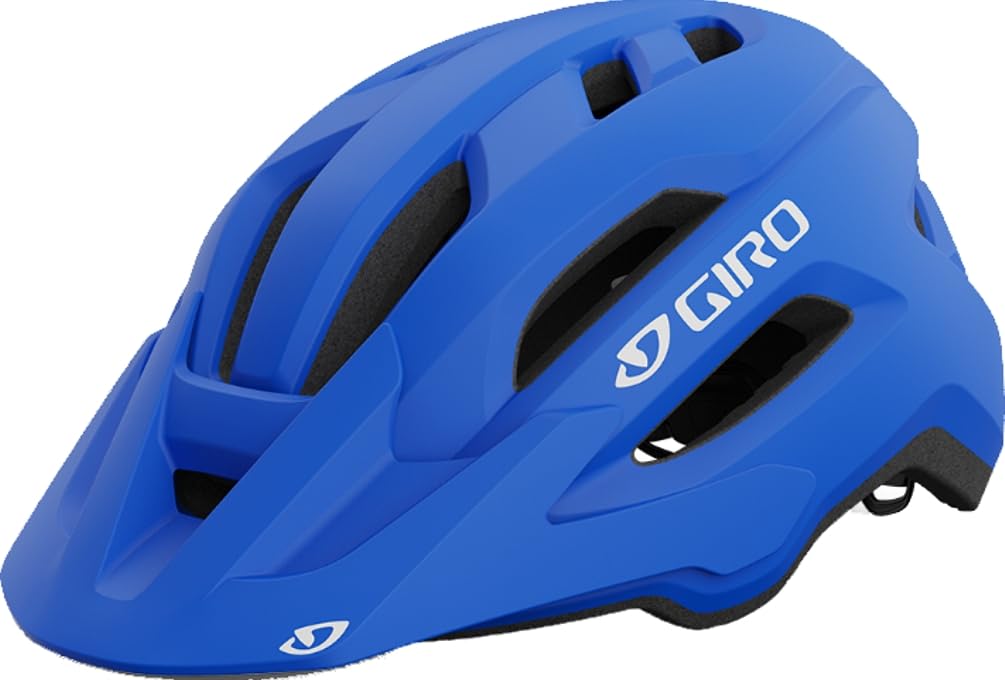
The Giro Fixture II MIPS stands out for how well it fits heads in the upper end of the size range. Its shape suits broader skulls, and the 18 Wind Tunnel vents keep airflow moving even on warm days. At 283 grams, it stays light enough for all-day rides whether you're commuting, road riding, or hitting easy trails.

This helmet is best for riders who need a spacious fit and want MIPS protection without chasing top-tier features. The tradeoff is the side straps: they are fixed at the Y-junction, so riders with very high or low ear positions may need to experiment with helmet tilt to get a comfortable strap angle. For most buyers, the dial adjuster and broad pad coverage deliver a secure, rattle-free fit.

Tilt the helmet slightly forward or back to find the best ear position — the fixed straps usually settle after a few rides.

Bottom line: Buy this if you have a larger head and want a no-nonsense MIPS helmet that balances comfort, ventilation, and cost.

4

Smith Signal MIPS

Smith Signal MIPS

Road Cycling

Our Score 9.4/10
Check Price

Worth Noting

  • Sizing runs small
Weight
300 g
Coverage
Road
Fit System
VaporFit 270° dial
Ventilation
21 vents
Read the full review

The Smith Signal MIPS uses 21 vents and AirEvac technology to redirect airflow, keeping eyewear fog-free even during hard efforts. The VaporFit dial provides a snug, comfortable hold at just 10.6 oz, making it a lightweight option for long rides.

This helmet suits road cyclists who prioritize ventilation and a precise fit. However, sizing runs small – those with larger or rounder heads may need to size up, so careful measurement is advised before purchasing.

Measure head circumference and consider sizing up if you are between sizes.

Bottom line: A strong mid-range pick for riders who value airflow and fog-free performance, as long as head size fits the measured range.

5

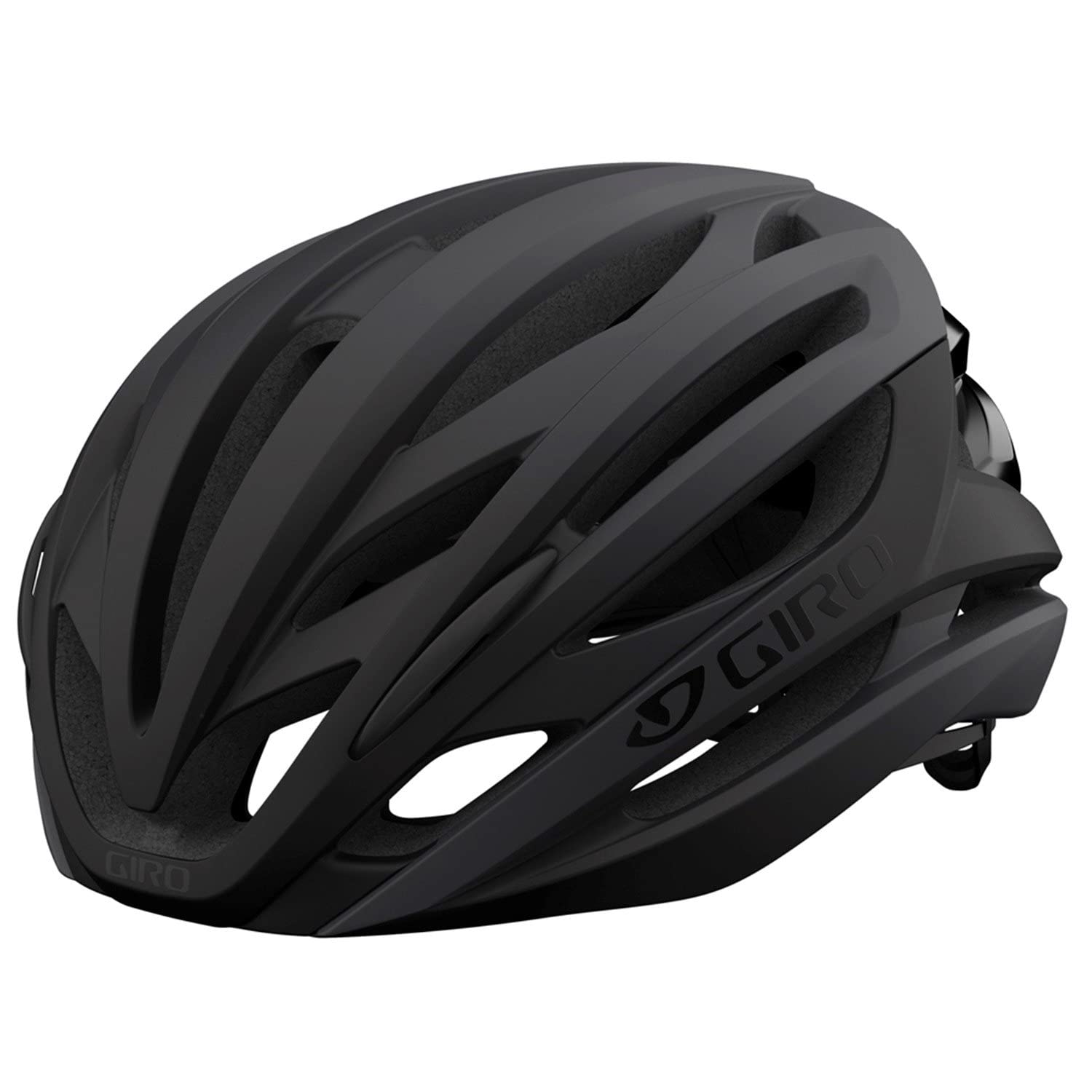
Giro Syntax MIPS

Giro Syntax MIPS

Road Cycling

Our Score 9.4/10
Check Price

Worth Noting

  • Deep fit may rest on sunglass arms
Weight
272 g
Coverage
Road
Fit System
Roc Loc 5 (tilt+ tension)
Ventilation
25 vents
Read the full review

The Giro Syntax MIPS differentiates itself from the top pick with Roc Loc 5, allowing vertical tilt and tension adjustment for a custom low-profile fit. Its 25 Wind Tunnel vents and 272 g weight make it well-suited for hot rides. This helmet is best for road cyclists who want deep coverage and don't mind a lower forehead position; those with sunglasses should check clearance before committing.

Bottom line: For road cyclists who want a deep, adjustable fit with excellent ventilation, the Syntax is a strong alternative to the top pick.

6

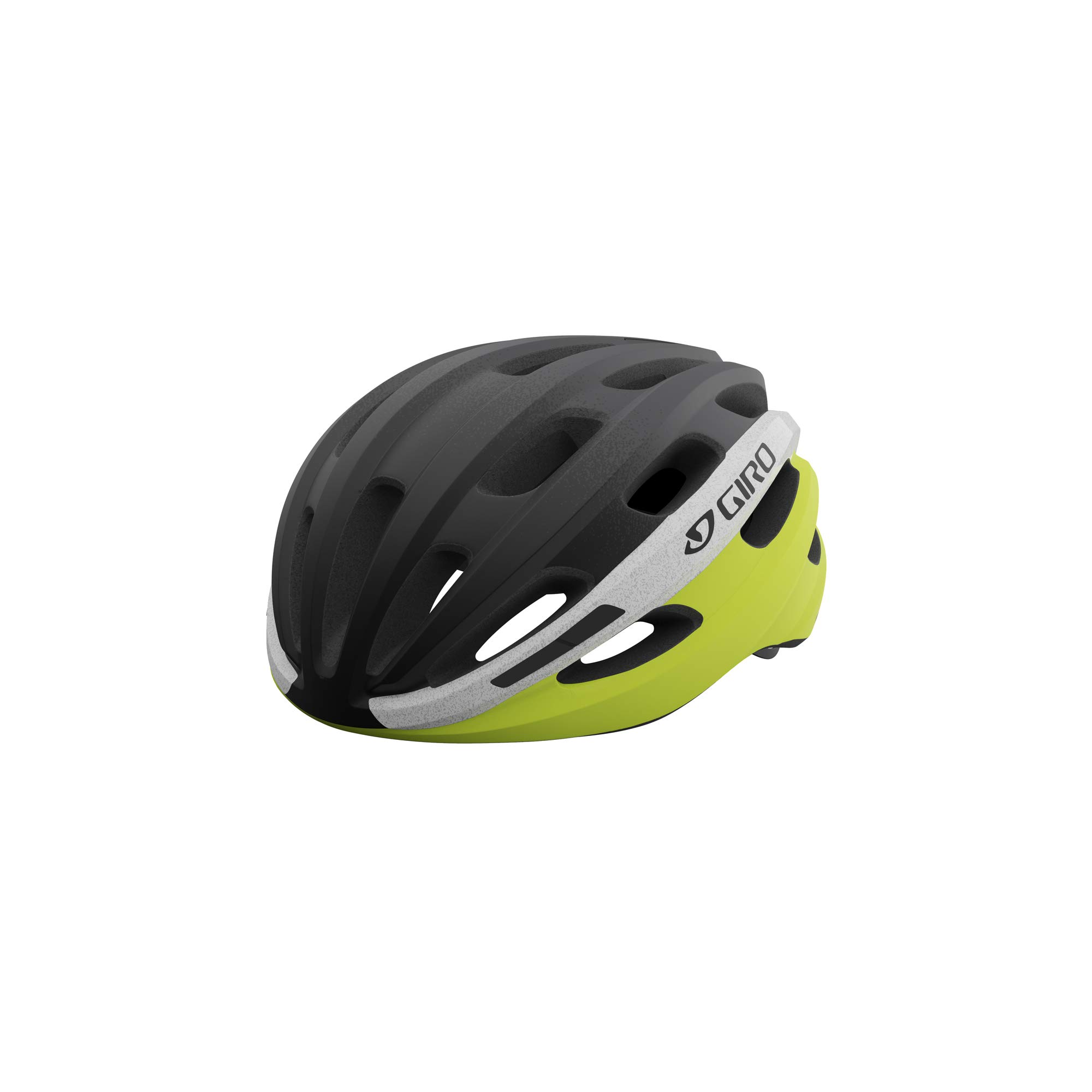
Giro Isode MIPS

Giro Isode MIPS

Climber, Commuter

Our Score 9.4/10
Check Price

Worth Noting

  • Ventilation is adequate but less airy than competitors
Weight
227 g
Coverage
Road & Commute
Fit System
Roc Loc Sport dial
Ventilation
Read the full review

The Giro Isode MIPS weighs just 8 oz – the lightest MIPS helmet in this roundup. That makes it a strong pick for weight-conscious riders on long climbs or commutes. Ventilation is adequate but not class-leading; riders in hot climates may prefer the Syntax or Signal for better airflow. The fit is secure with an easy dial, though the shape suits narrower heads.

In consistently hot conditions, consider a more ventilated helmet like the Giro Syntax for better airflow.

Bottom line: For riders who feel every gram, the Isode MIPS delivers the lightest MIPS protection without breaking the bank – just keep ventilation expectations in check.

7

Giro Register MIPS (Women's)

Giro Register MIPS (Women's)

Women, Budget

Our Score 9.4/10
Check Price

Worth Noting

  • Fixed side straps limit precise fit adjustment
Weight
635 g
Coverage
Road & Commute
Fit System
Roc Loc Sport
Ventilation
22 vents
Read the full review

Affordable MIPS protection with 22 vents that move air well during casual rides. The fixed side straps limit fine-tuning of the fit, so it works best for women with smaller heads who don't need micro-adjustment. Strap adjustability and sizing are more restricted than the Fixture II or Vasona, making this a value pick for undemanding use rather than a universal solution.

Bottom line: Grab this if you want MIPS on a tight budget and your head shape works with the limited strap adjustment. Otherwise, look at the Fixture II or Vasona for more flexible sizing.

8

Smith Persist MIPS

Smith Persist MIPS

Road Cycling

Our Score 9.4/10
Check Price

Worth Noting

  • Strap adjustment can be finicky
Weight
310 g
Coverage
Road
Fit System
VaporFit dial
Ventilation
21 vents
Read the full review

This Smith Persist keeps weight to 310g while adding Koroyd honeycomb protection and 21 vents with an AirEvac system that channels warm air away from glasses. The tradeoff: strap adjustment can be finicky, and at this premium price it competes with the lighter, similarly-featured Signal.

Bottom line: Best for road cyclists who value low weight and fog-free glasses, and don't mind a fiddly strap or paying more than the Signal.

9

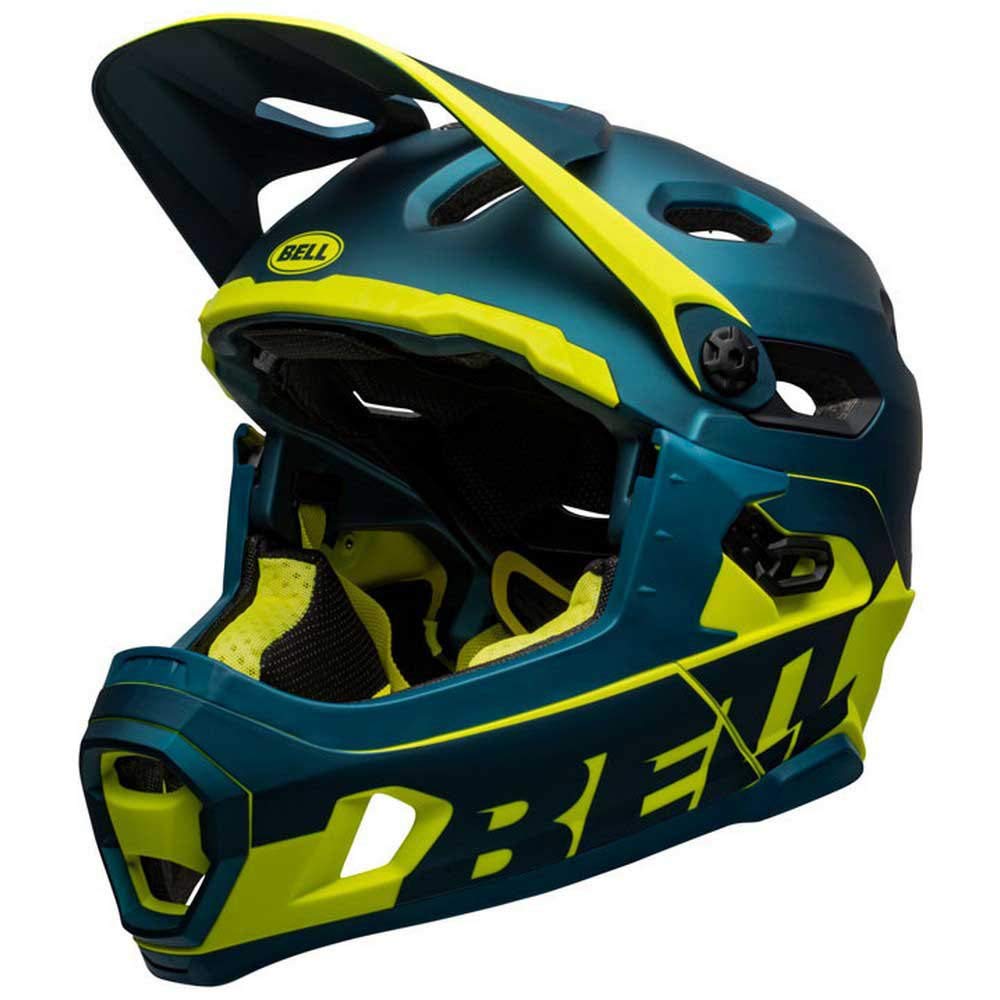
Bell Super DH MIPS

Bell Super DH MIPS

Enduro, DH

Our Score 9.4/10
Check Price

Worth Noting

  • Fit can be inconsistent
Weight
454 g
Coverage
Mountain
Fit System
Float Fit DH w/ Fidlock
Ventilation
19 vents + chin bar
Read the full review

The Bell Super DH MIPS delivers full-face protection when you need it and open-face ventilation when you don't. Its 19 vents and removable chin bar make long climbs with a heavy pack manageable. But the convertible design comes with a fit trade-off: the cheek pads can feel too tight or too loose depending on head shape, and occasional back clasp cracking has been noted. This helmet suits aggressive riders who prioritize versatility over universal fit and don't mind checking the clasp periodically.

Bottom line: Best for riders who regularly swap between climbing and descending and want one helmet to do both, as long as they can test the fit first.

10

POC Tectal Race MIPS

POC Tectal Race MIPS

Trail Riding

Our Score 9.4/10
Check Price

Worth Noting

  • Sizing runs small
Weight
380 g
Coverage
Mountain
Fit System
360° adjustment dial
Ventilation
Read the full review

The POC Tectal Race MIPS delivers deep coverage and excellent ventilation in a lightweight unibody shell reinforced with aramid bridges. Build quality is exceptional, and airflow keeps you cool on climbs. The catch is sizing: it runs small, so trying on before buying is essential. Premium pricing also limits it to riders who prioritize protection and are willing to check fit carefully.

Bottom line: Best for trail riders who can verify fit in person and value premium build over price.

11

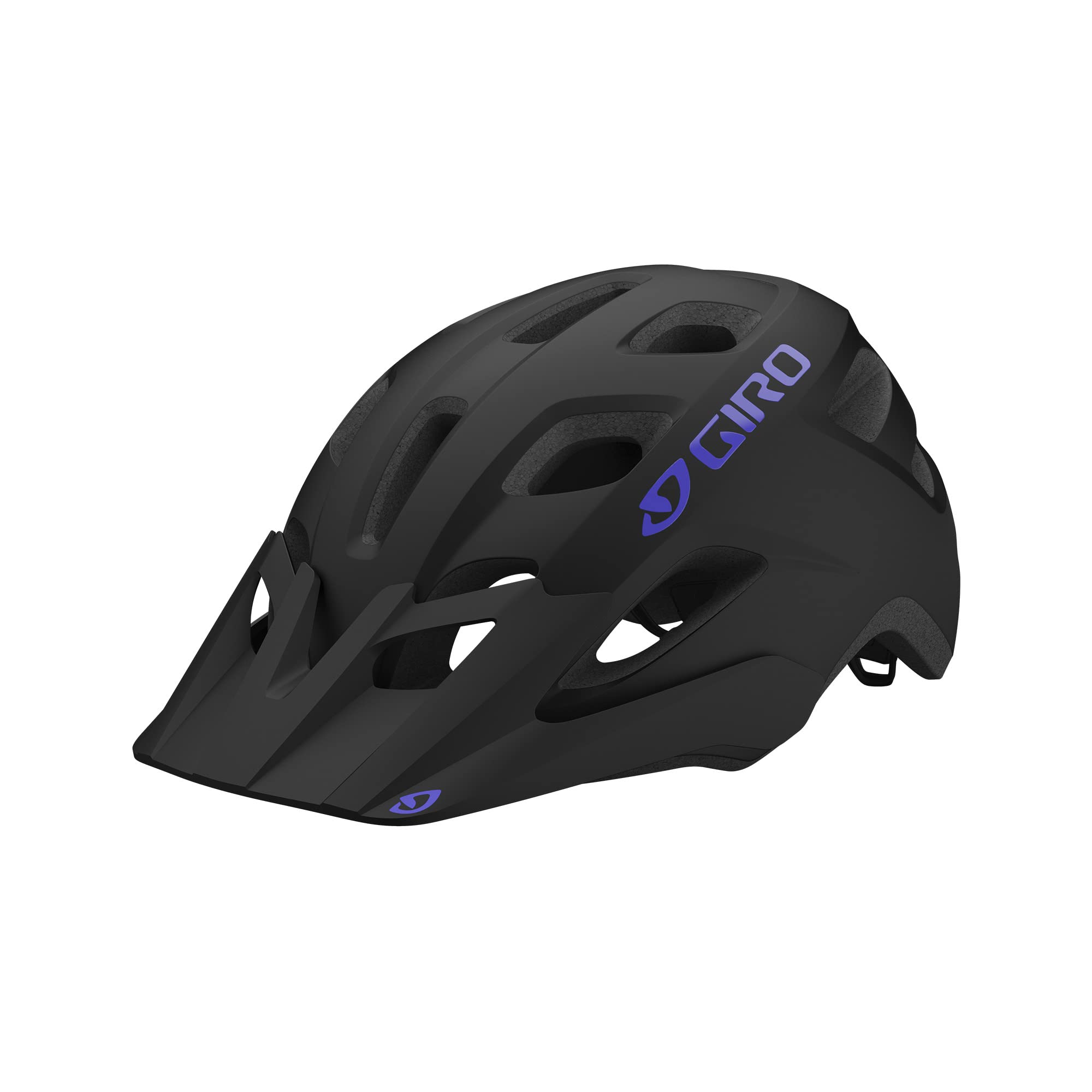
Giro Verce MIPS (Women's)

Giro Verce MIPS (Women's)

Narrow Heads

Our Score 9.4/10
Check Price

Worth Noting

  • Matte finish may peel after a few weeks of use.
Weight
680 g
Coverage
Road & Commute
Fit System
Adjustable dial
Ventilation
Read the full review

The Giro Verce MIPS is a lightweight mid-range option for women with narrow head shapes. Its narrow fit may squeeze temples for wider heads, and the matte finish can peel within a month. Try it on before buying to confirm the fit.

Bottom line: Works for women with narrow heads who prioritize weight and can verify fit in person. Not a universal pick due to fit and finish concerns.

12

Giro Register II MIPS

Giro Register II MIPS

Budget Riders

Our Score 9.2/10
Check Price

Worth Noting

  • Strap length may be too short for riders with larger head sizes
Weight
690 g
Coverage
Road & Commute
Fit System
Roc Loc Sport
Ventilation
Read the full review

The Giro Register II MIPS offers entry-level MIPS protection at a low price, with lightweight construction and decent ventilation. It shares similarities with the top-pick Fixture II but the fit is less accommodating for larger heads and the strap length may be too short for some. Best suited for new cyclists with average head sizes who want affordable safety.

Bottom line: A solid entry-level option for new riders on a tight budget who have an average head shape. Those with larger heads or who prefer more adjustability should consider the Fixture II.

13

Giro Vasona MIPS (Women's)

Giro Vasona MIPS (Women's)

Small Heads

Our Score 9.2/10
Check Price

Worth Noting

  • Only fits heads up to 57 cm; may be too snug for larger sizes
Weight
658 g
Coverage
Road & Commute
Fit System
Adjustable dial
Ventilation
Read the full review

The Giro Vasona MIPS comes in at an entry-level price with a lightweight build, adjustable fit, and dedicated ponytail space. Its compact shape only accommodates heads up to 57 cm, so it works best for women with smaller heads or teens moving into adult sizes. Riders with average or larger head sizes should look elsewhere.

Bottom line: A solid choice for small-headed riders after an affordable MIPS helmet, but measure your head circumference to confirm the 50–57 cm range works for you.

How to Choose

MIPS Integration

Most helmets now include MIPS, but some add Koroyd for increased energy management. MIPS is a slip-plane system that reduces rotational forces during angled impacts. Koroyd's tubular honeycomb structure crushes to absorb linear impact energy that MIPS alone may not fully address.

For riders tackling technical trails or racing, the combination offers broader protection. For casual commuters, standard MIPS provides a solid safety baseline. The added Koroyd layer does increase cost slightly, so consider your typical riding risks.

Ventilation

More vents generally mean better airflow, but the design of internal channeling matters as much as the count. Helmets with 20 or more vents and deep channels allow air to flow across your scalp and exit at the back, creating a cooling convection effect.

In hot climates, a well-ventilated helmet can mean the difference between a comfortable ride and a sweaty ordeal. For cold-weather riders, fewer vents trap heat better. Look for channeling that matches your typical temperature range.

Fit System

A simple dial adjusts circumference, but more advanced systems also allow fore-aft tilt adjustment (like Giro's Roc Loc 5). This tilt fine-tunes how the helmet sits on your head, especially important for road cyclists who lean forward into an aero position.

Mountain bikers may prefer a straightforward dial because visors and goggles add complexity. The key is that the helmet should feel stable without pressure points. Try adjusting the dial while wearing the helmet to ensure the mechanism is smooth and secure.

Weight

Every extra ounce on your head is leveraged against your neck over hours of riding. A 300-gram helmet like the Smith Signal feels noticeably lighter than a 400-gram budget model. For climbers and all-day endurance riders, weight should be a priority.

However, ultralight helmets sometimes sacrifice coverage or ventilation. A 227-gram helmet like the Giro Isode is ideal for hill climbs, but may not offer the deep rear protection needed for trail riding. Match weight to your ride duration and riding style.

Coverage

Road helmets are streamlined for aerodynamics and ventilation, with coverage that typically ends at the back of the head. Mountain helmets extend deeper around the temples and occipital area to protect against rocks and tree branches.

Using a road helmet for rough trail riding leaves the back of your head exposed. Conversely, a mountain helmet on smooth roads adds unnecessary bulk and may interfere with a road bike's aero position. Choose coverage based on the terrain you ride most.

Frequently Asked Questions