Cycling Apparel

8 Best Mountain Bike Chest Protector 2026: Jersey Fit & Protection

Find a chest protector that fits under your jersey, stays put on technical trails, and doesn't break your budget. For trail and enduro riders who need real protection without the bulk.

Many chest protectors labeled for mountain biking are actually motocross hand-me-downs — heavy, hot, and designed for a seated position, not pedaling. The real challenge is finding one that fits under a jersey, breathes during climbs, and still offers real chest and back protection when you crash.

The best protectors for mountain bikers share a few traits: they disappear under a jersey, they let air move, and they have a track record of preventing broken ribs — not just a low price tag. Sizing is the most common pitfall; ordering based on chest measurement rather than shirt size often makes the difference between a piece you wear and one that stays in the garage.

This guide cuts through the cross-listing confusion by focusing on what actually matters on the trail: lightweight design, adjustable fit, and proven crash performance over marketing specs.

1

Alpinestars A-6

Top Pick
Alpinestars A-6

Competitive racers

Our Score 9.6/10
Check Price

Worth Noting

  • Limited independent user feedback requires a leap of faith at this premium price.
  • Heavier than many alternatives at 3.37 lbs, reducing airflow and comfort on long climbs.
Coverage Area
Chest, back, shoulders
Strap Durability
Sturdy construction
Adjustability & Fit
Hook & loop, V-strap
Weight & Ventilation
3.37 lbs, not specified
Read the full review

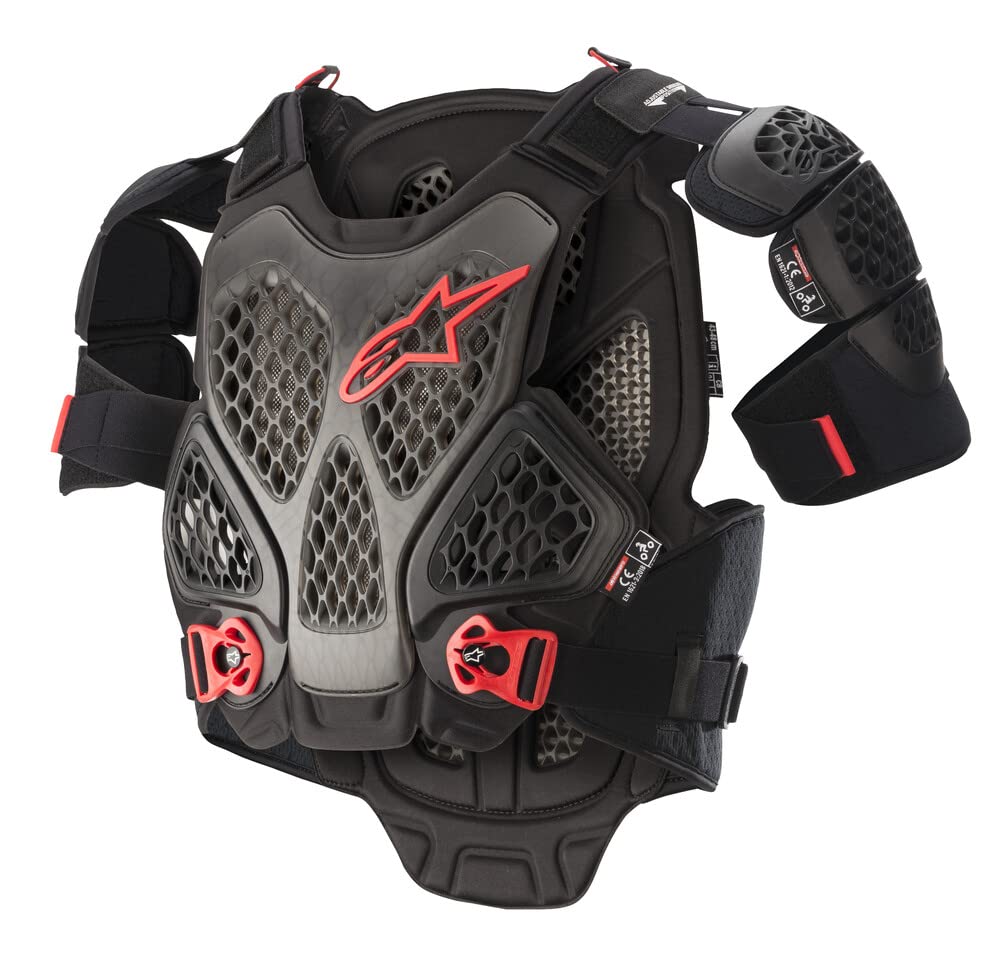
The Alpinestars A-6 delivers the highest certified impact protection in this lineup, with CE Level 2 back and chest armor and removable shoulder protectors on adjustable V-straps. That certification comes at a weight of 3.37 lbs, making it heavier than the top-pick Leatt 3.5. Riders who prioritize certified protection over weight and airflow will find a well-constructed option, though limited independent feedback makes it a leap of faith at this premium price point.

Bottom line: Best for riders who demand top-tier certified protection and are willing to trade weight and user validation for CE Level 2 coverage.

2

Leatt 3.5

Leatt 3.5

Serious enduro riders

Our Score 9.4/10
Check Price

Worth Noting

  • Lower back coverage may be too short for taller riders; verify fit if lumbar protection is a priority.
Coverage Area
Chest, back, limited lower back
Strap Durability
Robust build quality
Adjustability & Fit
BraceOn, adjustable straps
Weight & Ventilation
1.65 lbs, ventilated slots
Read the full review

The Leatt 3.5 uses 3DF AirFit foam that combines impact absorption with airflow channels, keeping the weight under 1.7 lbs. Riders report that the soft foam conforms to the body and stays cool even on long climbs, and the BraceOn system clicks into most neck braces without extra straps.

Crash reports consistently describe the protector absorbing rock strikes and preventing rib fractures — one rider noted it saved him from a broken rib after a hard landing. The fit is close enough that users say they forget they’re wearing it under a jersey, though the lower back panel runs shorter than some competitors.

This is for enduro and trail riders who want certified-level protection in a package that breathes and moves. If you’re over 6 feet or need full lumbar coverage, check that the back plate extends past your belt line — the 3.5 prioritizes upper body mobility over lower spine length.

For riders over average height, check that the back panel extends to your lumbar spine before committing.

Bottom line: A premium-priced protector that delivers on protection and comfort for aggressive trail riding — best for riders who prioritize breathability and neck brace compatibility.

3

Leatt 1.5

Leatt 1.5

Trail riders

Our Score 9.4/10
Check Price

Worth Noting

  • Back protection lacks CE certification
  • Side and rib coverage is limited, leaving those areas exposed.
Coverage Area
Chest, back, no ribs
Strap Durability
Good quality
Adjustability & Fit
BraceOn, hook & loop
Weight & Ventilation
1 lb, removable plates
Read the full review

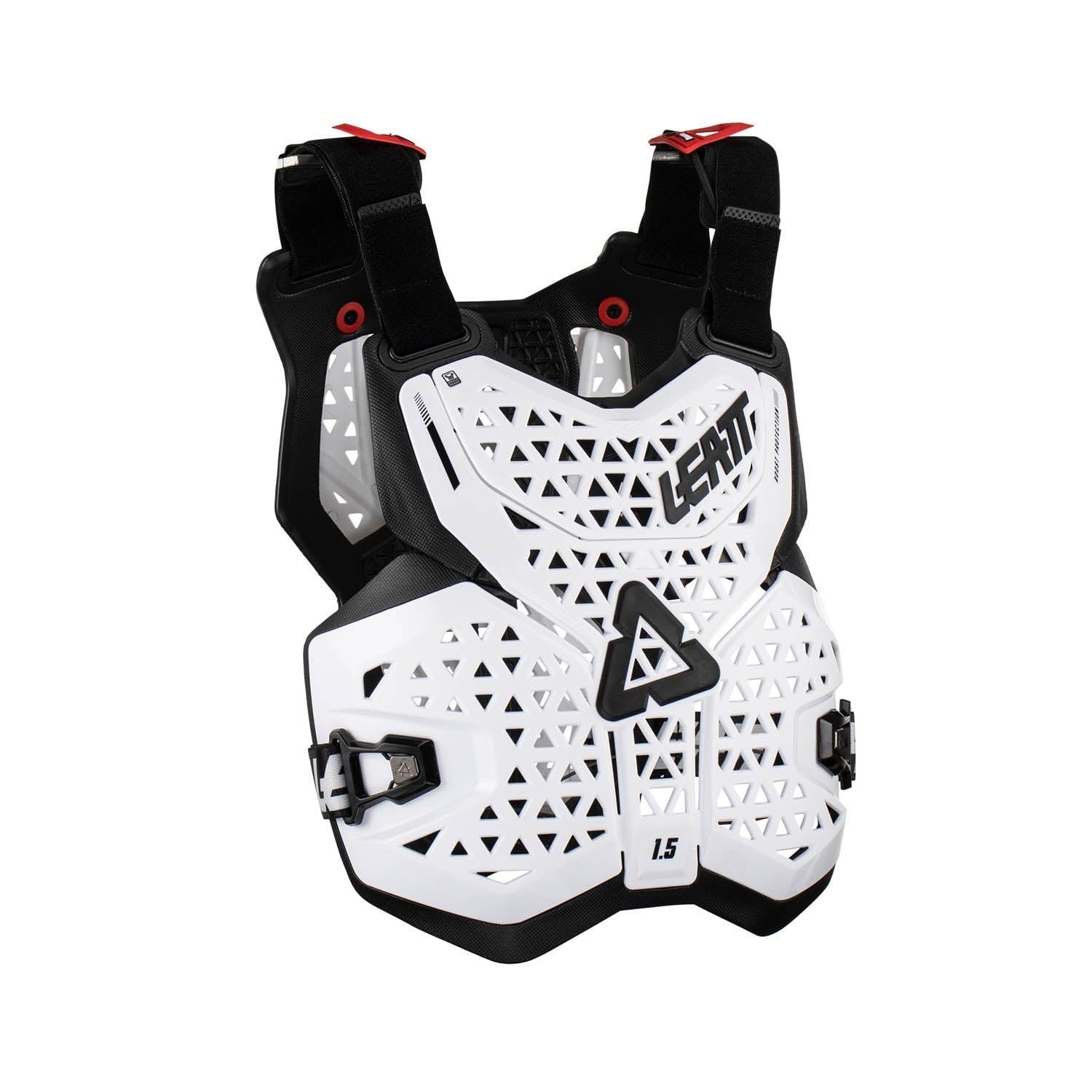
The Leatt 1.5 offers effective chest and back impact protection in a lightweight 16-ounce package that stays comfortable all day. While it lacks the advanced 3DF foam of the top-tier Leatt 3.5, the standard foam plates have protected riders from rib injuries in crashes. This protector is ideal for trail riders who want a cost-effective option without sacrificing core protection. Note that back coverage is not CE-certified, and side/rib protection is minimal — this suits riders who prioritize a slim, under-jersey fit over full-wrap coverage.

Bottom line: A solid mid-range choice for trail riders who need dependably chest and back protection without the premium cost — just be aware of the coverage gaps.

4

Webetop Protector

Webetop Protector

Light trail use

Our Score 8.8/10
Check Price

Worth Noting

  • Side rib coverage is limited
Coverage Area
Chest, back, limited ribs
Strap Durability
Good for price
Adjustability & Fit
Hook & loop, adj. shoulders/waist
Weight & Ventilation
1.2 lbs, honeycomb breathable
Read the full review

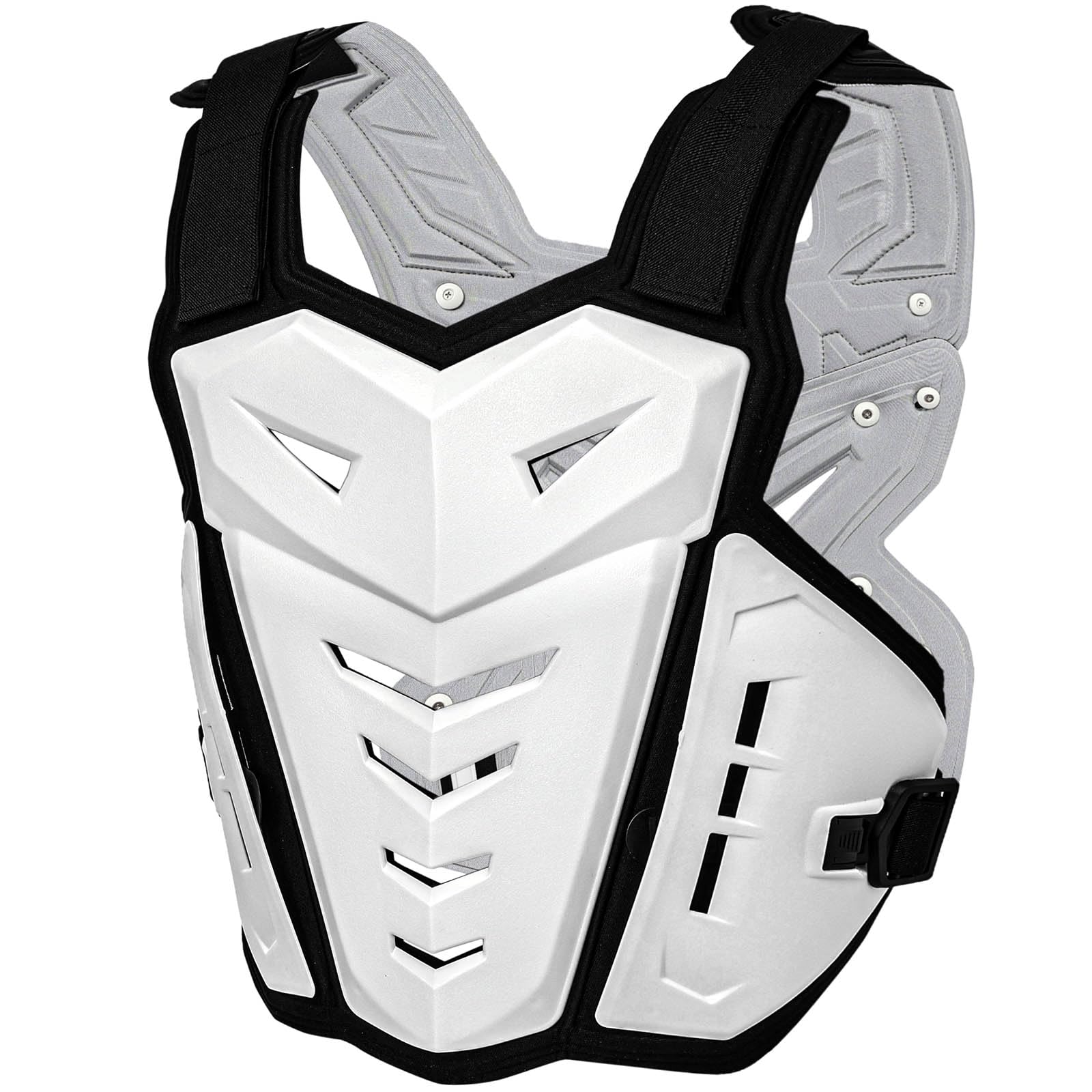
The Webetop's honeycomb shell weighs only 1.2 pounds and provides comfortable chest and back impact protection for light trail use. The fit runs small though — most riders will need to order a size larger — and side rib coverage is minimal, making this best for average-sized riders who do not require full torso armor.

Order one size larger than your usual — the sizing runs small.

Bottom line: A cost-effective choice for casual mountain bikers who prioritize light weight and breathability over full side protection.

5

DA Youth Armor

DA Youth Armor

Youth riders

Our Score 8.8/10
Check Price

Worth Noting

  • Back length may run short for taller teenagers; sizing up can help but does not extend the torso coverage.
Coverage Area
Chest, back, short back
Strap Durability
Adequate for youth
Adjustability & Fit
Elastic waist, detach straps
Weight & Ventilation
Mesh lining, weight N/A
Read the full review

The DA Youth Armor wraps growing riders in PE armor plates backed by mesh lining that breathes during trail rides. It is designed for children and young teens, with an elastic waistband and detachable shoulder straps that adjust to a range of frames. Back coverage is intentionally short — riders over about 5'4'' may find the torso length insufficient, so this protector is best kept for the intended youth segment.

Measure your child's torso from collarbone to waist and compare to product dimensions to confirm coverage.

Bottom line: For parents looking to equip a young rider (roughly 8–14) with chest and back protection at a reasonable price, this armor fits the bill — just verify torso length before ordering.

6

RIDBIKER Vest

RIDBIKER Vest

Occasional riders

Our Score 8.4/10
Check Price

Worth Noting

  • Material feels cheap and may not hold up under repeated falls
Coverage Area
Strap Durability
Prone to break
Adjustability & Fit
Buckle closure
Weight & Ventilation
1.39 lbs
Read the full review

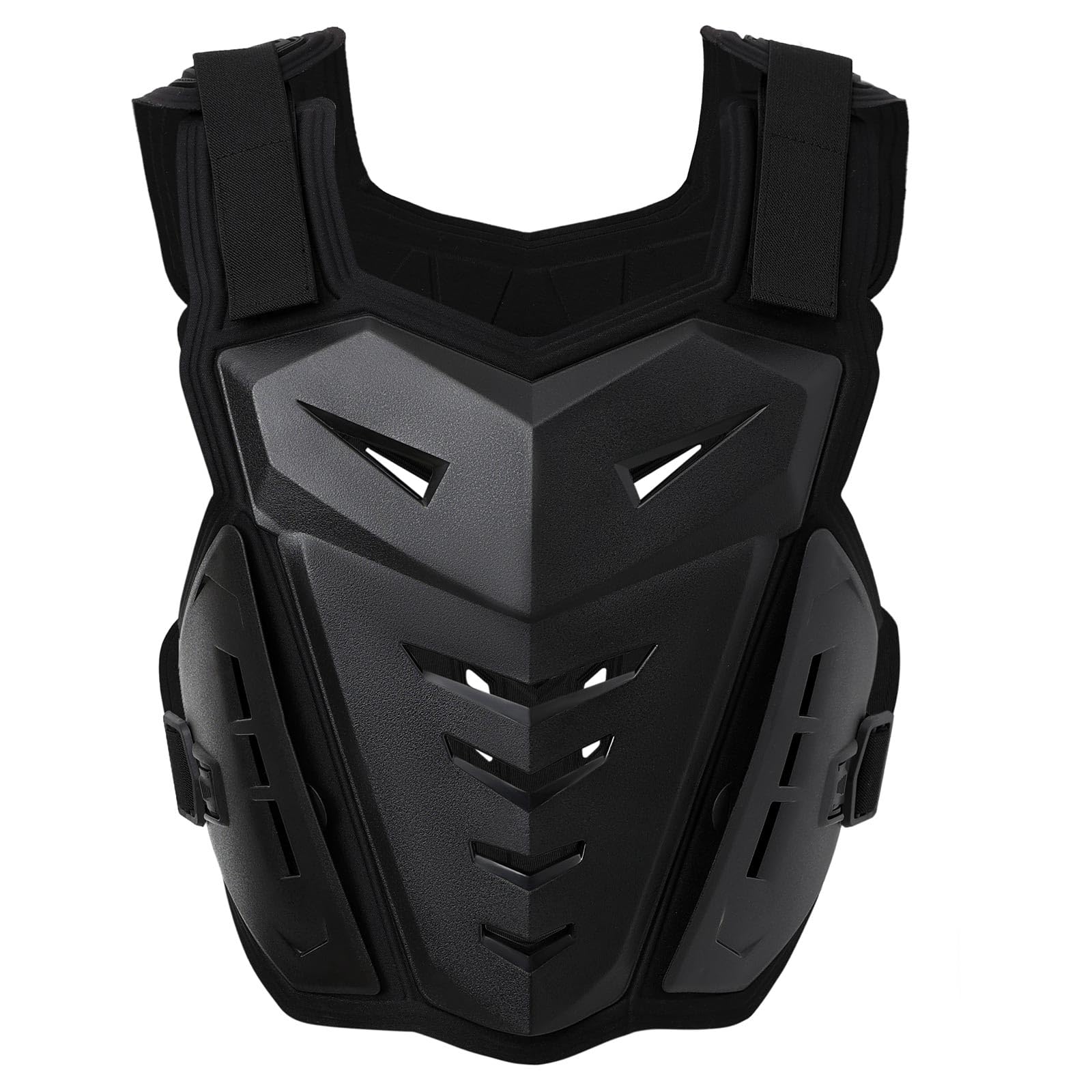
The RIDBIKER Vest offers decent chest and back protection for light trail riding at a budget-friendly price. However, the strap clips can break after a few rides, making it a short-term solution for frequent riders. This suits occasional riders or first-time buyers who want to test body armor without a big investment.

Bottom line: Best for occasional riders who need basic protection on a tight budget and want to test whether they like wearing body armor before investing more.

7

CALOPET Armor

CALOPET Armor

Small riders

Our Score 8.4/10
Check Price

Worth Noting

  • Fit can be too loose for smaller riders, reducing security during active movement.
Coverage Area
Strap Durability
Questionable
Adjustability & Fit
Elastic bands
Weight & Ventilation
~1 lb, elastic bands
Read the full review

This vest provides good ventilation and adequate chest protection for low-speed urban use. Its elastic band closure keeps weight low, making it easy to layer under a jersey. Strap durability can be a concern with regular use, and the fit works best for smaller riders who don't need a tight, secure feel. Riders seeking a more locked-in fit for aggressive riding will find better options in the honeycomb-panel protector in this guide.

Bottom line: For light commuting and casual trails, this vest delivers ventilation and basic chest coverage at a low price, but its fit and strap durability limit it for serious off-road use.

8

PETA Vest

PETA Vest
Our Score 8.2/10
Check Price

Worth Noting

  • Straps and buckles may fail with regular use, limiting longevity
Read the full review

This budget vest offers decent fit and impact protection for low-speed trail or costume use. Strap and buckle durability is a noted limitation, and sparse product information reduces trust — best suited for occasional, low-stakes riding.

Bottom line: Best for ultra-budget buyers who need basic protection for occasional low-speed or costume use, not for regular trail riding.

How to Choose

Protection Certification

Certification standards like CE Level 2 or EN14021 indicate the impact energy the foam can absorb. Level 2 means the protector passes stricter tests for chest and back impacts. Without certification, you are relying on the brand's own claims — which may not match real-world falls.

If you ride aggressive enduro or downhill, seek certified protection. For cross-country or flow trails, a well-reviewed non-certified model like the Leatt 3.5 (3DF foam) can still save ribs, but the margin is thinner.

Coverage Area

Most protectors cover the chest and upper back, but many leave the ribs and lower back exposed. A rock or tree strike to the ribs at speed can break bones even through a jersey. If you frequent tight tree-lined trails or rocky terrain, prioritize a protector with extended side panels or integrated rib guards.

The trade-off is weight and breathability: full rib coverage adds material and reduces airflow. For open trails or bike parks, standard coverage is sufficient.

Weight & Ventilation

Every ounce matters when climbing. A protector over 2 lbs will feel heavy after an hour of pedaling. Ventilation slots or honeycomb designs allow airflow to wick sweat, while closed-cell foam traps heat. On hot days, a poorly ventilated protector can lead to overheating.

Lightweight models around 1–1.5 lbs with large vent holes or mesh panels are ideal for all-day trail riding. Heavier protectors (3+ lbs) are better suited for downhill shuttling where pedaling time is minimal.

Adjustability & Fit

A chest protector that shifts or rides up during a crash is worse than none. Look for hook-and-loop waist straps, adjustable shoulder heights, and a snug fit that stays in place when you lean forward. Neck brace compatibility (BraceOn systems) adds an extra level of integration for enduro riders.

The most common fit mistake is assuming your shirt size correlates with protector size. Always measure your chest circumference and compare to the size chart. Many protectors run small — size up if between sizes.

Strap & Closure Durability

Plastic buckles and thin elastic straps are the first failure points on budget protectors. A broken strap mid-ride leaves you without protection or forces you to ride one-handed. Hook-and-loop closures with reinforced stitching hold up far longer than snap-in buckles.

Check user reports for strap breakage before buying. If you ride weekly, invest in a model with metal-reinforced buckles or a full wrap-around closure system.

Frequently Asked Questions