Components

9 Best Mountain Bike Crankset 2026: Match Interface & Riding Style

Which mountain bike crankset fits your frame, bottom bracket, and riding style? Avoid compatibility confusion with these proven picks.

The hardest part of buying a mountain bike crankset isn't the price — it's figuring out which one actually fits your frame. Between square taper, DUB, Hollowtech II, and PowerSpline, the interface alone can make or break a build. Add in chainline requirements for Boost or SuperBoost+ hubs, and what looks like a simple swap turns into a parts puzzle.

This guide cuts through the confusion by focusing on cranksets that work in real-world conditions. It highlights the compatibility details that matter: spindle standards, chainring options, and whether you can replace worn chainrings or need to buy the whole assembly again. Whether you're rebuilding an old 8-speed triple or upgrading to modern 12-speed 1x, knowing the interface and chainline up front prevents headaches and returns.

1

SRAM NX Eagle DUB

Top Pick
SRAM NX Eagle DUB

Trail 12-speed

Our Score 9.4/10
Check Price

Worth Noting

  • Incompatible with SuperBoost+ frames that need a specific chainline
Speed
12-speed
Interface
DUB
Arm Length
175mm
Chainring Config
32t X-SYNC 2 steel
Read the full review

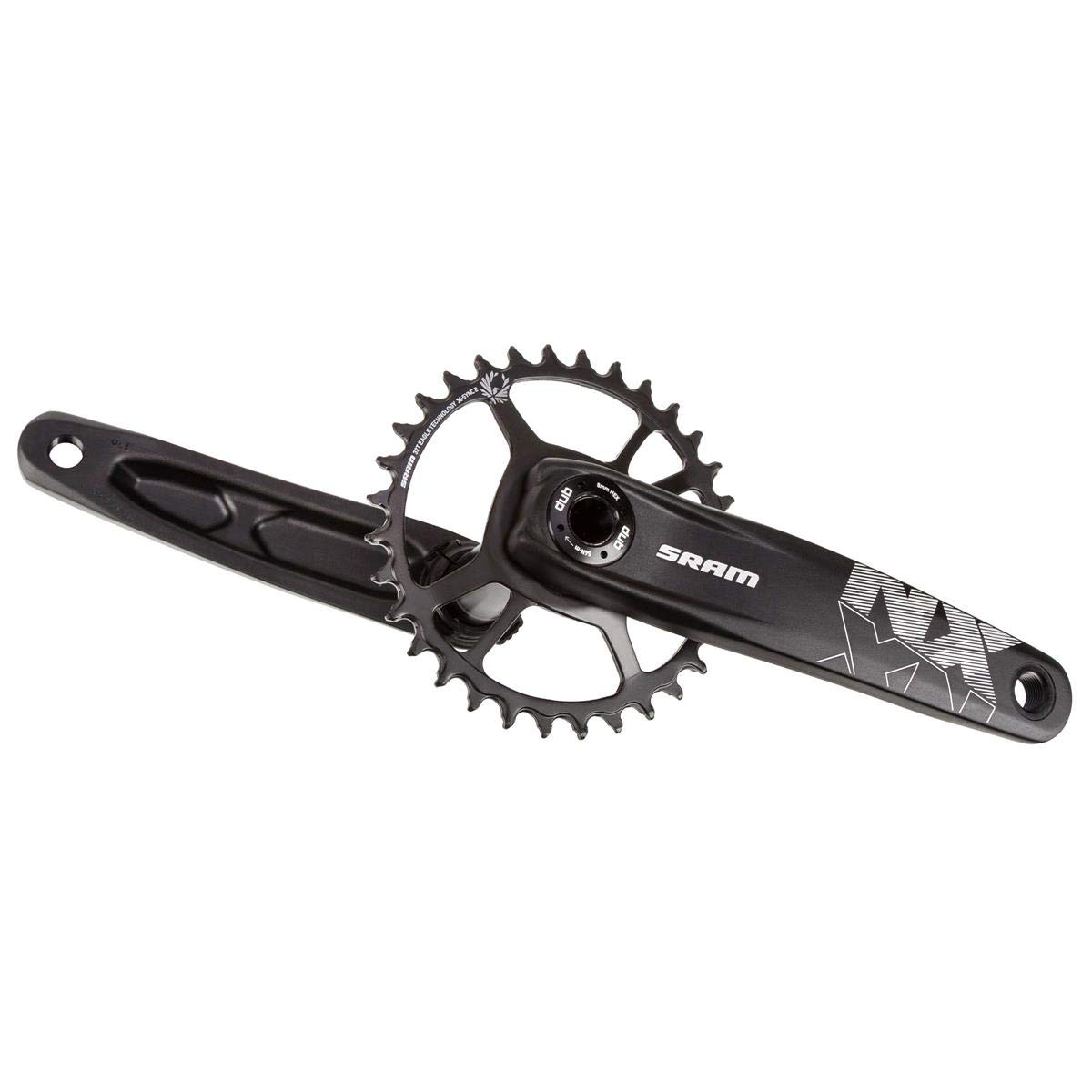
The NX Eagle DUB uses the same spindle technology as SRAM's GX line, delivering a smooth bottom bracket interface at a more accessible price. The steel X-SYNC 2 ring holds up well on rocky terrain, though long-term durability data is less extensive than more established models. This crankset suits trail and all-mountain builds with standard 135/142mm hubs; SuperBoost+ frames require a different chainline.

Check your frame's rear hub spacing – this crankset is designed for 135/142mm only.

Bottom line: A smart mid-range upgrade for riders moving from square taper to modern DUB, as long as chainline fits standard hubs.

2

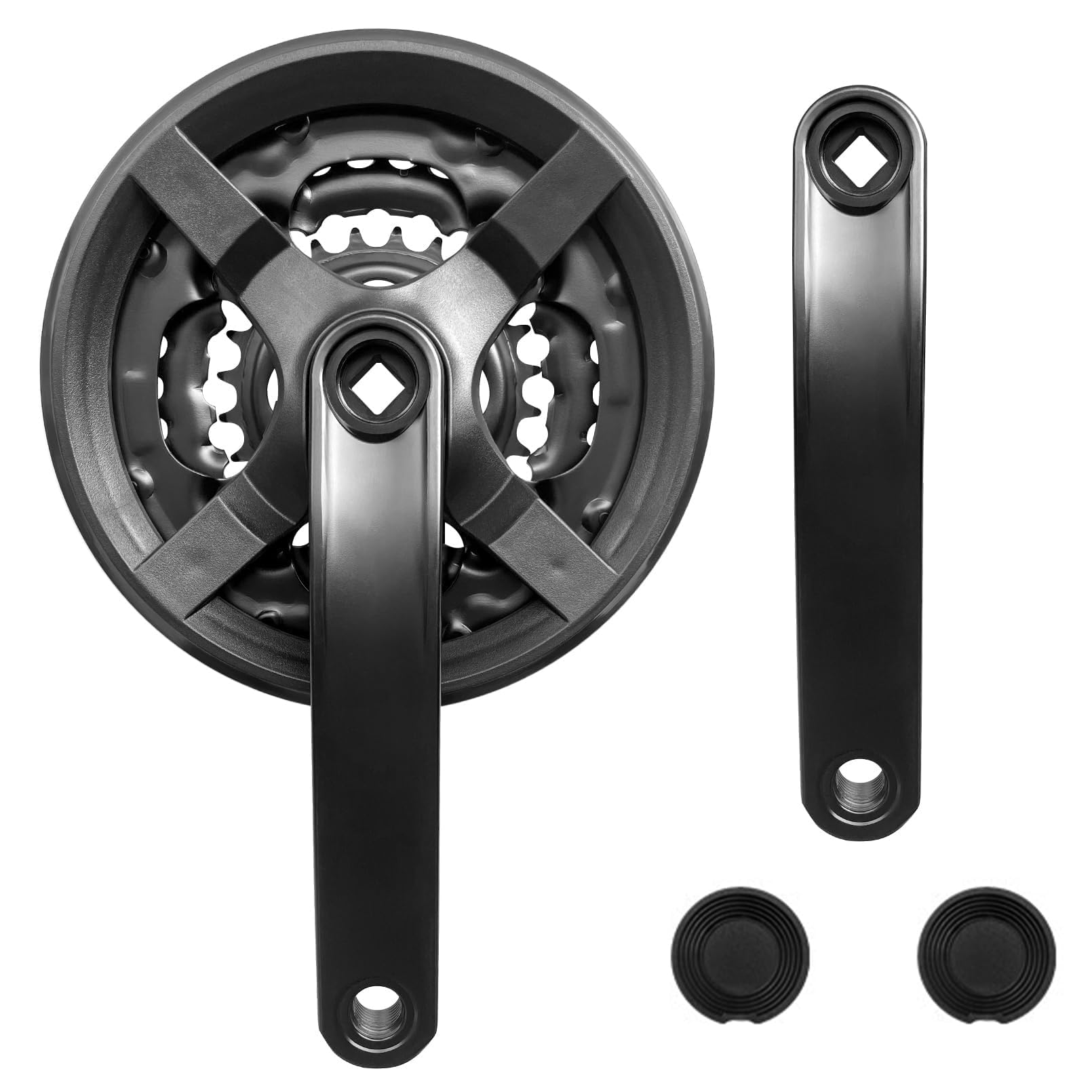
WEEROCK 42T 1x Crank

WEEROCK 42T 1x Crank

Casual 1x conversions

Our Score 9.4/10
Check Price

Worth Noting

  • Fitment can be off on some bikes, requiring chainline adjustment.
Speed
6-11 speed
Interface
Square taper
Arm Length
170mm
Chainring Config
42t narrow-wide
Read the full review

This crankset offers a large 42T chainring for higher gearing on flat terrain, making it a cost-effective option for 1x conversions on gravel and casual mountain bikes. Fitment may vary on some frames, requiring chainline adjustment or additional spacers. Best suited for riders who specifically want a 42T ring for faster rolling rather than technical climbing, though its low review volume means long-term durability under heavy use is less documented.

Bottom line: Good for flat gravel and casual trail rides where a large front ring is preferred, but verify frame clearance before buying.

3

Shimano Altus M311

Shimano Altus M311

Entry-level replacement

Our Score 9.2/10
Check Price

Worth Noting

  • Chainrings are riveted to the arm
  • Pedal threads can strip if pedals are overtightened
Speed
7/8-speed
Interface
Square taper
Arm Length
175mm
Chainring Config
42/32/22t riveted
Read the full review

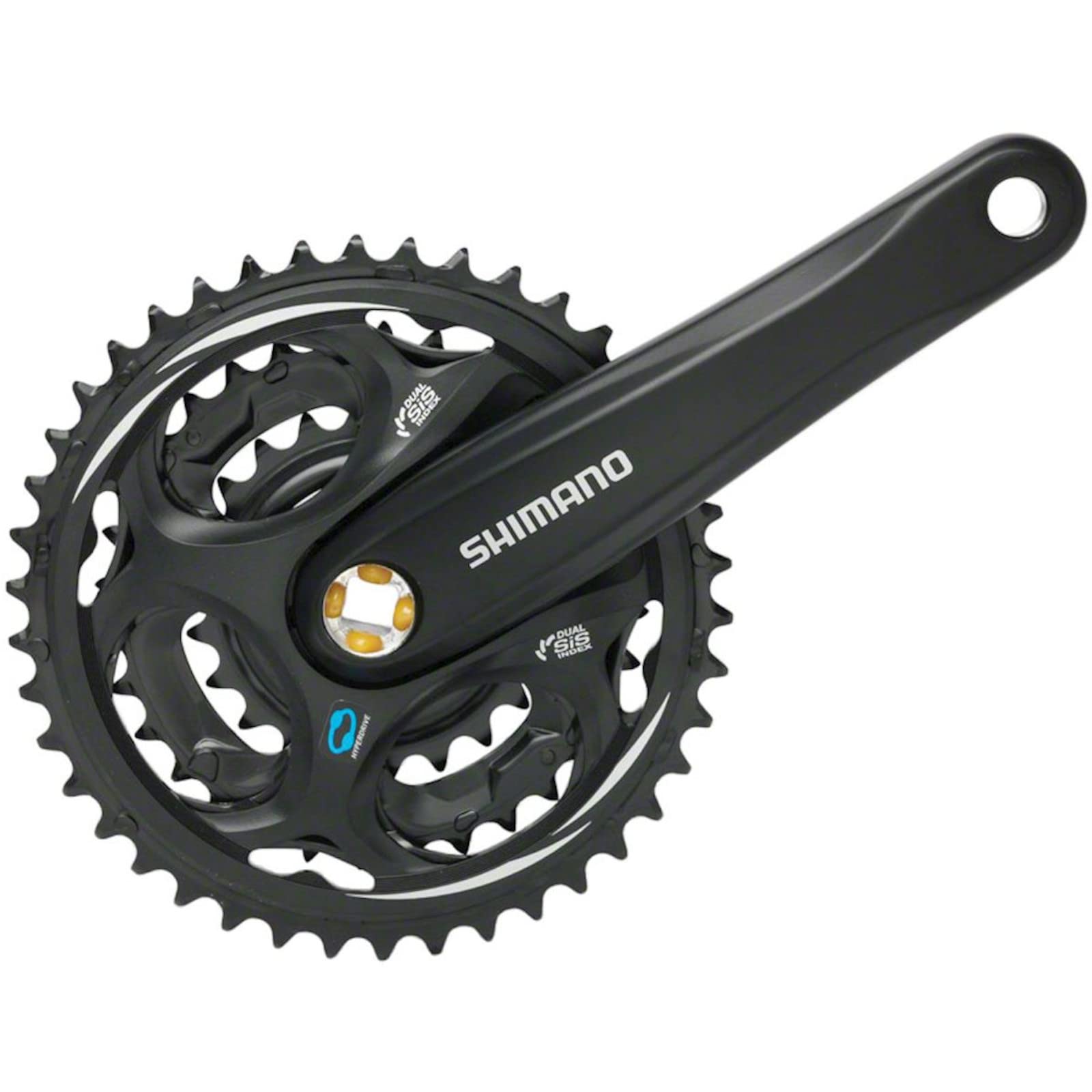
The Altus M311 slides onto a standard square-taper bottom bracket with no fuss — a direct OEM replacement for countless entry-level mountain bikes and hybrids. The aluminum arms and steel chainrings hold up well under normal trail and pavement use, and at this price point, the build quality punches above its class.

This crankset suits first-time replacements, fleet bikes, and commuters who want a dependable triple without ongoing maintenance. The tradeoff: chainrings are riveted onto the crank arm, so when they wear the whole unit must be replaced. Also, pedal threads can strip if overtightened — attentive installation avoids the issue.

Torque pedals to manufacturer specification — overtightening can strip threads on some units.

Bottom line: For casual trail riders, commuters, and fleet managers who want a functional triple at the lowest possible cost, this Shimano crankset delivers exactly that — no more, no less.

4

Shimano Deore M6130 12S

Shimano Deore M6130 12S

Shimano 12-speed

Our Score 9.2/10
Check Price

Worth Noting

  • Long-term durability under heavy trail use is less certain than for more popular models.
Speed
12-speed
Interface
Hollowtech II
Arm Length
175mm
Chainring Config
32t direct mount
Read the full review

The Deore M6130 brings Hollowtech II stiffness and smooth bearing interface to Shimano's 12-speed lineup at a mid-range price. For riders building a trail bike around a Shimano drivetrain, this crankset offers similar function to pricier XT/SLX options without the premium. The direct-mount 32t chainring suits aggressive trail riding and climbing. However, long-term durability data is limited due to the relatively small number of riders who have put extensive miles on this model, so heavy users may want to consider more established alternatives.

Bottom line: A practical 12-speed crankset for Shimano loyalists on a budget, but those who prioritize extensive user feedback may prefer a model with a larger rider base.

5

Cyclon 1x Square Taper

Cyclon 1x Square Taper

Budget 1x town

Our Score 9.2/10
Check Price

Worth Noting

  • In builds that see consistent wet or gritty conditions, the crank arm finish may develop paint cracks over time
Speed
Interface
Square taper
Arm Length
170mm
Chainring Config
Narrow-wide (multi)
Read the full review

For the price, you get a lightweight aluminum square taper crank with a proper narrow-wide chainring. The finish on the crank arm may show paint cracking over extended use, which is a minor compromise. This is best for budget 1x builds where durability demands are moderate, not for heavy trail riding.

Bottom line: For a low-budget 1x conversion on a town bike or gravel rig, this crankset delivers everything needed at a price that's hard to beat. If you need long-term cosmetic durability, look at higher-priced options.

6

SRAM S600 8-Speed Triple

SRAM S600 8-Speed Triple

Budget 8-speed triple

Our Score 8.8/10
Check Price

Worth Noting

  • Weight is higher than some alloy cranks
  • Chainline alignment may vary depending on bottom bracket spindle length
Speed
8-speed
Interface
Square taper
Arm Length
175mm
Chainring Config
42/32/22t steel
Read the full review

The SRAM S600 stands out from budget triple options like the Altus because its outer chainrings are replaceable — you can swap a worn 42t ring instead of replacing the whole crankset. This forged alloy arm runs on a standard 113mm square taper bottom bracket, making it a direct fit for many older Kona and Trek mountain bikes. The shifting is smooth with a properly adjusted derailleur. The tradeoff is some fitment variability: not every 113mm spindle aligns perfectly, so checking your bottom bracket length beforehand helps. At roughly 900g, it’s heavier than premium alloy cranks, but that’s typical for the price tier. This is a solid choice for budget 8-speed replacements and vintage MTB restorations where long-term part availability matters more than weight savings.

Measure your bottom bracket spindle length before purchase to avoid alignment issues.

Bottom line: Best for budget-conscious riders who need a durable 8-speed triple with replaceable rings and don't mind a little extra weight.

7

BNVB 170mm 1x Crank Set

BNVB 170mm 1x Crank Set

Budget 1x conversion

Our Score 8.8/10
Check Price

Worth Noting

  • Left crank arm may loosen during rides
Speed
Interface
Square taper
Arm Length
170mm
Chainring Config
Read the full review

Everything needed for a 1x conversion arrives in one box: crank arms, bottom bracket, chainring bolts, and spacers. Build quality and bearing smoothness exceed expectations at this price point, and installation goes smoothly with the included hardware. The set works well for casual trail riding and commuting on older mountain bikes, though the left crank arm may loosen over time and requires periodic torque checks. This isn’t suited for aggressive downhill use, but for budget conversions it delivers a complete drop-in solution without separate parts hunting.

Check left crank arm torque after the first few rides and periodically thereafter to prevent loosening.

Bottom line: This set suits wallet-conscious 1x conversions on older MTBs if you’re comfortable checking crank arm tightness after initial rides.

8

Relwears TY301 Triple

Relwears TY301 Triple

Ultra-budget replacement

Our Score 8.6/10
Check Price

Worth Noting

  • Long-term durability under regular off-road use is not established
Speed
6/7/8-speed
Interface
Square taper
Arm Length
170mm
Chainring Config
42/34/24t aluminum
Read the full review

This crankset delivers functional triple gearing at a low cost, suitable for older 6/7/8-speed mountain bikes on a tight budget. It works as expected for basic replacement needs. However, long-term durability beyond light use is uncertain, so reserve for low-demand builds or emergency replacements.

Bottom line: If your budget is extremely tight and you need a functional triple crankset for a casual rider or low-mileage bike, this crankset gets the job done without breaking the bank.

9

Shimano Zee 1x10

Shimano Zee 1x10

Downhill 1x10

Our Score 0.0/10
Check Price

Worth Noting

  • Chainline offset may create noise and wear if the included spacers are not used precisely.
Speed
10-speed
Interface
Hollowtech II
Arm Length
Chainring Config
1x 104mm BCD
Read the full review

The Shimano Zee crankset delivers downhill-grade toughness and a ready-to-install package that includes the Hollowtech II bottom bracket. Its forged arms and 104mm BCD chainring shrug off rocky landings and hard pedal loads, making it a cost-effective alternative to pricier gravity-focused options. The catch is the offset chainline: it demands correct spacer placement during installation — without that, chain noise and accelerated wear can appear. This suits riders building a dedicated 1x10 enduro or DH rig on a budget, but the setup extra step and niche 10-speed focus limit its appeal for general mountain biking or those looking to step up to 12-speed.

Bottom line: Best suited for gravity riders who want a tough 1x10 crankset without paying Saint prices and are comfortable dialing in spacer placement for clean chainline operation.

How to Choose

Interface Type

Square taper is the oldest standard, found on budget and older bikes. It works fine for casual riding but requires precise torque to avoid creaking and loosening. Modern systems like SRAM's DUB and Shimano's Hollowtech II use larger spindles and splined interfaces, which improve stiffness and reduce maintenance. The trade-off: you must match the exact interface to your bottom bracket shell (BSA, PF, etc.) and spindle length.

If you're rebuilding a vintage frame, stick with square taper for simplicity. For a modern trail bike, DUB or Hollowtech II offer better power transfer and fewer creaks.

Speed Compatibility

Cranksets are designed for a specific number of rear cogs (speed) because the chain width changes. A 12-speed chain is narrower than an 8-speed chain, so a 12-speed chainring won't shift properly on an 8-speed drivetrain and vice versa. However, many 1x cranksets with narrow-wide rings are speed-agnostic for single-ring setups across 6-12 speeds, provided the chain fits the ring.

If you plan to keep your existing drivetrain, match the crankset's speed rating. If converting to 1x, look for a 'narrow-wide' ring that works with your chain's speed.

Chainring Configuration

Triple chainrings (e.g., 42/32/22) provide wide gear range for climbing and speed, but add weight and complexity. Double rings are rare on MTBs now. Single rings (1x) dominate modern trail bikes: they simplify shifting, reduce chain drops, and lower weight. The choice depends on terrain and preference. For steep climbs with heavy loads, a triple may still be preferable; for most trail riding, 1x with a wide-range cassette is simpler.

Beware of riveted chainrings on budget triples: once the rings wear, you must replace the entire crankset. Replaceable rings cost more upfront but save money long-term.

Chainline

Chainline is the distance from the bike's centerline to the middle of the chainring. Standard MTB chainline is 49mm for 135/142mm rear hubs, Boost is 52mm for 148mm hubs, and SuperBoost+ is 56.5mm for 157mm hubs. Using the wrong chainline causes poor shifting, chain rub, and accelerated wear. Most modern cranksets specify the chainline; older square-taper cranks are usually 47.5-50mm depending on bottom bracket spindle length.

Measure your rear hub spacing (135mm, 148mm, 157mm) and choose a crankset with the matching chainline. If in doubt, a 49mm crankset fits most non-Boost frames.

Crank Arm Length

Common lengths are 170mm and 175mm. Longer arms provide more leverage for climbing but can cause pedal strikes on rough terrain. Shorter arms reduce foot-to-ground clearance issues and help high-cadence spinning. For riders under 5'8', 170mm is often recommended; for taller riders, 175mm is standard. Frame geometry also matters: low-bottom-bracket bikes benefit from shorter arms.

Most budget cranksets come in 170mm or 175mm. If you're unsure, 170mm is a safe middle ground for general trail riding.

Frequently Asked Questions