Bikes

9 Best 20 Inch Kids Bike of 2026: Safe Stops & Real Durability

Find a 20-inch kids bike with brakes that actually work and a frame that lasts – without the safety risks common in this category.

Many 20-inch kids bikes boast impressive features like disc brakes and 21 speeds, but the real test comes when your child needs to stop. Poor brake setup is the most common failure point, even on popular models. This guide focuses on the bikes that get the basics right: reliable brakes, proper sizing, and enough durability for real riding.

The trade-off is often between flashy specs and everyday dependability. A single-speed with a coaster brake might not look exciting, but for a 5- to 8-year-old learning to ride, it is often safer and easier to use than a poorly adjusted geared bike. We have sorted through the options to highlight the models that balance simplicity, safety, and value.

1

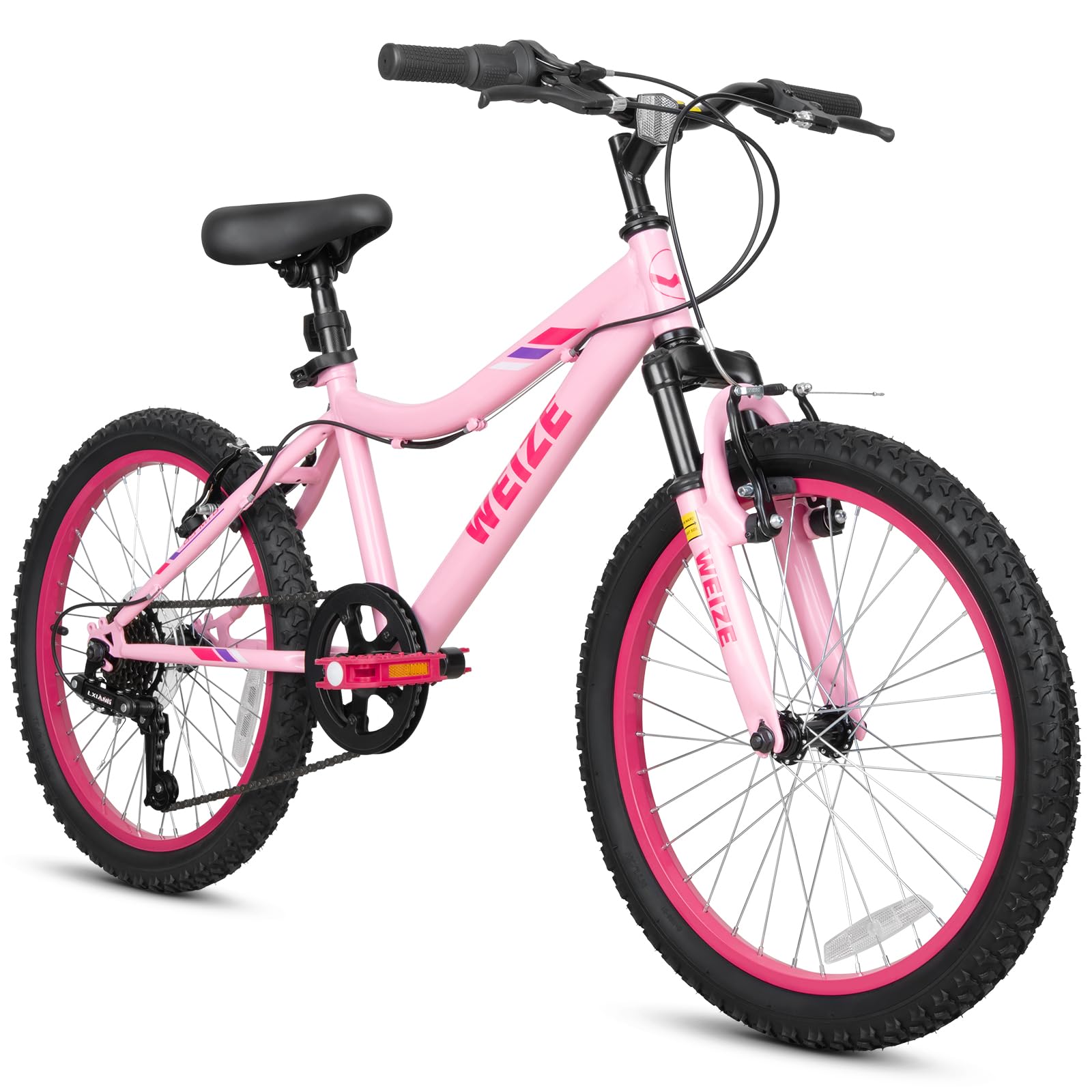
WEIZE Girls Cruiser

Top Pick
WEIZE Girls Cruiser

Girls cruiser

Our Score 9.2/10
Check Price

Worth Noting

  • Brake adjustment may be needed after unboxing
  • Sizing runs slightly small; children near the top of the 20-inch wheel height range may find the bike cramped.
Brake Type
V-brake
Drivetrain
Single-speed
Pre-Assembled
85%
Frame Material
Carbon Steel
Read the full review

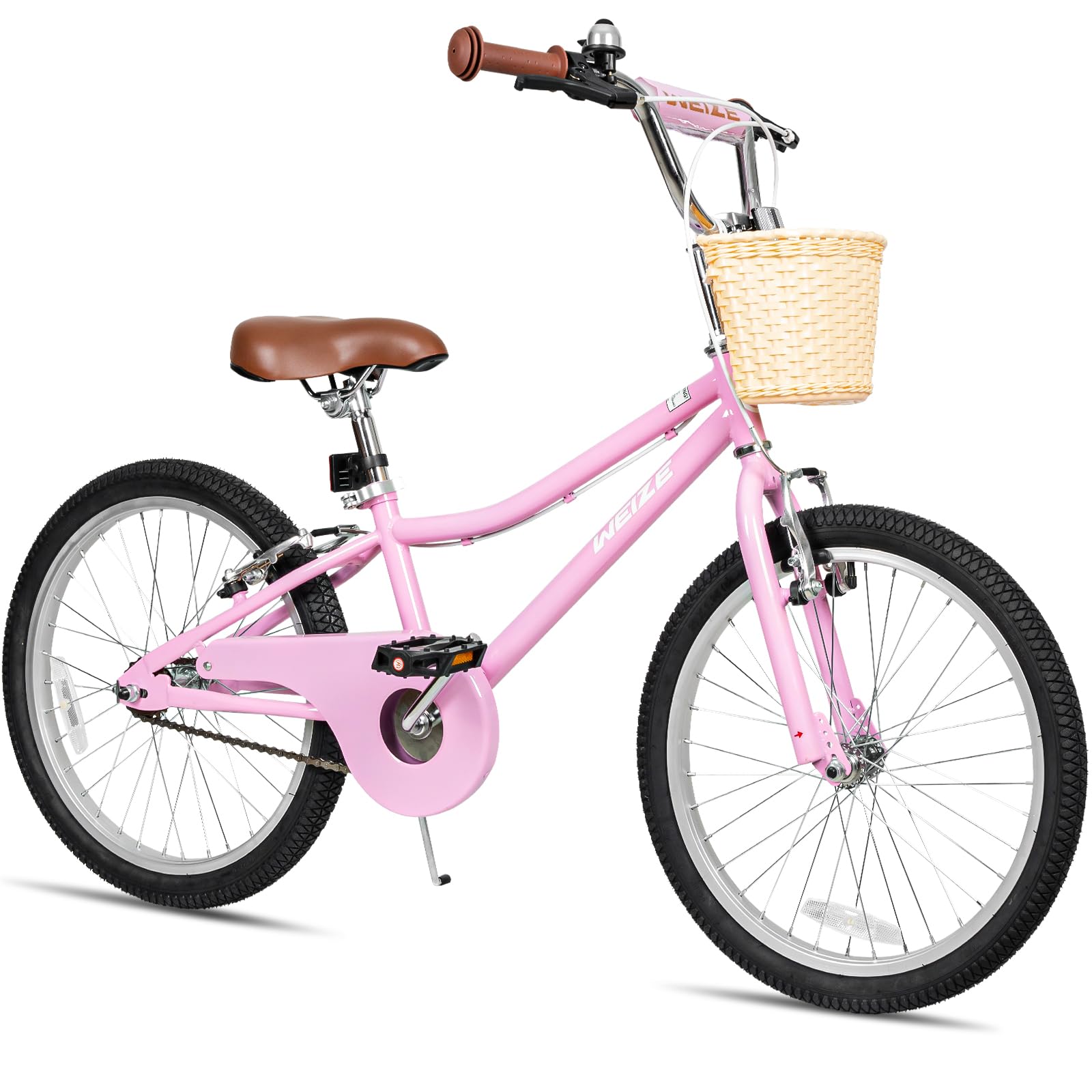
The WEIZE Girls Cruiser stands out with its classic pink-and-white look, complete with a front basket and bell – a design that draws immediate smiles from young riders. Assembly is simple, with most of the bike pre-assembled, and the single-speed drivetrain keeps things straightforward for beginners. Build quality is generally good for the price, with a carbon steel frame that feels solid enough for neighborhood pavement riding.

This bike is best suited for girls ages 6 to 9 who ride mostly on flat pavement around the neighborhood. Brake quality can vary between units, so checking cable tension and pad alignment after assembly is recommended. Additionally, the bike runs slightly small – children at the taller end of the 20-inch wheel range may find the fit tight, so it's wise to size down within the recommended range. The included basket and bell add to the charm, but the bike is not intended for hills or longer rides due to the single-speed drivetrain.

Check brake cable tension and pad alignment after assembly to ensure reliable stopping power.

Bottom line: A good pick for a young child's first stylish cruiser, provided you budget time for brake adjustments and confirm the fit.

2

WEIZE Kids Basic

WEIZE Kids Basic

First-time riders

Our Score 9.0/10
Check Price

Worth Noting

  • Brake adjustment instructions in the manual can be unclear for some setups.
  • Over time, brake cable tension and tire pressure may need occasional attention.
Brake Type
Coaster + Handbrake
Drivetrain
Single-speed
Pre-Assembled
Frame Material
Carbon Steel
Read the full review

The WEIZE kids bike pairs a coaster brake (pedal backward to stop) with a handbrake, giving new riders a familiar stopping motion and a backup as they grow. The single-speed drivetrain keeps pedaling simple, while the low standover height lets small feet touch the ground easily. The steel frame feels solid for the price, and the bike rolls smoothly on paved paths and packed dirt.

Assembly is straightforward for most — the handlebars, seat, and front wheel attach with basic tools. The brake cable routing in the manual could be clearer; a short video lookup solves it if the handbrake feels loose. Some buyers have noted that brake cables and tires may need tightening or inflation after a few months of regular use, but those are minor upkeep tasks rather than dealbreakers.

This bike suits first-time riders aged 5–10 moving up from a balance bike, fitting heights from 41 to 62 inches. It is not built for off-road trails or kids who want gears — the rigid frame and single speed are best for neighborhood rides, sidewalks, and bike-path cruising. The coaster brake teaches intuitive stopping, and the handbrake gives room to learn hand control later. Budget-priced, with no suspension or extra features to complicate things.

If the handbrake feels loose after assembly, check the cable tension adjustment at the caliper – the manual skips that step.

Bottom line: For parents wanting a safe, no-fuss first bike that teaches the basics, the WEIZE gets the fundamentals right at a budget price.

3

cubsala Echo BMX

cubsala Echo BMX

BMX beginners

Our Score 9.0/10
Check Price

Worth Noting

  • Single-speed gearing limits riding to flat terrain or gentle slopes; not suited for hills.
  • Under repeated hard impacts (jumps, tricks), component longevity may be lower than on higher-priced BMX models.
Brake Type
Rear U-brake
Drivetrain
Single-speed
Pre-Assembled
85%
Frame Material
High Tensile Steel
Read the full review

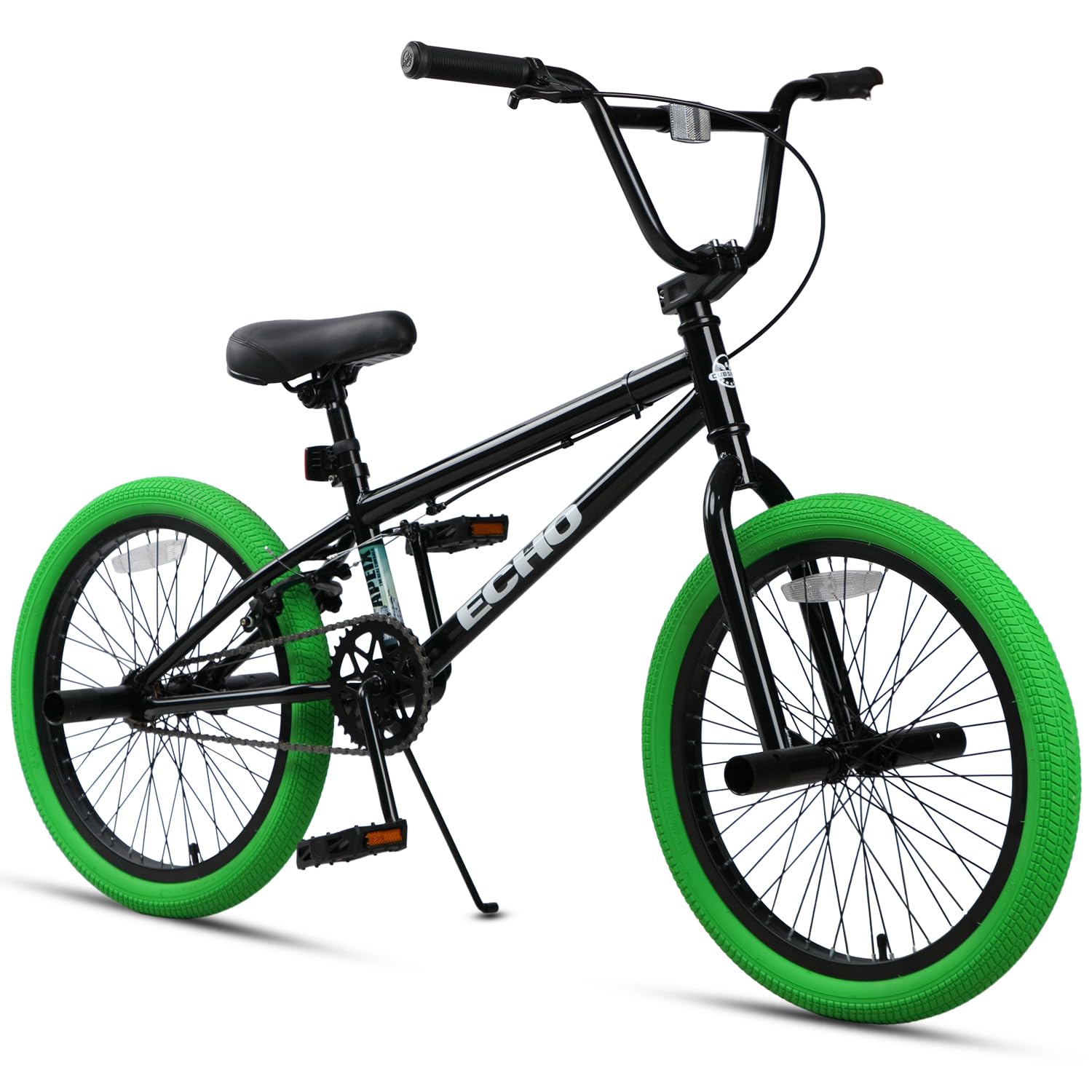
The cubsala Echo stands out from basic first bikes by offering a high-tensile steel BMX frame, four integrated pegs, and a rear U-brake — features typically found on bikes costing twice as much. Assembly is straightforward thanks to 85% pre-assembly and the chain already installed. This setup gives young riders the ability to practice basic tricks and ride on skatepark concrete right out of the box, all at a mid-range price.

Targeted at kids aged 8 to 12 who want a real BMX experience without the $400 price point, the Echo handles flat pavement and light skatepark use well. The single-speed drivetrain keeps things simple but means hills require a push, and hard landings may stress components more than on premium builds. The high-tensile steel frame feels sturdier than many budget alternatives, and the BMX geometry encourages confident riding. The rear U-brake provides decent stopping power, though it’s not designed for wet conditions. It’s a capable starter for those not expecting all-day trail riding or general-purpose versatility.

Bottom line: For kids who want the look and feel of a real BMX without the $400 price tag, the cubsala Echo delivers a solid starter experience on flat pavement and skateparks.

4

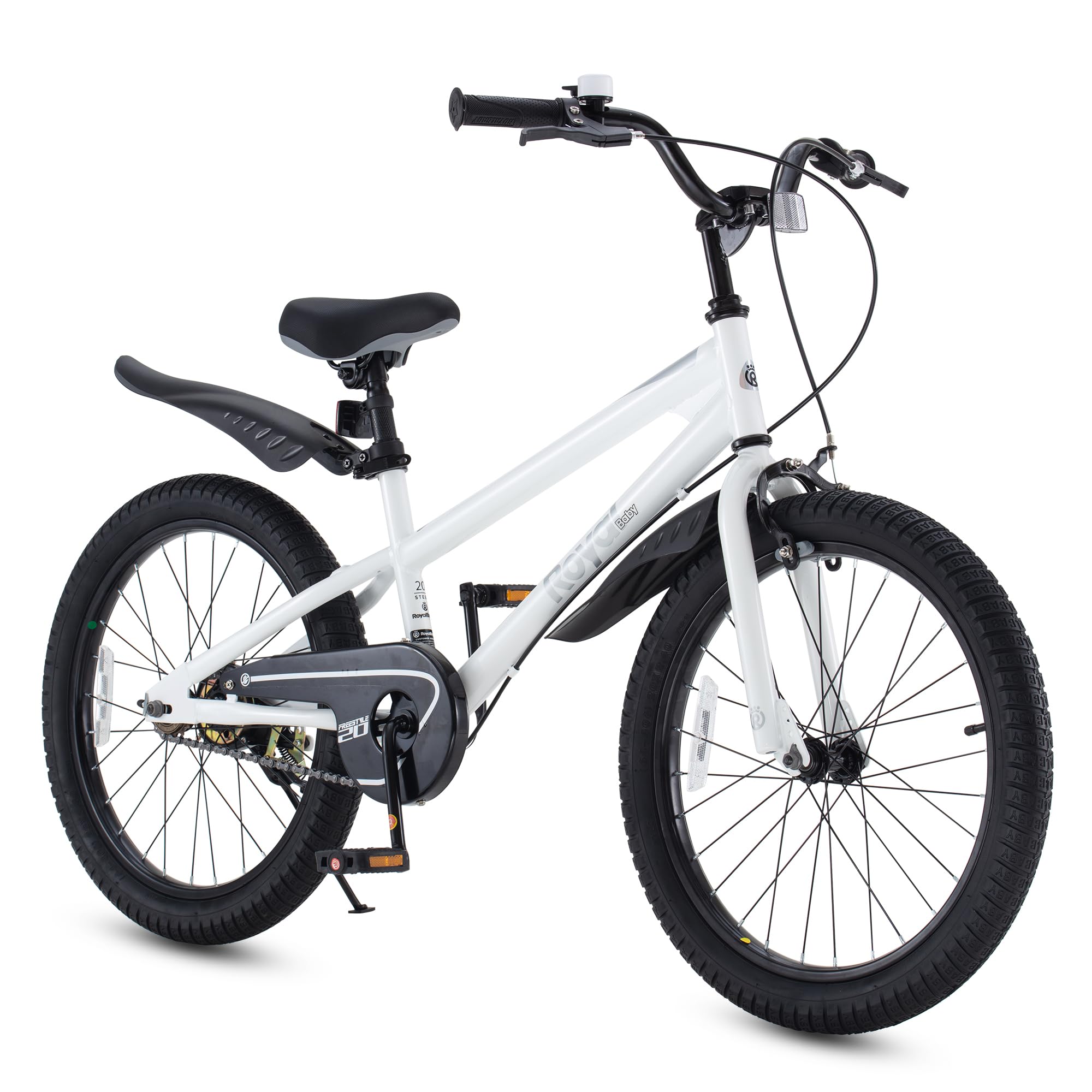
RoyalBaby Freestyle

RoyalBaby Freestyle

Neighborhood cruising

Our Score 8.8/10
Check Price

Worth Noting

  • Pedal and brake alignment may need checking
  • Chain snapping and fender cracking can occur under normal pavement use
Brake Type
Caliper/Coaster
Drivetrain
Single-speed
Pre-Assembled
95%
Frame Material
Alloy Steel
Read the full review

The RoyalBaby Freestyle stands out for its sporty BMX-inspired design and near-complete pre-assembly, getting your child rolling faster than the more specialized BMX alternatives in this class. Sealed bearings and a solid steel frame give it a quality feel for the price, while kids love the bold color options and cool look.

This bike is a good fit for children aged 6-9 who ride mostly on smooth neighborhood streets and paved paths. Chain snapping and fender cracking have been noted in some cases, so it’s not suited for gravel, bumps, or aggressive riding. Stick to gentle pavement use to get the most out of it.

During assembly, verify pedals are correctly marked left/right – some units arrive mismatched.

Bottom line: If your child loves the BMX look and stays on smooth pavement, this is a good mid-range option – just plan to check chain tension and fender attachments occasionally.

5

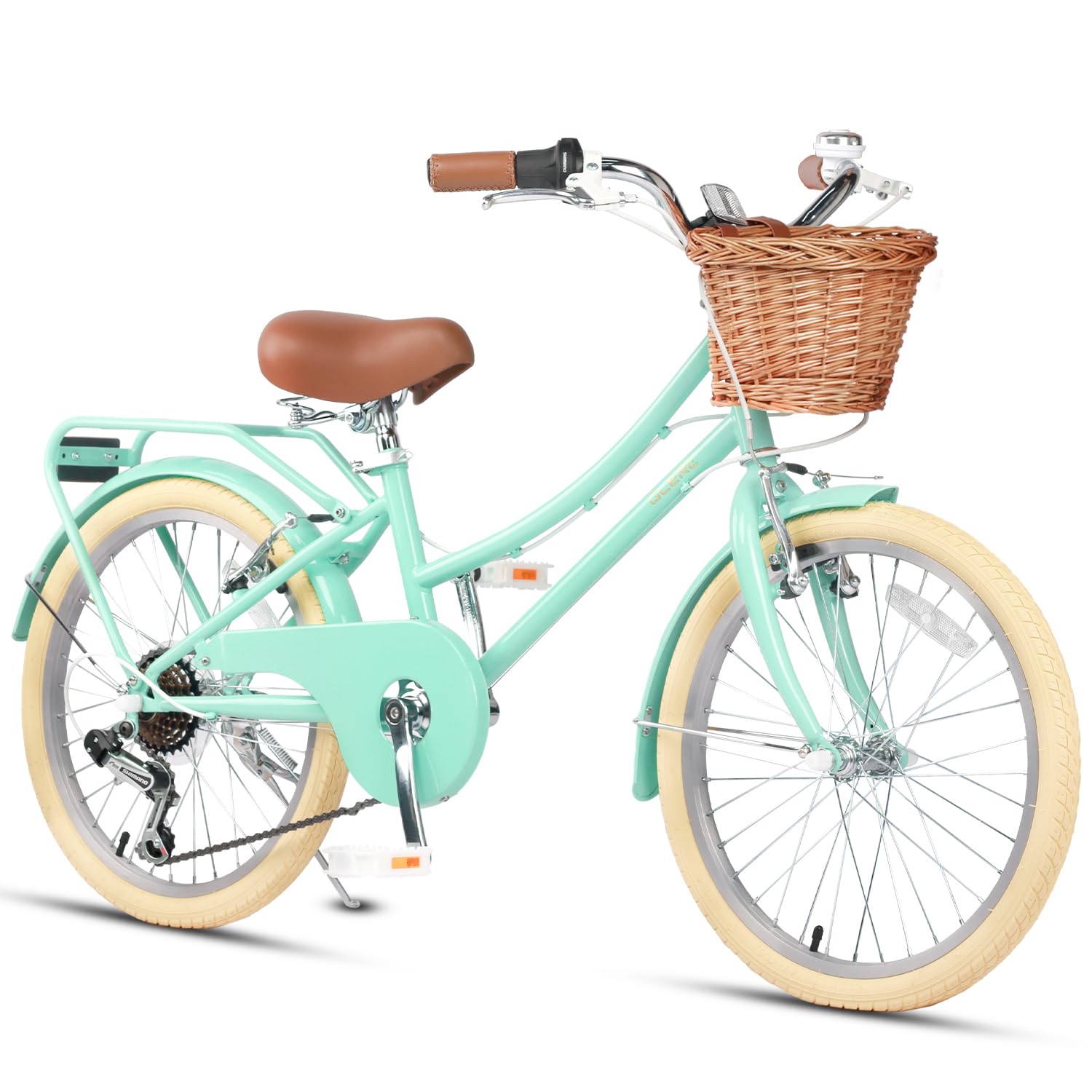
Glerc Missy Cruiser

Glerc Missy Cruiser

Style-conscious riders

Our Score 8.8/10
Check Price

Worth Noting

  • On gravel or uneven surfaces, the rigid suspension and tires lose grip quickly
  • Component longevity under frequent or varied use is not yet established.
Brake Type
V-brake
Drivetrain
6-speed
Pre-Assembled
Frame Material
Carbon Steel
Read the full review

The Glerc Missy Cruiser delivers a charming, well-constructed package for neighborhood pavement use: carbon steel frame, step-through design, and a 6-speed drivetrain that handles mild inclines better than single-speed alternatives. The wicker basket and color options appeal to riders who want a classic look. That said, the rigid suspension and narrow tires limit this bike to smooth roads—it has no place on gravel or dirt paths. Additionally, long-term durability across regular use remains unconfirmed, so this is best suited for occasional, scenic rides rather than daily heavy use.

Bottom line: Best for families who want a pretty cruiser for occasional flat-pavement rides and prioritize style over off-road capability or heavy daily use.

6

WEIZE Girls MTB

WEIZE Girls MTB

Girls trail bike

Our Score 8.8/10
Check Price

Worth Noting

  • Brakes and chain may need adjustment after initial rides, reducing confidence for heavy weekend use.
  • Sizing runs small
Brake Type
Caliper
Drivetrain
6-speed
Pre-Assembled
Frame Material
Carbon Steel
Read the full review

This WEIZE 20-inch girls’ mountain bike delivers a light frame, front suspension, and six-speed gearing at a reasonable price — a capable setup for paved paths and packed dirt trails. The bike feels sturdily assembled out of the box and goes together in under an hour. Where it stumbles is sizing and long-term part stability: children at the upper end of the recommended height range will find the bike cramped, and the brake cables or chain can require attention after the first few rides. It’s a decent entry-level option if you expect a seasonal bike rather than a multi-year keeper.

Bottom line: Best suited for smaller girls aged 6–9 who want a lightweight trail bike for gentle off-road use, provided you are comfortable checking brake and chain tension regularly.

7

WEIZE Freestyle BMX

WEIZE Freestyle BMX

Freestyle teens

Our Score 8.8/10
Check Price

Worth Noting

  • Brakes may need professional adjustment to achieve consistent stopping power
  • Some components like brake handles and tires may require replacement sooner than expected
Brake Type
V-brake
Drivetrain
Single-speed
Pre-Assembled
85%
Frame Material
Hi-Ten Steel
Read the full review

The WEIZE Freestyle BMX delivers a complete trick-ready package with its 360-degree rotor, four pegs, and a hi-ten steel frame that can handle repeated drops. Assembly is straightforward with most of the bike pre-built. However, the V-brakes may require a professional adjustment to achieve consistent stopping power, and some components like the brake handles and tires can wear out faster than expected. This is best suited for teens learning freestyle on a budget, not for younger children who need reliable brakes out of the box.

Bottom line: This bike works for teens who are serious about learning freestyle on a budget, but expect to budget for a brake tune-up and possible part replacements.

8

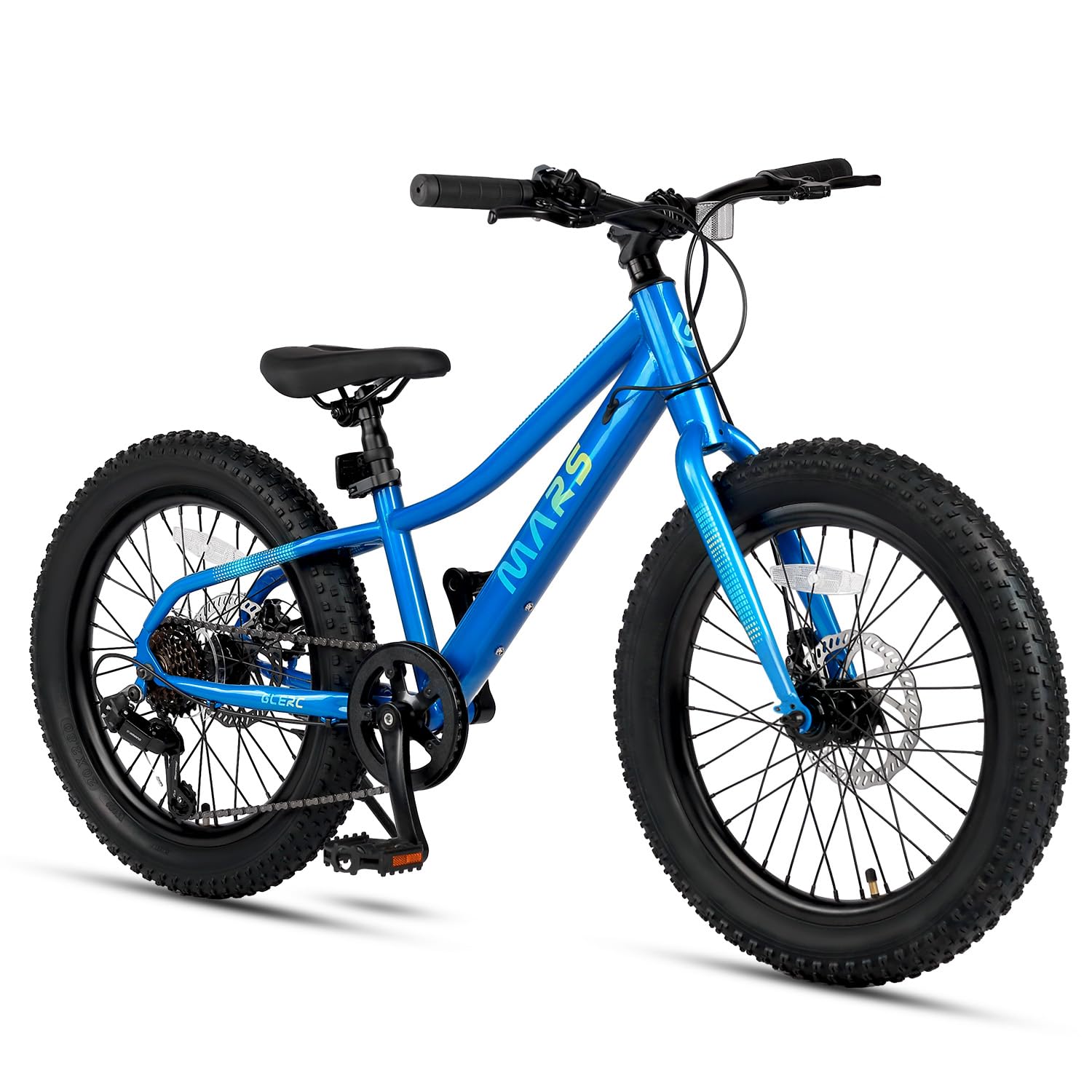
Glerc Mars Fat Tire

Glerc Mars Fat Tire

Early adopters

Our Score 8.6/10
Check Price

Worth Noting

  • Long-term durability and ride quality in real-world conditions are unverified.
Brake Type
Disc
Drivetrain
6-speed
Pre-Assembled
Frame Material
Carbon Steel
Read the full review

The Glerc Mars brings 2.8-inch fat tires and disc brakes to a kids' mountain bike, a combination that could handle soft surfaces like sand or light snow. The 6-speed drivetrain adds range for varied terrain. Unlike the single-speed coaster brake bikes common in this category, this model targets off-road exploration. However, real-world ride quality and long-term durability have not been confirmed by user experience, making it a gamble for families who need a proven first bike.

Bottom line: Suited for early adopters who want to experiment with fat-tire riding on soft terrain, provided they accept the unknown long-term reliability.

9

AVASTA Govet MTB

AVASTA Govet MTB

Light trail beginner

Our Score 8.4/10
Check Price

Worth Noting

  • Gear shifting can require adjustment out of the box
  • Pedals and chain may loosen after a few rides
Brake Type
V-brake
Drivetrain
6-speed
Pre-Assembled
85%
Frame Material
Carbon Steel
Read the full review

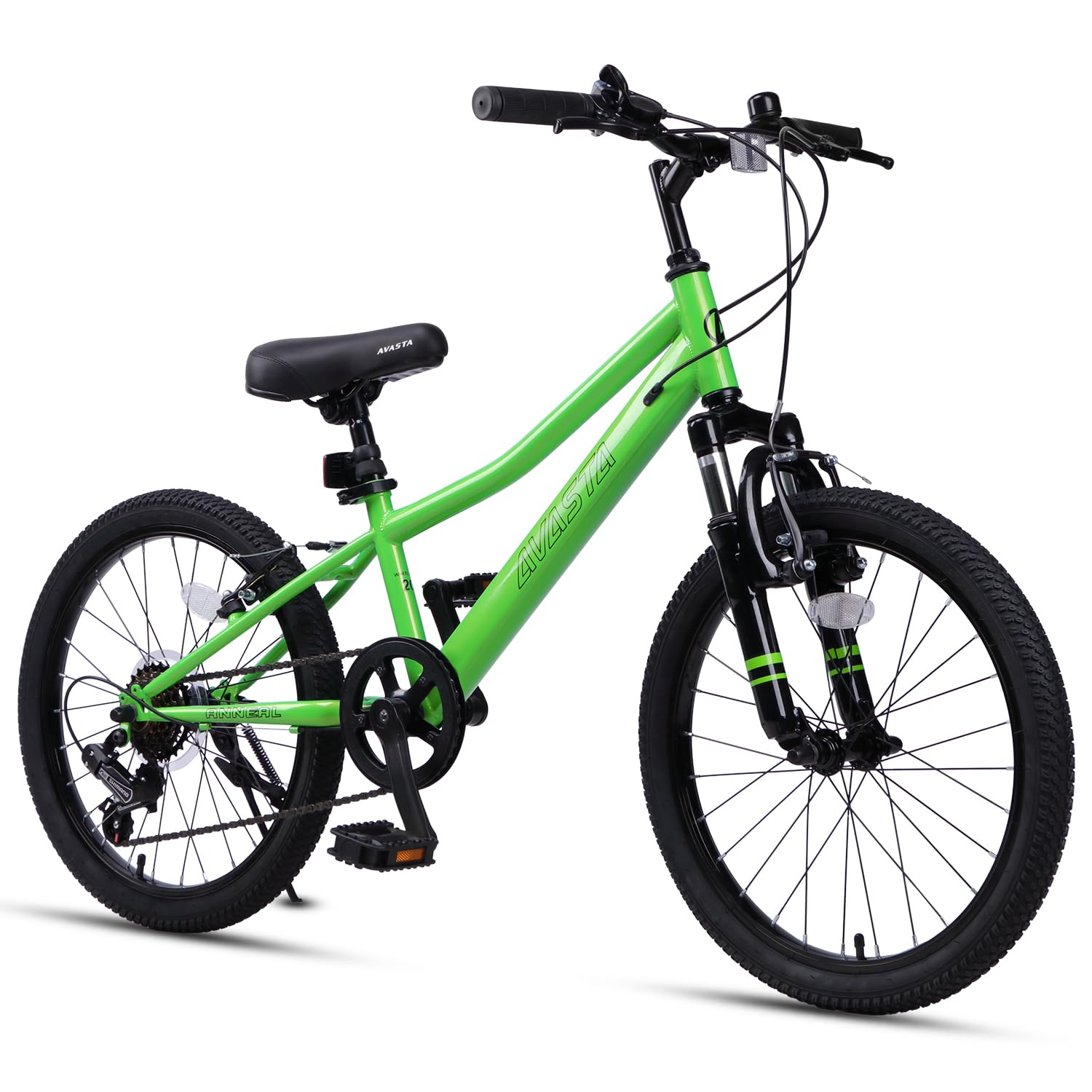
The AVASTA Govet brings front suspension and six gears to a 20-inch wheel bike, giving kids a taste of trail riding without a big investment. The carbon steel frame feels sturdy for the price, and most of the assembly is done out of the box — tools and instructions get the rest done in under an hour.

This bike suits kids aged 6–10 who want to ride on gravel paths or packed dirt, not rocky singletrack. The V-brakes stop well once adjusted, but the derailleur can arrive misaligned — if you’re comfortable with a basic tune-up (or can visit a shop), the gears work fine afterward. Pedal and chain hardware may loosen after a few rides, so checking fasteners early is worth the time.

After assembly, check derailleur alignment and tighten all fasteners — a quick tune-up ensures smoother shifting.

Bottom line: A solid budget option for light trail use — best for families comfortable with a quick gear adjustment and regular fastener checks.

How to Choose

Brake Type and Reliability

Coaster brakes (pedal backward) are the easiest for small hands to operate and require no cable adjustment, but they limit speed control on downhills. Handbrakes give more modulation but demand grip strength that a 5-year-old may not have. Budget disc brakes often arrive misaligned or with weak calipers, so a simple V-brake or coaster-plus-handbrake combo is usually the safer bet for a beginner.

If your child will ride on hills, a handbrake is essential for speed control, but test the lever reach – it should be adjustable so small fingers can reach and squeeze. Disc brakes on a 20-inch bike under $200 are rarely worth the added complexity.

Drivetrain: Gears vs Single-Speed

More gears sound appealing, but cheap derailleurs on budget kids bikes frequently arrive misaligned or fail to shift into all gears. A single-speed drivetrain eliminates that frustration entirely and is far more reliable for a child who doesn't need to tackle steep hills. For flat pavement or gentle trails, a single-speed is often the smarter choice.

If your child will ride hilly terrain or wants to grow into the bike, look for a 6-speed model with a known reliable derailleur – but budget for a tune-up at a shop. The added weight and complexity of a 21-speed drivetrain on a kids bike rarely pay off in real-world use.

Frame Material and Weight

Carbon steel frames are durable and affordable but heavy – a 20-inch steel bike can weigh over 28 pounds, which is a struggle for a small child to lift or maneuver. Alloy steel frames are lighter but can be less durable if thin-walled. The sweet spot is around 25–27 pounds for a bike that a 6-year-old can handle without frustration.

If your child is on the smaller side, prioritize a lighter frame. A heavy bike can make learning to ride more difficult and less fun. Check the listed weight or ask the manufacturer; many budget bikes don't publish it.

Wheel and Tire Width for Terrain

Standard 20-inch wheels come with narrow tires (around 1.95 inches) that roll fast on pavement but sink into gravel or grass. Wider tires (2.4 inches or more) offer better traction on soft surfaces but add rolling resistance. Fat tires (2.8 inches) are for sand or snow but can make the bike feel sluggish on pavement.

For a bike that will mostly see sidewalks and parks, standard width is fine. If your child rides on dirt paths or loose gravel, look for a mountain bike with knobby tires at least 2.1 inches wide.

Assembly Difficulty and Pre-Built Percentage

Most 20-inch bikes arrive 85% pre-assembled, meaning the frame, fork, and wheels are together, but you still need to attach handlebars, pedals, seat, and adjust brakes. Some brands include tools and clear instructions, others leave you guessing. If you are not mechanically inclined, budget an extra $30–50 for a bike shop to finalize the setup.

Pay special attention to brake cable tension during assembly. A loose handbrake is a safety hazard. Many negative reviews stem from poor cable adjustment, not a design flaw. Check the brake before the first ride.

Frequently Asked Questions