Tires & Tubes

9 Best 650B Gravel Tire of 2026: Match Tread to Your Terrain

Which 650b gravel tire offers the best mix of speed, traction, and tubeless ease? This guide helps you pick based on your gravel surface and budget.

Many gravel riders discover too late that a tire's labeled width doesn't match reality, and getting it seated tubeless can require a compressor. That's not a sign of a bad tire — it's a common trade-off across the category. The real challenge is finding a tire that rolls fast on pavement, grips on loose gravel, and doesn't flat on the first sharp rock.

Knobby tires grip but drag on road; slicks are fast but slide off gravel. The top contenders here split between a fast, grippy all-rounder with a narrower but strong review base, and a highly-reviewed versatile tire that wears faster. Your choice comes down to whether you prioritize long tread life or the reassurance of near-1000 rider experiences.

1

Panaracer Gravelking SK

Top Pick
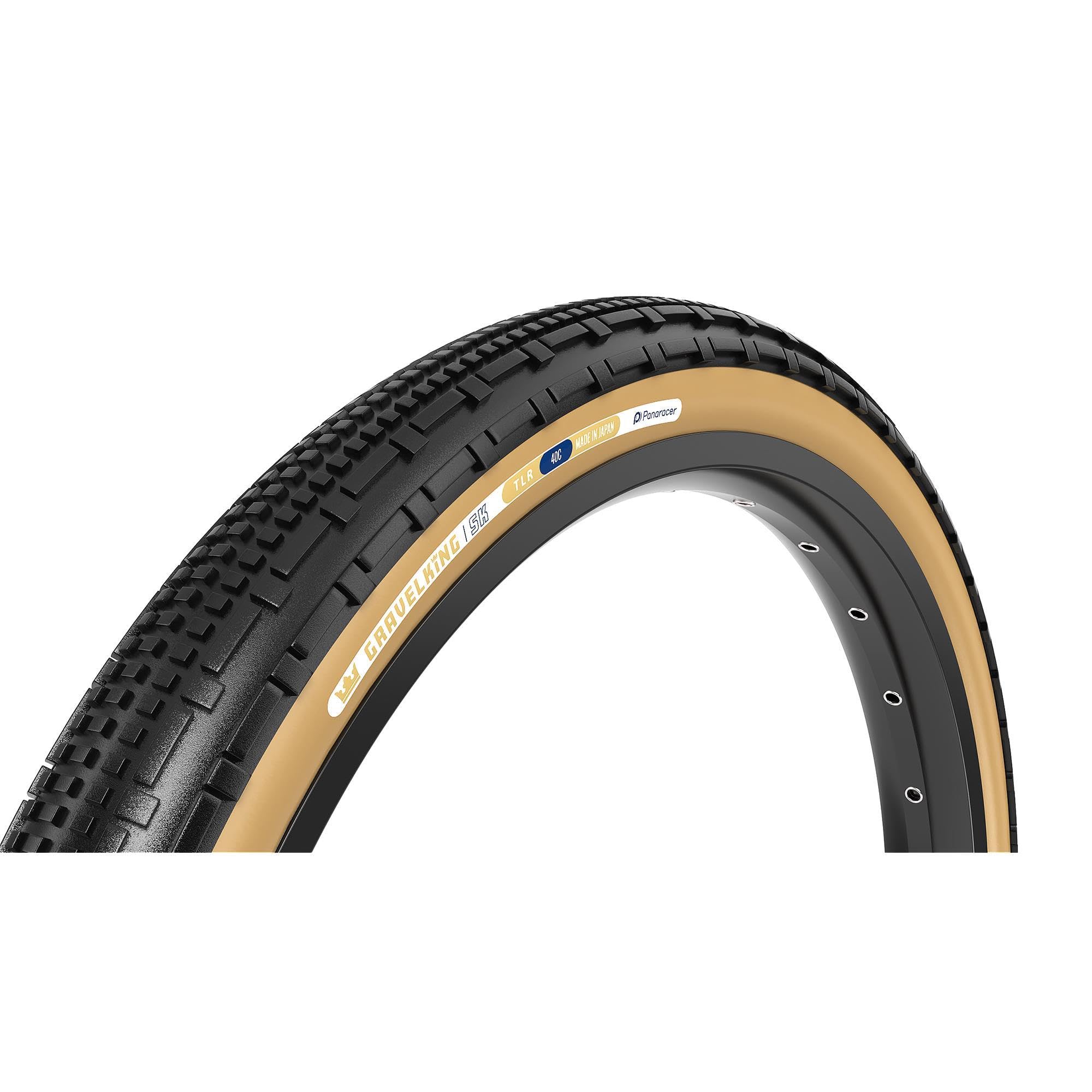
Panaracer Gravelking SK

Mixed gravel surfaces

Our Score 9.2/10
Check Price

Worth Noting

Width
48 mm
Casing
TuffTex
Tubeless
Ready
Tread Pattern
Knobby
Read the full review

Panaracer's Gravelking SK rolls fast for a knobby tire while holding a confident line on loose gravel and pavement. Available in 650b, the 48mm width and TuffTex casing deliver a smooth, compliant ride that absorbs chatter without feeling sluggish. The knobby tread provides predictable grip for cornering and braking, and the mid-range price makes it a strong value next to premium competitors.

Mounting the tire on some rims can be tight, often needing a compressor or tire booster to seat the bead — a factor worth considering if you prefer fuss-free tubeless setup. It's less ideal for those who prioritize the easiest tubeless installation above all else. For most gravel riders looking to upgrade from entry-level tires and get a fast, capable all-rounder for gravel and pavement, the SK delivers.

Bottom line: The Gravelking SK is the right choice for mixed-surface riding if you're okay with a tight mount and want speed and grip without a premium tag.
2

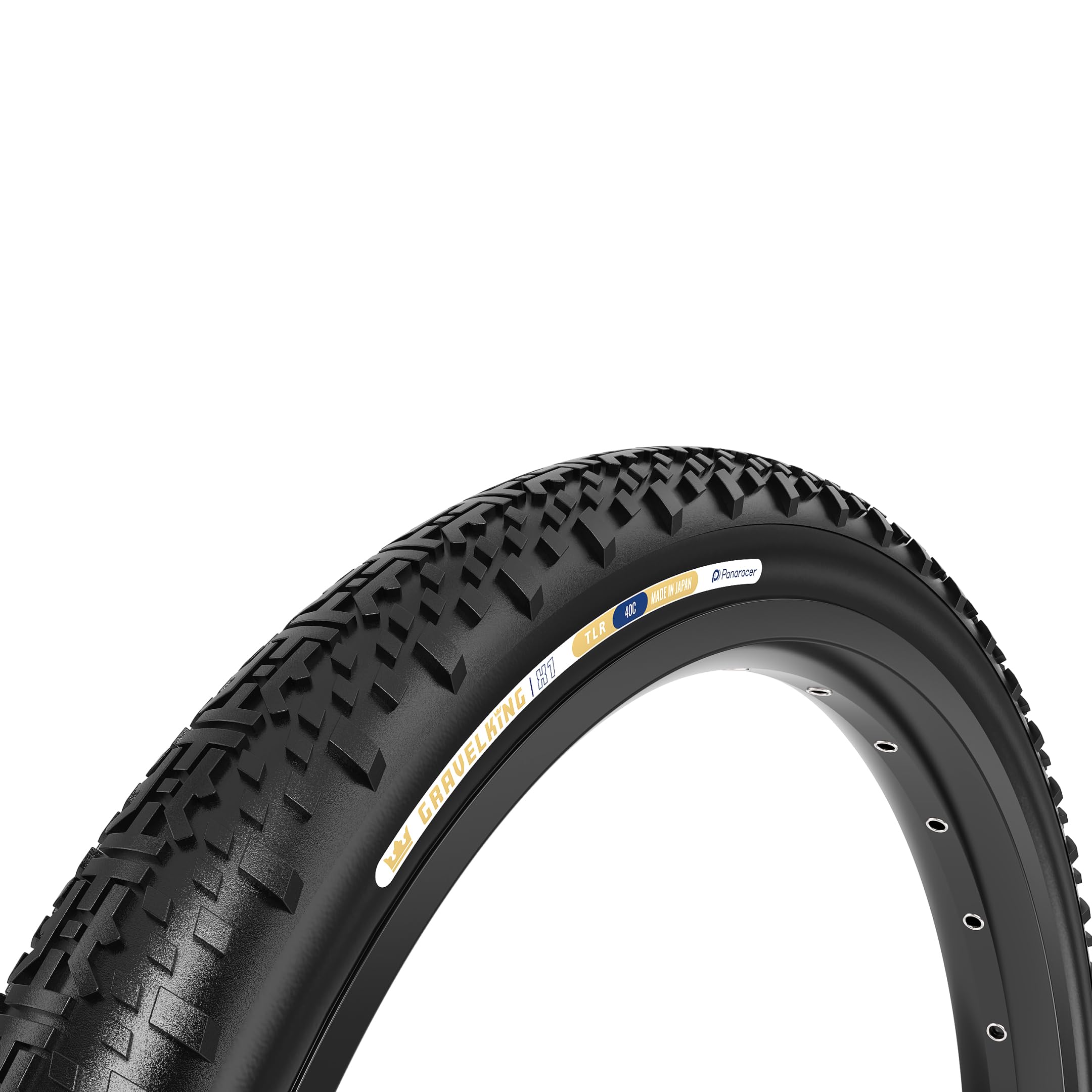
Panaracer Gravelking X1

Panaracer Gravelking X1

Aggressive off-road use

Our Score 9.2/10
Check Price

Worth Noting

  • Thin casing can lead to sidewall cuts on flinty, sharp gravel
Width
48 mm
Casing
TuffTex
Tubeless
Ready
Tread Pattern
Knobby (aggressive)
Read the full review

The Panaracer Gravelking X1 delivers strong grip on loose gravel and impressive rolling speed for a knobby tire. The moderate price is appealing, but the thin casing can suffer punctures on sharp rocks. For a more established track record on mixed surfaces, the Gravelking SK covers the same use case.

Bottom line: Best for riders tackling loose technical terrain who prioritize grip over puncture resistance.

3

American Classic Krumbein

American Classic Krumbein

Loose gravel riding

Our Score 9.0/10
Check Price

Worth Noting

  • Runs significantly narrower than advertised (up to 4mm less)
Width
47 mm (650b)
Casing
Stage 5S Nylon105
Tubeless
Ready
Tread Pattern
Knobby (aggressive)
Read the full review

The Krumbein’s knobby pattern delivers consistent grip in loose gravel and singletrack at a budget-friendly price, rolling faster than expected for such an aggressive tread. This makes it a strong alternative to pricier options for riders focused on off-road terrain.

This tire suits aggressive gravel riders who prioritize traction over pavement speed. However, it may measure up to 4mm narrower than its labeled width, so careful measurement of frame clearance is essential before purchase.

Because the tire runs narrower than labeled, consider ordering a width one size larger than you normally would for your rim.

Bottom line: For riders on a budget who tackle loose gravel and singletrack, this tire offers exceptional off-road grip at a bargain price — just double-check your frame clearance before buying.

4

Pirelli Cinturato Gravel H

Pirelli Cinturato Gravel H

Fast hardpack racing

Our Score 9.0/10
Check Price

Worth Noting

  • Puncture protection can be insufficient on sharp, rocky terrain.
Width
Casing
Armour Tech
Tubeless
Ready
Tread Pattern
Knobby with tightly packed center
Read the full review

The Pirelli Cinturato Gravel H delivers low rolling resistance and responsive handling on packed gravel and hardpack, with a ride feel that inspires confidence at speed. Puncture protection is lighter than some competitors, so sharp rocky terrain can lead to flats — this tire suits racers and performance riders on well-maintained gravel courses rather than mixed singletrack or chunky descents.

Mounting can be very tight on some rims — a compressor or lever workaround may be needed.

Bottom line: A sharp handling option for gravel racers who value rolling speed and cornering confidence, provided the terrain stays above jagged rocks.

5

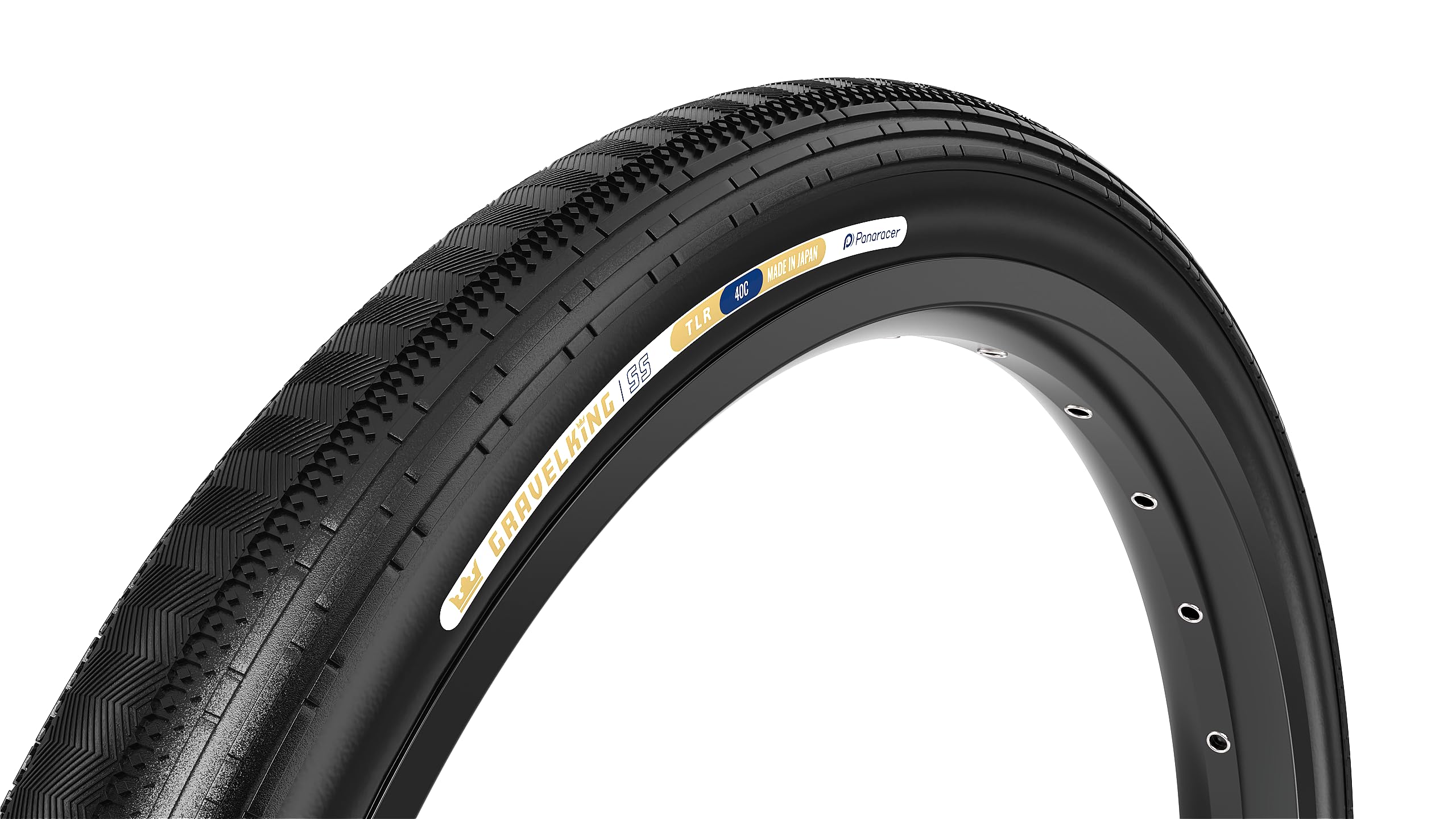
Panaracer Gravelking SS

Panaracer Gravelking SS

Pavement and hardpack

Our Score 9.0/10
Check Price

Worth Noting

  • Mounting can be tight on some rims, especially seating the first bead.
Width
48 mm
Casing
TuffTex
Tubeless
Ready
Tread Pattern
Semi-slick
Read the full review

Smooth rolling on pavement and good grip on hardpack make this a solid choice for riders mixing road and light gravel. The durable casing resists flats over long miles, but mounting can be tight on some rims. It is best suited for pavement and hardpack, not loose gravel where the SK offers more bite.

Bottom line: Best for riders who primarily ride pavement and hardpack and can work through a snug initial mount.

6

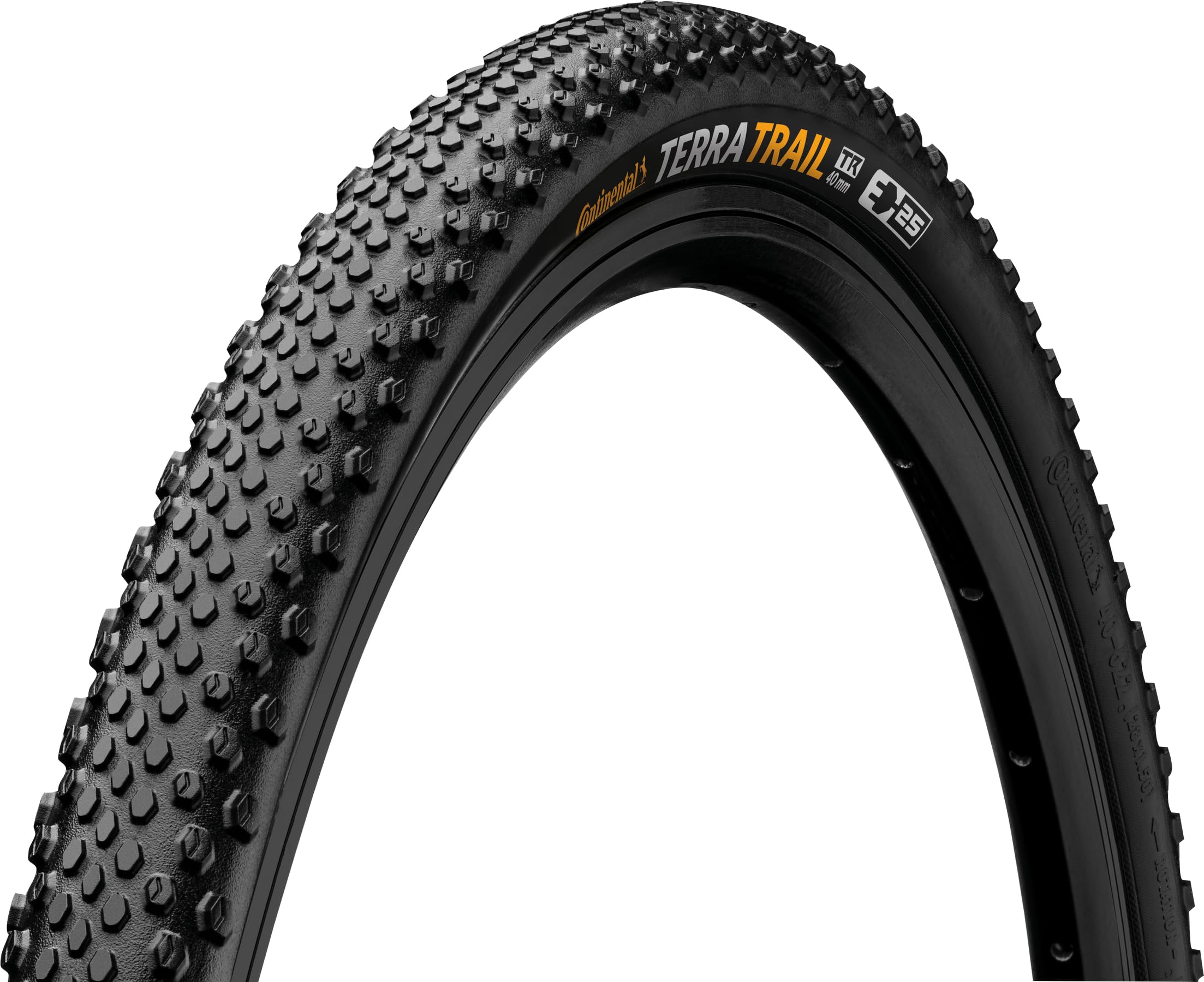
Continental Terra Trail

Continental Terra Trail

Technical cornering grip

Our Score 8.8/10
Check Price

Worth Noting

  • Some units have lateral wobble after mounting that may rub frame stays
  • Sidewall weeping may require extra sealant in some cases
Width
40 mm (650b)
Casing
ProTection
Tubeless
Ready
Tread Pattern
Knobby with shoulder lugs
Read the full review

The Terra Trail’s BlackChili compound and ProTection casing deliver confident cornering on loose gravel, with an E25 rating for e-bike longevity. Where the top-pick Gravelking SK emphasizes balanced low rolling resistance, Continental focuses on traction and durability. That grip comes at a price premium, and some units show lateral wobble after mounting—worth checking for frame clearance before committing.

Mount the tire before applying sealant and check for wobble; if present, try rotating on the rim or returning for exchange.

Bottom line: This tire suits gravel riders who want maximum cornering grip and e-bike duty, but the QC wobble and premium price mean it is best for those who prioritize traction over absolute roundness and budget.

7

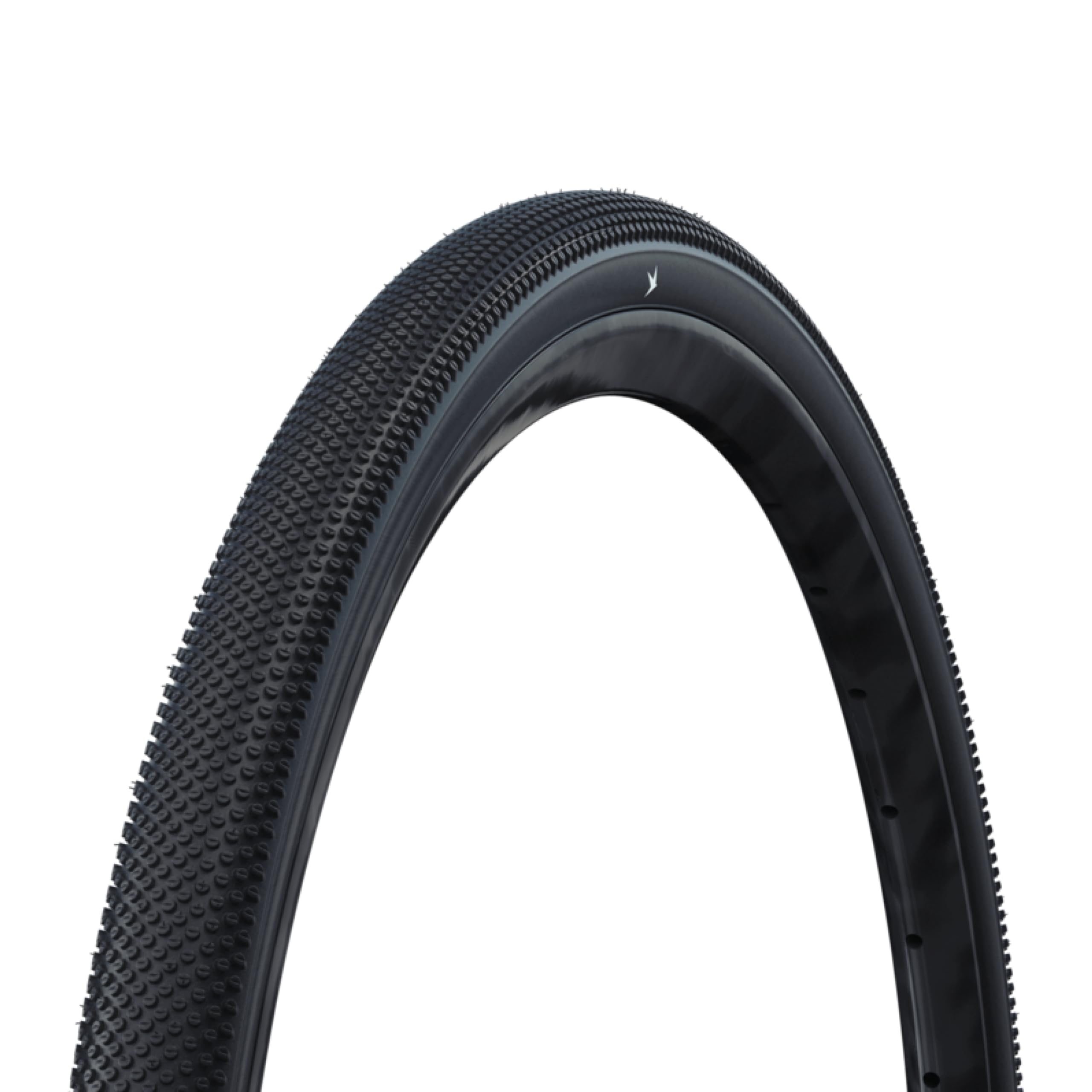
Schwalbe G-ONE Allround

Schwalbe G-ONE Allround

Mixed-surface commuting

Our Score 8.6/10
Check Price

Worth Noting

  • Rear tire wear can be shorter than some competitors
  • Tubeless mounting can be difficult on some rims
Width
40 mm (584)
Casing
ADDIX compound
Tubeless
TLE
Tread Pattern
Semi-slick
Read the full review

The Schwalbe G-ONE Allround rolls faster on pavement than the knobby all-rounder in this set, with enough side tread for confident hardpack gravel. Rear tire wear is the tradeoff – some riders see less than 1,000 miles from the rear before replacement. That makes this tire best suited for mixed-surface commuters and touring cyclists who prioritize a smooth road feel and accept a shorter rear lifespan.

For tubeless setup, a compressor may be needed on certain rim combinations.

Bottom line: A solid all-rounder for mixed-surface riders who value road smoothness and don't mind a shorter rear tire lifespan.

8

American Classic Kimberlite

American Classic Kimberlite

Light gravel commuting

Our Score 8.4/10
Check Price

Worth Noting

  • Mounting is very difficult and sometimes requires an air compressor
Width
47 mm (650b)
Casing
Stage 5S Nylon109
Tubeless
Ready
Tread Pattern
Smooth center with side knobs
Read the full review

The American Classic Kimberlite hits the lowest price point for a 650b gravel tire, rolling quietly on pavement and hardpack. But puncture protection is thin on sharp gravel, and getting it onto a rim can be a battle. It is a budget compromise best suited for casual riders who value upfront savings over hassle-free use.

Bottom line: A workable choice if you stick to well-maintained trails and have the patience for a tough install.

9

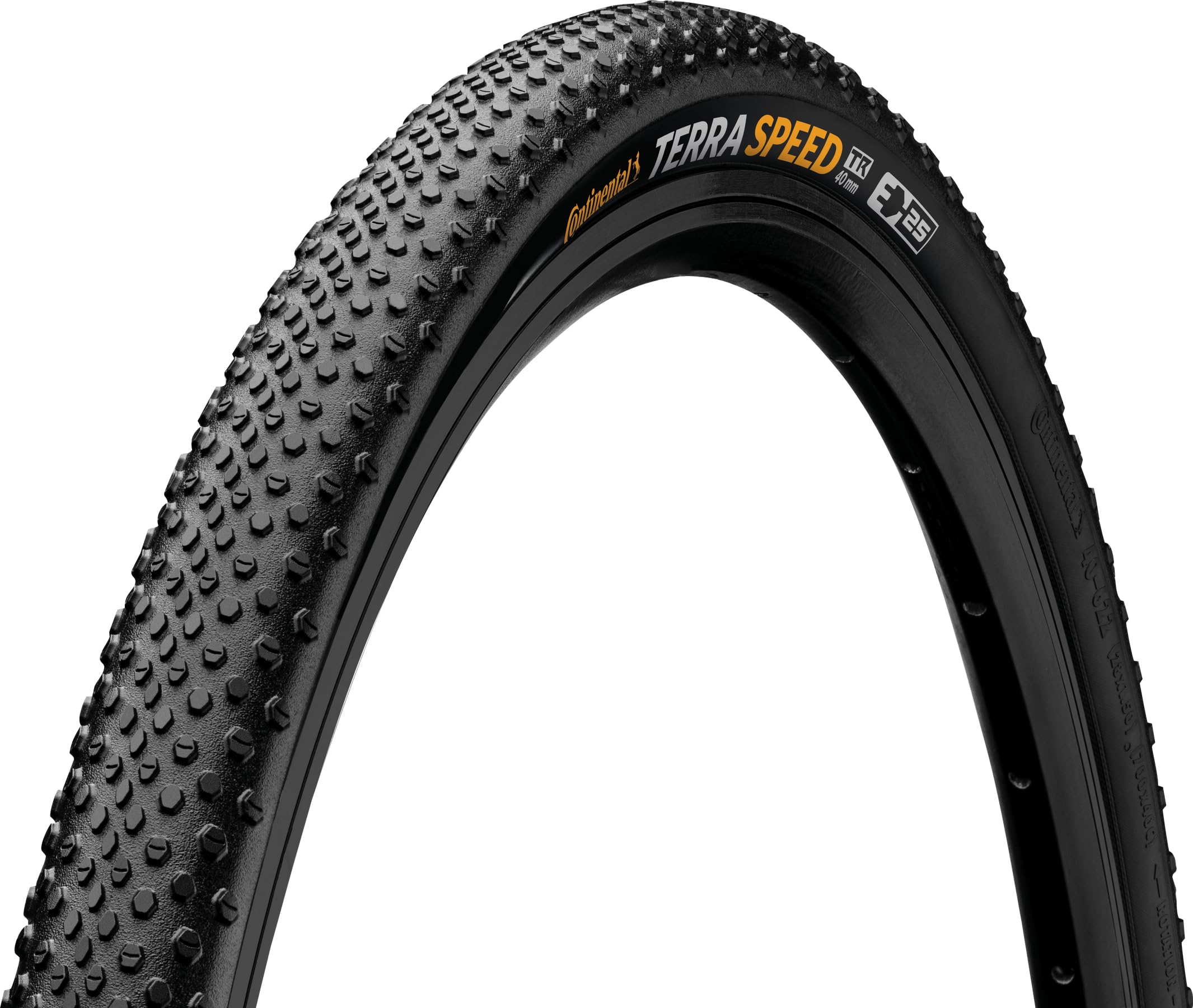
Continental Terra Speed

Continental Terra Speed

Smooth gravel speed

Our Score 8.0/10
Check Price

Worth Noting

  • Tread may wear out in as little as 700 miles under regular riding.
Width
40 mm
Casing
ProTection
Tubeless
Ready
Tread Pattern
Low-profile hex pattern
Read the full review

The Continental Terra Speed offers the lowest rolling resistance of any 650b gravel tire in this roundup, and its tubeless setup is simple with most rims. However, the fast-wearing compound and occasional sidewall weeping make it a poor choice for everyday riding – best reserved for race day or as a budget spare.

Bottom line: A strong option for a gravel race or a short-term budget replacement where speed matters more than longevity.

How to Choose

Tread Pattern: Knobby vs Semi-Slick vs Slick

Knobby tires deliver reliable grip on loose gravel and dirt, but they create noticeable drag on pavement and can be noisy. Semi-slick tires balance speed on road with enough side knobs for hardpack corners. Slick tires are fastest on asphalt but slide on any loose surface.

The hidden trade-off: if your route is 70% pavement, a semi-slick like the Gravelking SS or Schwalbe G-ONE often ends up faster overall than a knobby tire, because you spend less energy fighting rolling resistance on the road sections.

Width: Actual vs Labeled

A tire's measured width can be 2–4mm narrower than the number printed on the sidewall. This depends on rim internal width and casing construction. For a tight frame clearance, always check actual measurements from other riders or mount the tire before buying.

The hidden trade-off: a 47mm tire that measures 43mm provides less air volume and comfort than expected. If you need maximum cushioning for rough gravel, consider sizing up one width step.

Casing Protection

Casing protection ranges from thin, supple casings (like TuffTex or 120 TPI) to tougher, lower-TPI options (like 60 TPI). Supple casings ride smoother and reduce weight but are more vulnerable to cuts on sharp rocks. Heavier casings are more durable but feel stiffer.

The hidden trade-off: a tire that feels fast and comfortable on a test ride may flat within 200 miles on flinty gravel. For rocky terrain, prioritize puncture-resistant casings like Continental's ProTection or Schwalbe's ADDIX compound, even if they add a few grams.

Ease of Tubeless Installation

Tubeless mounting difficulty is not an indicator of quality — many premium tires require a compressor or tire booster to seat the beads. Tighter beads often seal better once mounted, but they make trailside repairs impractical.

The hidden trade-off: tires with easy installation (like the Continental Terra Trail) are a joy to set up but may not hold pressure as securely as tighter tires. If you plan to install at home and rarely need trail fixes, a tighter tire is fine. If you need to mount on the road, prioritize ease.

Weight and Rolling Resistance

Lighter tires accelerate faster and feel more responsive, but they often sacrifice puncture protection and tread life. Heavier tires (with thicker casings) are more durable but can feel sluggish on climbs.

The hidden trade-off: a tire that weighs 100g less may flat twice as often on sharp gravel. For long-distance gravel events, the time lost fixing a puncture far outweighs the small aerodynamic gain. Choose durability over weight unless you're racing on smooth hardpack.

Frequently Asked Questions