Helmets

5 Best Aero Bike Helmet 2026: Real Gains Without Overpaying

Find the best aero bike helmet for your riding style, balancing speed, safety, and comfort without falling for exaggerated claims.

Aero helmets promise free speed, but that speed often comes with trade-offs: reduced ventilation, a snugger fit, or a fragile integrated visor. Many riders pick a helmet based on a claimed drag number that has little meaning outside a wind tunnel.

The real decision is between convenience—an integrated visor that seals you in—and a design that balances safety certifications, breathability, and weight for daily use. For most road cyclists, the helmet that wins is the one that disappears on your head, not the one that shaves a few seconds in a test.

1

KASK Protone Icon

Top Pick
KASK Protone Icon

Performance & style

Our Score 9.6/10
Check Price

Worth Noting

  • Fit can be narrow for some head shapes, and the ratchet strap may loosen with use.
Weight
Protection
MIPS
Read the full review

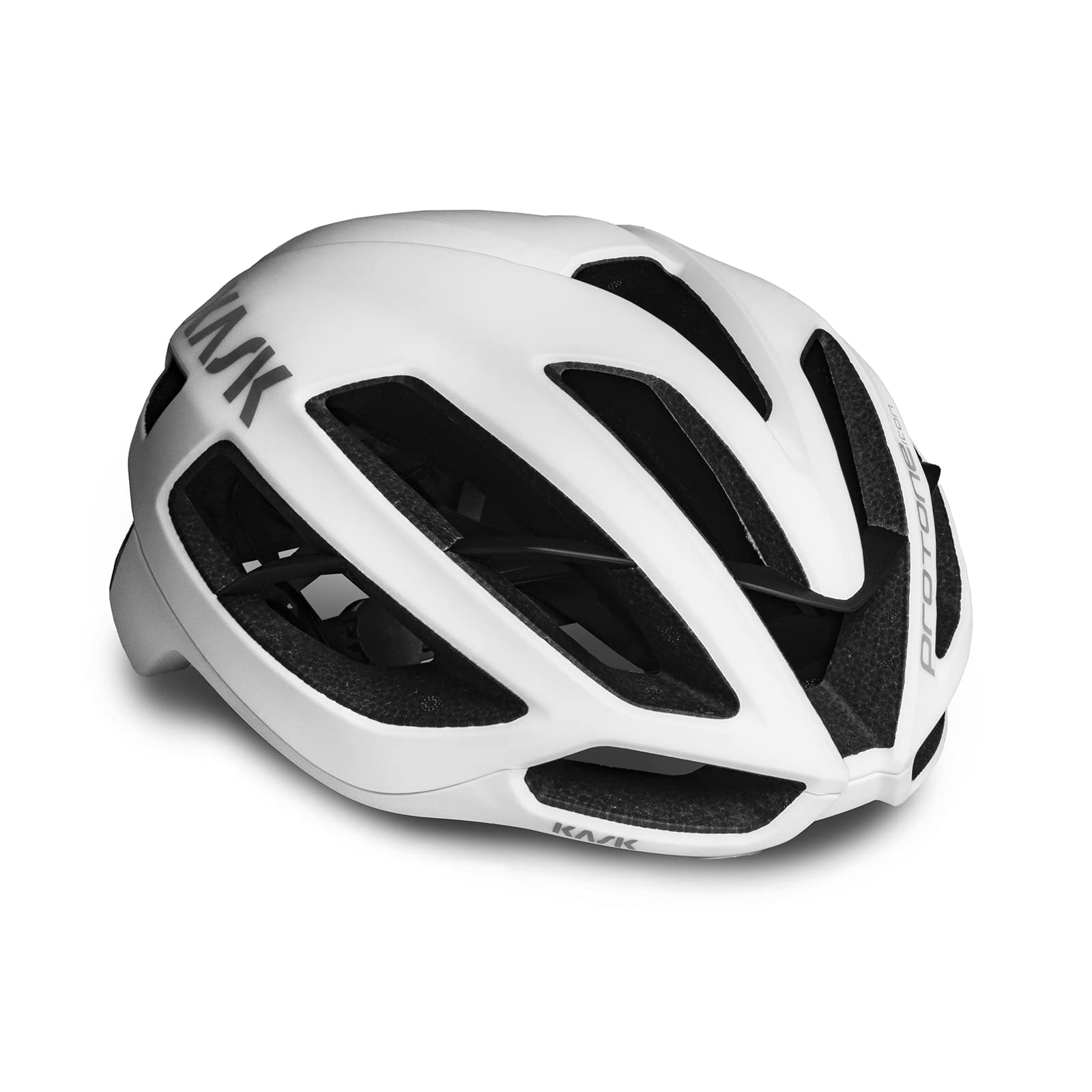
The KASK Protone Icon pairs Italian craftsmanship with a clean, premium look that stands out in the aero helmet segment. Its Octo Fit adjustment system offers precise tuning, and ventilation is well-regarded for maintaining comfort during long efforts. The high customer ratings reflect consistent build quality.

This helmet suits performance road cyclists who value style and fit above all else, but it carries an important caveat: the fit can be narrow for certain head shapes, and the ratchet strap may loosen over time. Riders with non-standard head dimensions should try it on before committing.

Occasionally check the ratchet strap tension during long rides; it may require readjustment over time.

Bottom line: A well-made, visually refined aero helmet for riders who put build quality above the highest safety ratings — just confirm the fit beforehand.
2

Giro Aerohead MIPS

Giro Aerohead MIPS

Triathletes & TT

Our Score 9.4/10
Check Price

Worth Noting

  • Fit can be tight for some head shapes; sizing up is recommended.
Weight
0.3 kg
Protection
MIPS
Read the full review

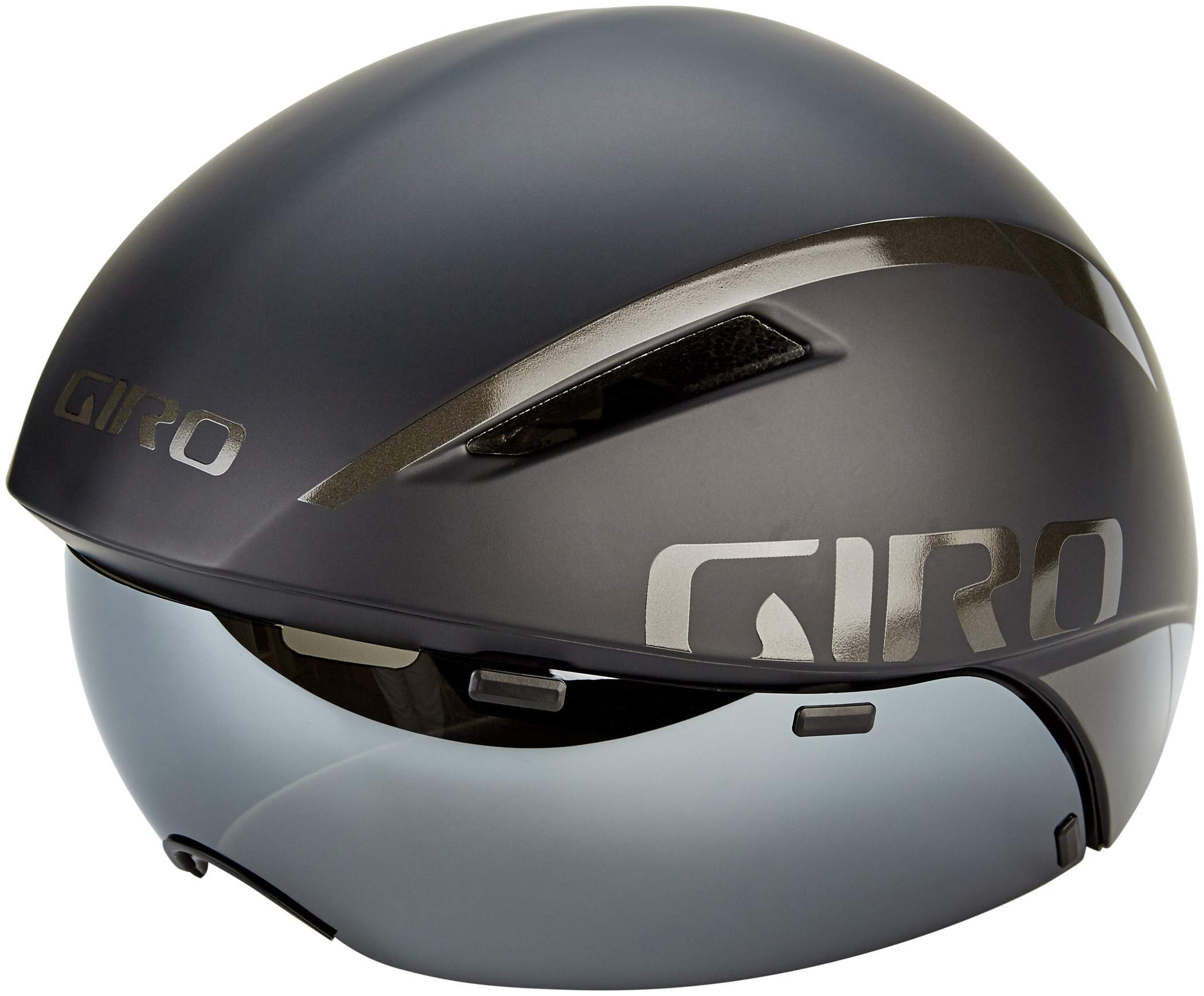
The Giro Aerohead MIPS pairs an integrated magnetic visor with a streamlined shape, giving time trialists clear forward vision without the hassle of separate eyewear. The fit is snug and comfortable in the aero position, though riders with larger heads should consider sizing up for a proper feel. Ventilation is effective enough to maintain comfort during sustained efforts, and the MIPS liner adds rotational impact protection. This helmet is best for dedicated racers who prioritize aero efficiency over all-day ventilation.

Order one size larger than your usual helmet size for the best fit.

Bottom line: For time trialists and triathletes who value an integrated visor over maximum ventilation, the Aerohead delivers focused aero performance at a premium price.

3

Giro Aries Spherical

Giro Aries Spherical

Safety & comfort

Our Score 9.2/10
Check Price

Worth Noting

  • Budget-conscious riders will find the premium price a barrier when adequate alternatives cost less
  • The adjustment strap edges can feel rough against the neck in some units
Weight
10 oz
Protection
Spherical MIPS
Read the full review

The Giro Aries Spherical delivers the highest safety rating available, thanks to its Spherical MIPS system and Aura II reinforcement, all in a 10-ounce package. This combination means you don't have to trade protection for weight savings on long climbs.

Ventilation keeps you cool even during sustained efforts, and the fit adjusts easily for all-day comfort. This helmet suits safety-conscious riders who want the best protection for road racing or time trials without an integrated visor. The high price and occasional rough strap edges are worth noting -- budget-minded riders may find better value elsewhere.

If the adjustment strap feels rough, a quick pass with fine sandpaper or a nail file can smooth it out.

Bottom line: The Aries is the benchmark for safety in a lightweight, well-ventilated road helmet -- ideal for riders who put protection first.

4

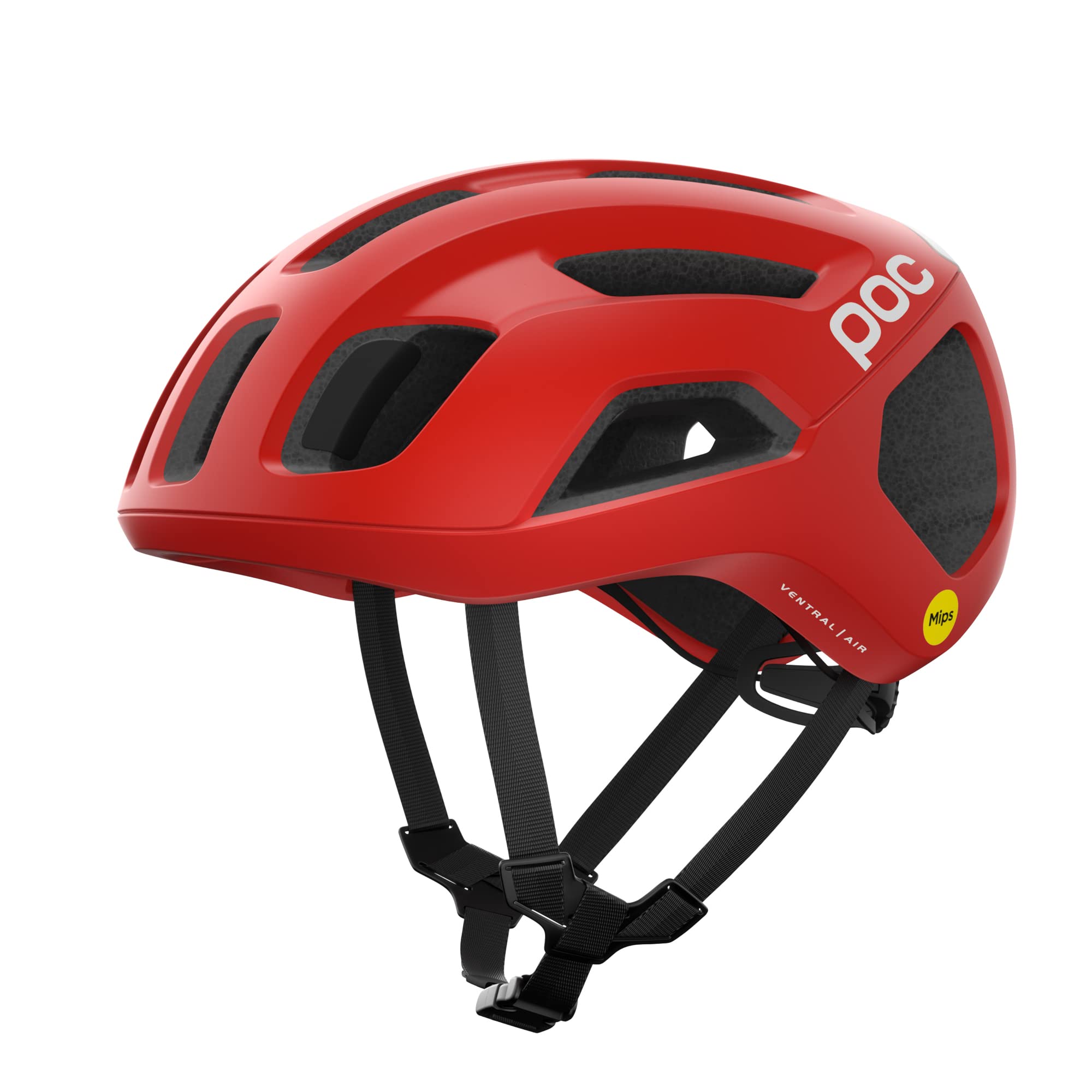
POC Ventral Air MIPS

POC Ventral Air MIPS

Budget aero

Our Score 9.0/10
Check Price

Worth Noting

  • Runs small; riders with larger heads may need to size up considerably
Weight
Protection
MIPS Integra
Read the full review

This helmet pairs CFD-optimized aero shaping with MIPS Integra for a price that undercuts many competitors. Ventilation is good for most rides, though riders in consistently hot climates may prefer the Octal’s airflow. Best suited for those with smaller heads who want aero benefits without spending premium; note that it runs small, so sizing up is recommended.

Order one full size up from your usual measurement for a comfortable fit.

Bottom line: A smart choice for budget-focused riders who prioritize aero and safety over premium finish or extreme ventilation.

5

POC Octal MIPS

POC Octal MIPS

Hot weather

Our Score 8.8/10
Check Price

Worth Noting

  • Side strap position is fixed, which may not sit well for all head shapes.
Weight
Protection
MIPS
Read the full review

The POC Octal MIPS delivers outstanding airflow for a road helmet with MIPS, keeping you cool on climbs and hot commutes. Its lightweight build (under 250g) reduces fatigue on long rides, and the MIPS layer adds rotational impact protection without extra bulk. The tradeoff is aerodynamic drag — this helmet sits deeper into the wind than purpose-built aero models — and the ear straps are fixed, so fit varies by head shape. Ideal for recreational road cyclists and urban commuters who prioritize ventilation over marginal speed gains.

Try the helmet on with your usual glasses or sunglasses, as the fixed strap position can affect compatibility.

Bottom line: For riders who value airflow and low weight over aero gains, the Octal MIPS is a solid option — just verify the strap fit before committing.

How to Choose

MIPS or Spherical Protection

MIPS and Spherical systems reduce rotational forces in a crash. Spherical uses a dual-layer design that allows the outer shell to rotate independently, often with more consistent performance across impact angles.

For most riders, a helmet with any rotational protection is a major upgrade over a basic shell. If you prioritize the highest safety rating, look for a model that has been tested by Virginia Tech — the Giro Aries holds the #1 spot as of this writing.

Ventilation

Aero helmets trade ventilation for a smooth shell, but designs vary widely. Low-profile vents or internal channels can still pull significant airflow — the POC Octal is consistently noted for keeping riders cool even in extreme heat.

If you ride in hot climates or climb a lot, a helmet with generous venting and a high rear exhaust will feel significantly more comfortable than a sealed aero shell. The drag penalty is often negligible below 25 mph.

Weight

Every gram counts on long climbs, but a 50-gram difference is rarely noticeable during a flat time trial. The Giro Aries at 10 oz and the Giro Helios at 8 oz are among the lightest aero helmets available.

Heavier helmets (above 12 oz) can feel unbalanced on bumpy roads or during repeated head checks. For all-day rides, prioritize weight over marginal aero gains.

Visor Integration

An integrated visor eliminates the need for separate cycling glasses and reduces turbulence around the face. The Giro Aerohead and Vanquish use magnetic visors that are convenient but prone to scratches and, in some cases, cracking.

If you ride in variable light or wear prescription glasses, a separate pair of cycling glasses gives you more flexibility. Visor helmets are best for time trialists who want a sealed, consistent position.

Aerodynamic Drag Reduction

Manufacturers often quote drag savings that are only achieved in a tucked position at 30 mph. For amateur riders, the difference between a mid-range aero helmet and a top-tier model is often below the threshold of human perception.

The largest aerodynamic gain comes from the helmet fitting well and staying stable in the wind. A floppy or poorly vented helmet that forces you to ride less efficiently will cost more speed than a few grams of drag.

Frequently Asked Questions