Tires & Tubes

9 Best Bike Tire Inserts of 2026: Stop Flats Without Guesswork

Foam inserts or flat liners? Find which tire protection matches your riding style, budget, and terrain without overpaying for features you don't need.

Tire inserts promise near-total puncture protection, but many riders find themselves wrestling with installation, fit issues, and liners that shift mid-ride. The real challenge is matching the product to your specific riding environment and expectations.

The market splits into two distinct approaches: foam inserts that add rim protection and sidewall support for aggressive riding, and flat liners that offer a simple, low-cost barrier against debris. Each comes with trade-offs in weight, installation effort, and ultimate protection level.

The right choice depends on whether you prioritize run-flat capability, cornering stability, or just keeping goatheads out of your tube. This guide matches each product to the rider and terrain it suits best.

1

CushCore Pro Set

Top Pick
CushCore Pro Set

Aggressive trail

Our Score 9.4/10
Check Price

Worth Noting

  • Installation is tight and time-consuming; first-timers should budget 30–45 minutes per wheel
Type
Foam insert
Weight
260g
Run-Flat
No
Tire Width
2.1-2.6 in
Read the full review

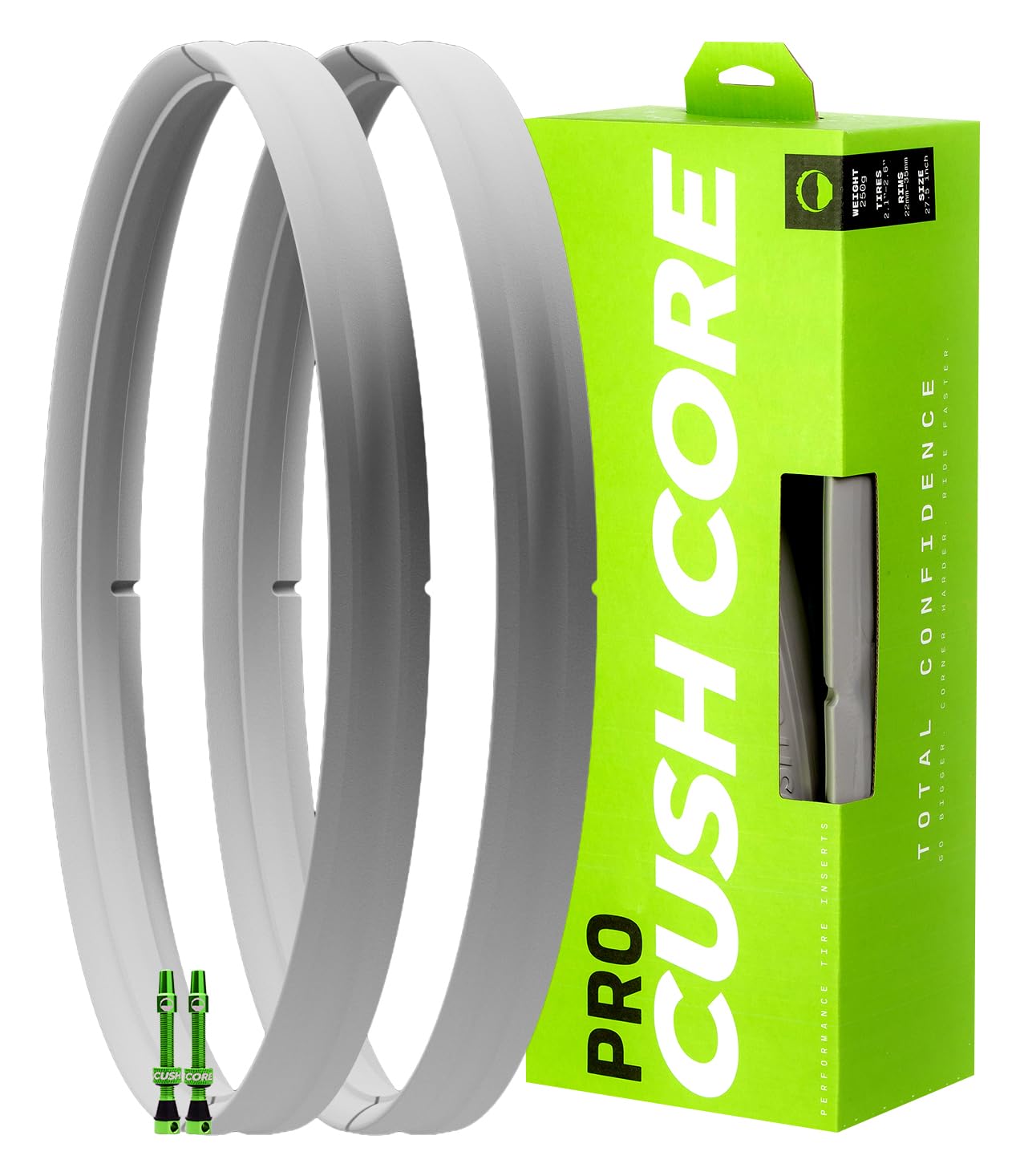
The CushCore Pro Set delivers the best rim protection and ride smoothing in the foam insert market. By supporting tire pressures as low as 15–20 psi, it helps maintain traction and cornering grip on rough terrain while preventing rim strikes that can damage expensive carbon hoops. Riders coming from standard tubeless setups will notice a quieter, more damped feel over rocks and roots.

This setup suits aggressive trail and enduro riders who prioritize control and rim safety over weight or simplicity. It also fits owners of carbon rims who want extra protection from impact damage. The tradeoff is installation: expect 30–45 minutes per wheel on your first attempt. The foam insert fits tightly inside a 33–46 mm tire and requires careful technique to avoid pinching the tube or damaging the bead. Casual riders looking for a quick puncture fix or those on a tight budget will find the effort and cost harder to justify.

Once installed, the inserts stay in place with minimal maintenance. The included Presta valves are compatible with most tubeless setups, and the rim stickers add a clean look. For riders who ride hard and value flat-free confidence at low pressure, the CushCore Pro is a durable upgrade that holds up ride after ride.

Set aside a full evening for the first install, and watch a few technique videos before starting – the foam needs careful persuasion to seat properly.

Bottom line: If you ride aggressive terrain on carbon rims and want the confidence to drop tire pressure without pinch flats, the CushCore Pro is the insert to buy — just plan for a deliberate installation session.
2

CushCore XC Set

CushCore XC Set

XC racers

Our Score 9.2/10
Check Price

Worth Noting

  • Installation can be demanding; first-time setup may require extra time and tools
Type
Foam insert
Weight
450g
Run-Flat
No
Tire Width
1.8-2.4 in
Read the full review

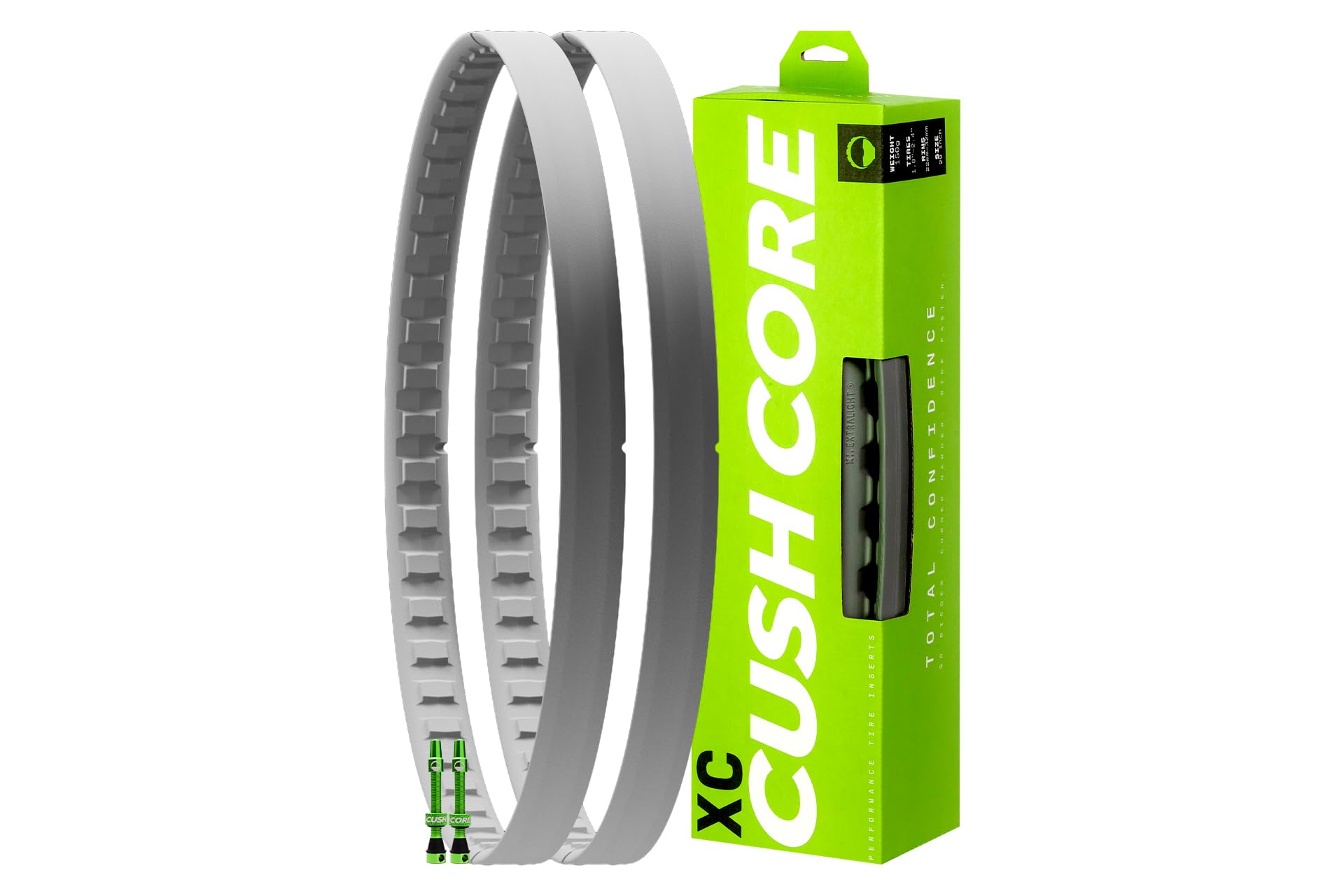
The CushCore XC Set is tailored for 29-inch wheels and narrow tires (1.8-2.4 in), keeping weight low for XC racers. It provides effective rim protection without the heft of the Pro version, but shares the same demanding installation process. This insert suits cross-country riders who want lightweight protection and are willing to pay a premium for a niche application.

A good set of tire levers and a careful technique can help tame the first-time installation; some riders prefer having a shop handle it.

Bottom line: Best for XC racers who can tolerate a tricky install and high cost for lightweight rim protection.

3

Mr. Tuffy Liner

Mr. Tuffy Liner

Commuters and casuals

Our Score 9.0/10
Check Price

Worth Noting

  • Punctures can still occur from sharp thorns even with the liner installed.
  • Fit may be too narrow for some tires, leaving gaps if not sized correctly.
Type
Flat liner
Weight
132g
Run-Flat
No
Tire Width
Fits 700c/27in
Read the full review

Decades-tested polymer liner that delivers simple, affordable flat prevention for commuters — no foam, no fuss. Fit can be too narrow for some tires, leaving gaps; measuring your tire width before purchase is important. Best for commuters, casual riders, and kids’ bikes navigating goatheads and light debris.

Measure your tire’s internal width and select the correct size option to prevent gaps.

Bottom line: Choose this if you ride paved paths or light gravel and want a low-cost flat-prevention upgrade — just check your tire width first.

4

MARQUE Bike Liner

MARQUE Bike Liner

Budget commuters

Our Score 9.0/10
Check Price

Worth Noting

Type
Flat liner
Weight
Run-Flat
No
Tire Width
24-29 in, 700c
Read the full review

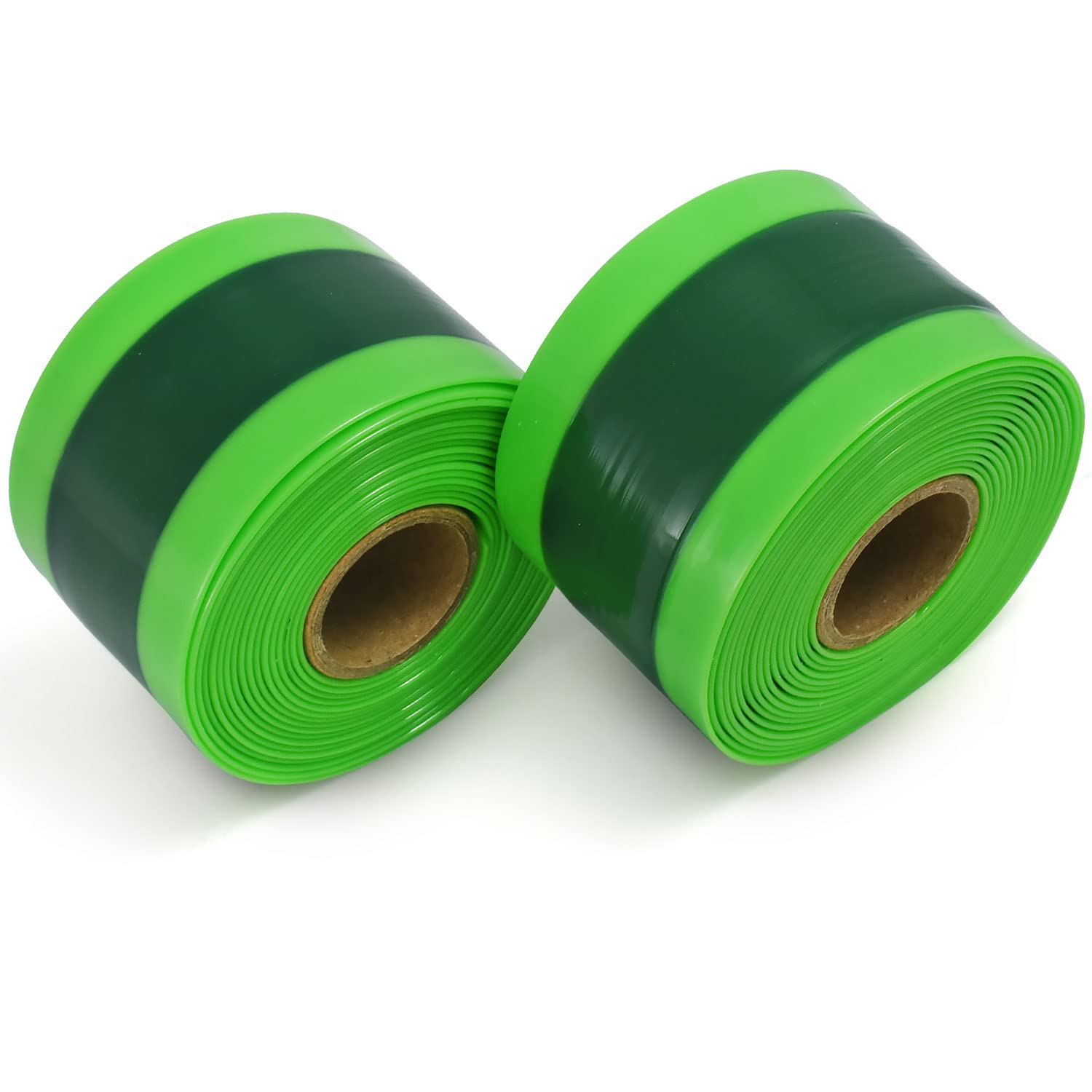
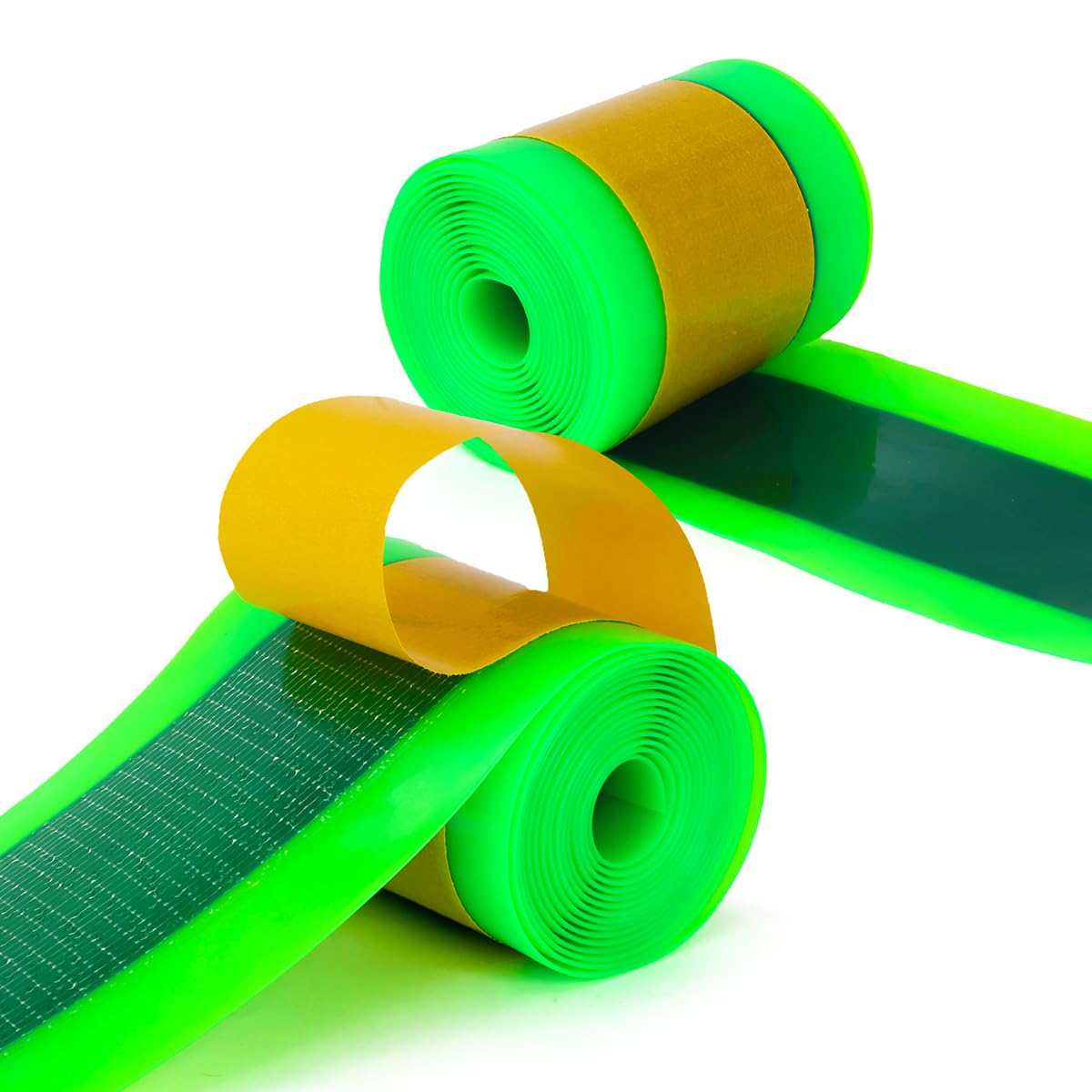
Simplest installation in this guide: peel, stick, trim, and ride. Unlike thicker liners that require careful fitting, this TPU liner adheres directly to the tire interior. It is ideal for budget-conscious commuters and spare bikes used on paved paths or light trails, but long-term durability under heavy use is uncertain — best for occasional riding.

Bottom line: For riders who want an inexpensive, low-effort way to reduce flats on commuter or backup bikes, this liner does the job without complication.

5

Rhinodillos Liner

Rhinodillos Liner

Road and gravel

Our Score 8.8/10
Check Price

Worth Noting

  • Fit can leave tire sidewalls exposed on some tire sizes, reducing coverage.
Type
Flat liner
Weight
209g
Run-Flat
No
Tire Width
9 sizes available
Read the full review

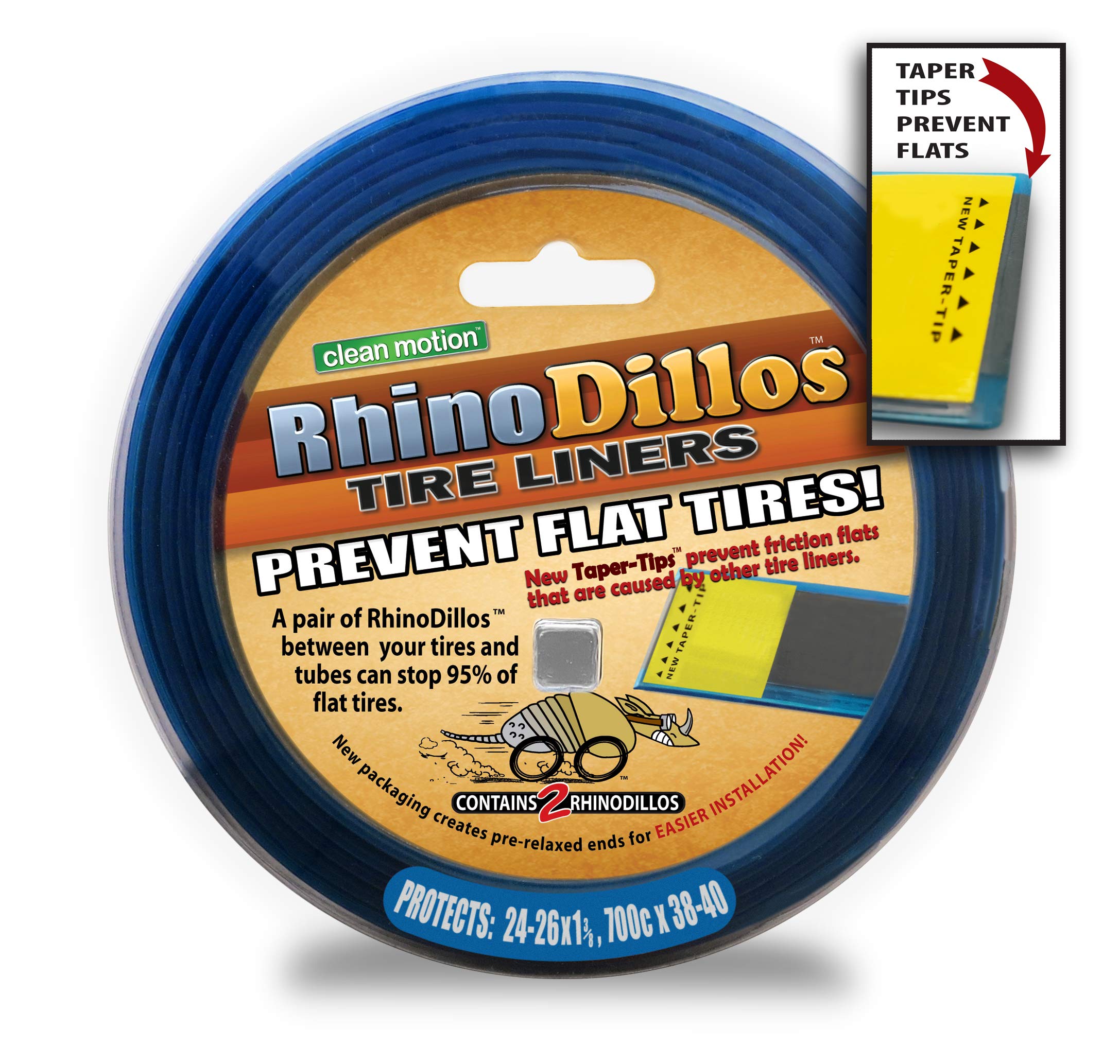
Rhinodillos provides nine size options and a rounded-edge design that simplifies installation for road and light gravel riding. The dual-layer polymer offers decent flat protection from glass and road debris, but puncture resistance is inconsistent — thorns like goatheads can still penetrate. This liner works best for low-debris commutes, not thorn-heavy trails.

Bottom line: For light road commuting where thorns are rare, Rhinodillos offers a budget-friendly liner that installs easily.

6

VOYISA Fat Tire Liner

VOYISA Fat Tire Liner

Fat bike budget

Our Score 8.6/10
Check Price

Worth Noting

  • Self-adhesive backing can detach during installation in some tire interiors.
Type
Flat liner
Weight
Run-Flat
No
Tire Width
3.5-4.0 in
Read the full review

An affordable self-adhesive TPU liner for fat bike tires that installs by peeling, sticking, and trimming. Puncture resistance against thorns and debris is solid. The adhesive may not hold in all tire interiors, so test fit before final assembly. Fewer long-term user reports compared to more established options limit confidence in durability.

Bottom line: A good fit for budget-conscious fat bike owners who are comfortable trimming and verifying adhesive compatibility in their specific tire.

7

JULAI Universal Liner

JULAI Universal Liner

Very occasional riders

Our Score 8.6/10
Check Price

Worth Noting

  • Weak adhesive allows the liner to shift, potentially pinching the tube.
Type
Flat liner
Weight
Run-Flat
No
Tire Width
12-29 in
Read the full review

Fits any wheel from 12 to 29 inches, making it the most size-compatible liner available. But the weak adhesive backing can cause shifting during installation and riding, which may pinch the tube and reduce effectiveness.

Bottom line: Works for the occasional rider with multiple bike sizes who doesn't mind a fiddly install, but not suited for regular or high-mileage use.

8

Ultraverse Fat Liner

Ultraverse Fat Liner

Fat tire budget

Our Score 8.2/10
Check Price

Worth Noting

  • Installation can be difficult and the liner may shift, causing a wobble during rides
Type
Flat liner
Weight
Run-Flat
No
Tire Width
3.0-4.8 in
Read the full review

The Ultraverse Fat Tire Liners deliver decent puncture defense for fat bikes at a reasonable price. However, installation is demanding — the liner can shift during riding, causing a wobble. This makes it a better fit for riders who don't mind a tricky setup and can verify fit with their specific tire model before committing.

Bottom line: Worth considering if you're patient with installation and willing to test fit your tires first, but skip it if an easy, wobble-free setup matters most.

9

Tannus Armour Insert

Tannus Armour Insert

E-bike & fat tire

Our Score 8.0/10
Check Price

Worth Noting

  • Installation can be very difficult; fitting the insert properly may require significant effort and patience
  • Fit may be inconsistent on some tire sizes, leading to shifting or tube pinching
Type
Foam insert
Weight
Run-Flat
Yes
Tire Width
Read the full review

Where the top pick (CushCore Pro) focuses on aggressive trail performance, Tannus Armour targets a different rider: e-bike and fat tire enthusiasts who want run-flat peace of mind without paying premium prices. The 15mm foam layer effectively blocks thorns and debris, and in a pinch-flat situation the insert lets you finish a ride with low or no air pressure.

This protection comes with a notable tradeoff: installation can be very challenging, especially on first attempt, and fit may shift or pinch the tube on some tire sizes. Riders in thorn-heavy areas or those willing to invest extra effort will find the payoff worthwhile, while anyone wanting quick setup should look elsewhere.

Allow extra time for installation – first attempts often need patience and careful tire handling.

Bottom line: Tannus Armour delivers on its core promise of puncture and run-flat protection at a reasonable price, but only for buyers who accept the demanding installation and variable fit.

How to Choose

Foam Insert vs. Flat Liner

Foam inserts fill the tire cavity, providing sidewall support and absorbing impacts. They allow lower tire pressure without pinch flats, improving traction on rough terrain. The trade-off is added weight and a more difficult installation that often requires tire levers and a firm technique.

Flat liners are thin strips that sit between the tube and tire tread. They stop punctures from thorns and glass but offer no sidewall protection or run-flat capability. They are lighter and easier to install, but they can shift or leave tire sections exposed if the fit is not exact.

Tire Width Compatibility

Inserts and liners are designed for specific tire width ranges. Using a liner that is too narrow leaves the sidewall vulnerable; one that is too wide can cause bunching and imbalance. Check the manufacturer's stated width range against your tire's actual (stamped) width before buying.

Fat tire liners (3.0-5.0 in) are a separate category. Standard MTB liners (2.1-2.6 in) will not fit fat bike tires. Similarly, narrow road tires (under 25 mm) are best served by slim liners like Mr. Tuffy's 700c options.

Run-Flat Capability

Run-flat inserts allow you to finish a ride even after a complete air loss by providing enough structure to support the tire. This is a critical safety feature for e-bike riders or those in remote areas. However, run-flat capability adds weight and installation complexity.

Most foam inserts offer some sidewall support but are not designed for prolonged riding with zero pressure. Only a few products, like Tannus Armour, are explicitly built for run-flat use. If you prioritize finishing a ride over pure weight savings, seek a product that states run-flat capability clearly.

Installation Difficulty

Installation is the most common frustration. Foam inserts require compressing the foam into the tire, then seating the bead. Many users need a tire bead jack or extra hands. Flat liners are simpler but can still be tricky if the liner lacks adhesive or the tire is tight.

Watch installation videos before buying. Some brands (CushCore) provide detailed instructions and include rim strips that help. If you are not confident in your mechanical skills, choose an easy-to-install liner even if it means sacrificing some performance.

Weight Penalty

Foam inserts can add 250-450 grams per wheel, which is noticeable on climbs and accelerations. For XC racers, every gram matters, which is why CushCore XC exists as a lighter alternative. Flat liners add only 100-200 grams and are essentially unnoticeable in daily riding.

For aggressive trail and enduro riders, the weight is a worthwhile trade-off for rim protection and the ability to run lower pressures. For casual riders, the extra weight offers no benefit and will only make the bike feel sluggish.

Frequently Asked Questions