Components

7 Best Carbon Road Bike Handlebars 2026: Reliable Weight Savings at the Right Price

Which budget carbon road handlebars actually hold up over time? This guide helps you pick the right shape and routing for your build without durability surprises.

Carbon road handlebars promise weight savings and aero gains, but the budget market is a mixed bag of near-identical shapes. The real difference isn't the weave pattern — it's how the bar handles internal routing and how well the carbon layers hold up under load. This guide cuts through the noise to focus on the specs that matter: weight, drop/reach, and actual reliability from rider feedback.

Whether you're building a new bike or upgrading an existing one, the choice often comes down to a trade-off between weight and peace of mind. Some bars shave grams but flex or crack under stress. Others add a few grams for a much safer track record. We've sorted through the options to highlight which bars deliver a clean install and consistent performance without breaking the bank.

The result: a shortlist of handlebars that match specific riding styles — from aero road to gravel — without the guesswork.

1

RXL SL Lightweight Aero

Top Pick
RXL SL Lightweight Aero

Weight weenies

Our Score 9.2/10
Check Price

Worth Noting

  • Bar can snap on impact from potholes or sharp bumps
  • Drops flex noticeably under load, which may feel unstable during hard efforts.
Clamp
31.8mm
Flare
None
Weight
~180g
Routing
4-hole internal
Read the full review

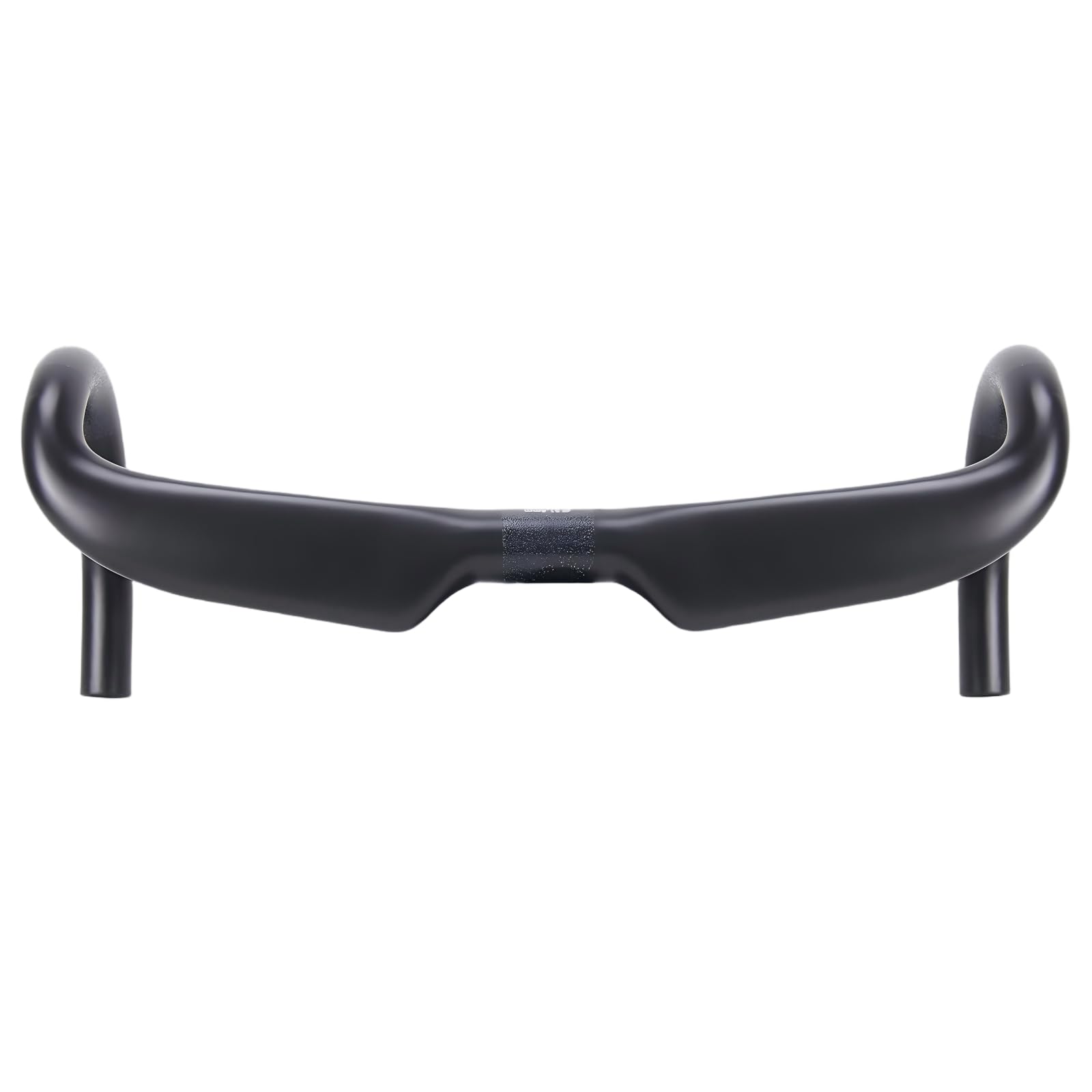
At 180g for a 42cm width, the RXL SL Aero Carbon Bars are the lightest in this roundup — a weight that undercuts most options. This bar targets weight-weenie projects where every gram matters and buyers accept that the carbon layup can snap on pothole impacts. A comfortable shape with slight flex damping improves ride feel, but the tradeoff in structural resilience makes it unsuitable for everyday road use or rough surfaces.

The flex in the drops may feel unusual under sprinting – consider if you prefer a stiffer bar for aggressive riding.

Bottom line: Only for the dedicated weight-weenie who accepts the structural risk; most riders should choose the top pick for a safer balance of weight and durability.
2

Alfa Pasca Classic Bend

Alfa Pasca Classic Bend

Classic drop fans

Our Score 9.0/10
Check Price

Worth Noting

Clamp
31.8mm
Flare
None
Weight
~270g
Routing
External
Read the full review

The Alfa Pasca Classic Bend delivers a traditional non-aero drop shape (130mm drop, 80mm reach) at a mid-range price with no negative feedback from owners. Its 270g weight and external cable routing are deliberate trade-offs for simpler setup and proven reliability. The UD matte finish resists scratches and keeps a stealthy look — unlike the glossy 3K finish of some alternatives. This bar suits riders who value appearance and a classic bend over internal routing or the lowest grams.

Bottom line: For riders who want a classic drop shape without the fuss of internal routing or chasing sub-220g weights, this is a straightforward choice with a clean track record.

3

RXL SL Flared Aero Bars

RXL SL Flared Aero Bars

Gravel/endurance riders

Our Score 8.8/10
Check Price

Worth Noting

  • Cracking may occur in some units under high stress, worth inspecting regularly.
Clamp
31.8mm
Flare
15° outward
Weight
~220g
Routing
4-hole internal
Read the full review

With a 15-degree outward flare and a compact 110mm drop, this bar offers added hand positions for endurance rides and gravel, standing out as the only flared option among our picks. It is slightly heavier and less aero than the top-pick non-flared bar, but riders who prioritize comfort over pure speed will find the trade-off favorable. Do note that internal cable routing can be time-consuming due to narrow channels, and the advertised width is at the drops — the hoods are narrower than expected.

Check the width at the hoods before buying – the flare makes the hoods narrower than the drop measurement.

Bottom line: Fair price for a flared aero bar – the compact drop and reach suit smaller frames or those wanting an aggressive position with extra hand positions.

4

RXL SL Aero Bars 4-Hole

RXL SL Aero Bars 4-Hole

Budget road cyclists

Our Score 8.6/10
Check Price

Worth Noting

  • Internal cable routing holes are tight and require patience
  • Cracking has been noted under heavy stress
Clamp
31.8mm
Flare
None
Weight
~210g
Routing
4-hole internal
Read the full review

The RXL SL Aero bars achieve a 210g weight with a flat-top aero profile that improves hand comfort on long rides. The UD matte finish and 4-hole internal routing allow a clean cockpit setup. The 127mm drop and 104mm reach suit an aggressive position, and this weight and shape compete with carbon bars costing twice as much.

Internal cable routing requires patience – the holes are tight, and a guide tool is recommended. A small number of bars have shown cracking under high stress, so visual inspection before each ride is a reasonable habit. These bars are best for budget-conscious racers and club riders comfortable with DIY setup. Heavy sprinters may feel flex in the drops, making them better suited to endurance efforts and climbing.

Run a guide wire through the frame before routing cables to avoid frustration.

Bottom line: For budget-conscious road cyclists who want a lightweight aero bar and are comfortable with finicky cable routing and regular inspections, the RXL SL delivers weight and shape that compete with bars twice the price.

5

PLATT Carbon Drop Bar

PLATT Carbon Drop Bar

Weight-conscious builders

Our Score 8.6/10
Check Price

Worth Noting

Clamp
31.8mm
Flare
None
Weight
~193g
Routing
Read the full review

The PLATT Carbon drop bar offers T700 carbon construction at just 193g (380mm) for a budget-friendly price, appealing for weight-conscious builds. However, the absence of customer feedback leaves real-world durability unverified, so this bar fits experienced riders who can assess layup quality on arrival but not those seeking a proven track record.

Bottom line: Best for experienced carbon bar users who prioritize low weight and low cost and can assess build quality on arrival.

6

Alfa Pasca 3K Aero

Alfa Pasca 3K Aero

Style-focused riders

Our Score 0.0/10
Check Price

Worth Noting

  • Pressure cracks around the stem clamp can develop under torque.
Clamp
31.8mm
Flare
None
Weight
~210g
Routing
Read the full review

The Alfa Pasca Aero bars deliver an eye-catching 3K glossy finish at a budget price. Durability concerns around the stem clamp mean they are best suited for light use or show builds, not daily riding.

Bottom line: This bar works if you are after a carbon look on a budget and can accept the risk of durability issues for intermittent use.

7

RXL SL Integrated Carbon Bar

RXL SL Integrated Carbon Bar

Integrated bar/stem fans

Our Score 0.0/10
Check Price

Worth Noting

  • Long-term durability and cable routing ease are not well-documented, introducing uncertainty.
Clamp
28.6mm
Flare
None
Weight
~360g
Routing
Integrated internal
Read the full review

The integrated bar/stem design delivers a clean cockpit with internal cable routing and a 3K glossy/matte finish for a budget-friendly price. However, customer feedback is sparse, so long-term durability and cable routing ease remain unconfirmed. This is best suited for riders who prioritize a one-piece look and are comfortable with less-established products.

Bottom line: Best for budget-conscious builders who want a clean integrated cockpit and are willing to accept some uncertainty around long-term performance.

How to Choose

Weight

A lighter bar reduces unsprung mass and can improve handling feel, but sub-200g bars often use thinner carbon layups that flex or crack under load. The sweet spot for most riders is 210-240g, where stiffness and durability are still reliable.

Ultralight bars (under 190g) appeal to weight weenies but demand frequent inspection. If you're over 75kg or ride on rough roads, a 220g bar is a safer bet without sacrificing noticeable weight savings.

Drop and Reach

Drop is the vertical distance from the top of the bar to the bottom of the drop; reach is the horizontal distance from the center of the bar to the rear of the drop. A 127mm drop with 104mm reach suits most road cyclists, while shorter drops (110mm) and reach (78mm) work better for smaller frames or endurance positions.

If your current bar feels too stretched or too low, adjust these numbers. Moving from a 130mm drop to a 110mm drop reduces the gap to the hoods by about 20mm — a meaningful change for long rides.

Clamp Diameter

The clamp diameter must match your stem. Almost all modern road stems use 31.8mm, but some integrated bar/stem combos use a 28.6mm steerer clamp at the stem. Verify before buying to avoid a return. A mismatch can cause slippage or damage.

Internal Routing

Internal cable routing hides brake and shift cables inside the bar for a clean look, but budget carbon bars often have poorly finished holes that make threading cables a struggle. Expect to need a routing kit and patience. Some bars ship with blocked or misaligned holes; check customer photos before ordering if ease of build matters.

If you prefer simpler maintenance, a bar with external routing (like the Alfa Pasca classic bend) avoids these headaches entirely.

Flare

An outward flare widens the drops for more hand positions and stability on loose surfaces, but it also means the hoods are narrower than the advertised width. A 400mm flared bar might measure 380mm at the hoods. Measure your shoulder width and current hood position before deciding. Flared bars are ideal for gravel and endurance riding, not for pure road racing where aerodynamics at the hoods matter more.

Frequently Asked Questions