Components

4 Best Road Bike Pedals 2026: Avoid Fakes, Right Cleat System

Which clipless road pedals deliver reliable performance without counterfeit risks and cleat compatibility headaches.

Choosing clipless road pedals involves more than picking a price point. The two major systems — Shimano SPD-SL and LOOK Keo — require different cleats, and mismatching can strand you mid-ride if you don't have spares. Add the growing problem of counterfeit Shimano pedals sold by third-party sellers, and a bargain buy can become a safety gamble.

This guide helps you avoid those pitfalls. It presents pedals with proven reliability in entry/exit mechanics, bearing smoothness, and compatibility with your existing shoes. Each pick is matched to a specific rider profile, from first-time clipless users to performance-focused enthusiasts who want the most durable bearings.

The focus is on real-world trade-offs: weight vs. durability, budget vs. long-term value, and system compatibility. You won't find hype here — just straightforward guidance to get the pedal that fits your riding life.

1

Shimano 105 PD-R7000

Top Pick
Shimano 105 PD-R7000

Performance on budget

Our Score 9.6/10
Check Price

Worth Noting

  • Bearing smoothness falls short of Ultegra and Dura-Ace
Weight
265g (pair)
Cleat System
SPD-SL (3-bolt)
Tension Adjustability
Adjustable spring tension
Read the full review

At 265g per pair, the PD-R7000 is one of the lightest pedals you can buy at a mid-range price. The carbon composite body drops weight without sacrificing stiffness, and the adjustable SPD-SL cleat system clips in and out with the same positive engagement found on Shimano's pricier models.

This pedal is built for performance-minded riders who want race-ready features without spending Ultegra money. The bearing smoothness is good for the price – it won't match top-tier Shimano groupsets, but the difference matters mainly during sustained high-cadence efforts. One important caution: counterfeit copies are sold by unauthorized sellers, so stick with an authorized dealer for peace of mind.

Counterfeit copies are sold by third-party sellers – always purchase from an authorized Shimano dealer to ensure genuine product.

Bottom line: For cyclists who want race-ready weight without the Ultegra price tag, the PD-R7000 hits the sweet spot. Just buy from an authorized dealer to avoid counterfeits.

2

Shimano Ultegra PD-R8000

Shimano Ultegra PD-R8000

High-mileage enthusiasts

Our Score 9.6/10
Check Price

Worth Noting

  • Higher cost compared to the 105 without a clear performance gain for lower-mileage riders
  • Occasional tight bearings from the factory that can cause uneven spin until adjusted
Weight
450g (pair)
Cleat System
SPD-SL (3-bolt)
Tension Adjustability
Adjustable release tension
Read the full review

The Ultegra pedal uses higher-grade bearings and a more robust axle than the 105, resulting in smoother spin and greater durability under heavy miles. The premium cost is a real barrier for casual riders, and some units may ship with overly tight bearings that require a preload adjustment. This pedal is best for high-mileage enthusiasts who expect years of service and are willing to pay for it.

If the pedal feels stiff out of the box, loosen the bearing preload nut slightly for smoother rotation.

Bottom line: For riders who log serious miles and want a pedal that lasts, the Ultegra is worth the investment. Those riding fewer hours will find the 105 a smarter buy.

3

Shimano PD-RS500

Shimano PD-RS500

Budget-conscious beginners

Our Score 9.4/10
Check Price

Worth Noting

  • Heavier than premium pedals at 500g per pair; performance riders will notice the added weight
  • Included cleats may wear out faster than aftermarket replacements
Weight
500g (pair)
Cleat System
SPD-SL (3-bolt)
Tension Adjustability
Adjustable spring tension
Read the full review

The cheapest way into SPD-SL clipless road pedals, with the smoothest clip-in action for newcomers. The PD-RS500 prioritizes affordability over low weight and long-lasting cleats — at 500g per pair it's heavy for performance riding, and the included cleats can wear faster than premium models. This suits budget-conscious beginners, recreational riders, and indoor trainer use who want a dependable clipless system without overspending.

The included cleats wear faster than aftermarket options; budget-conscious riders may want to stock a spare pair early on.

Bottom line: The PD-RS500 fits riders who want a dependable clipless setup without paying for grams saved or cleats that last seasons.

4

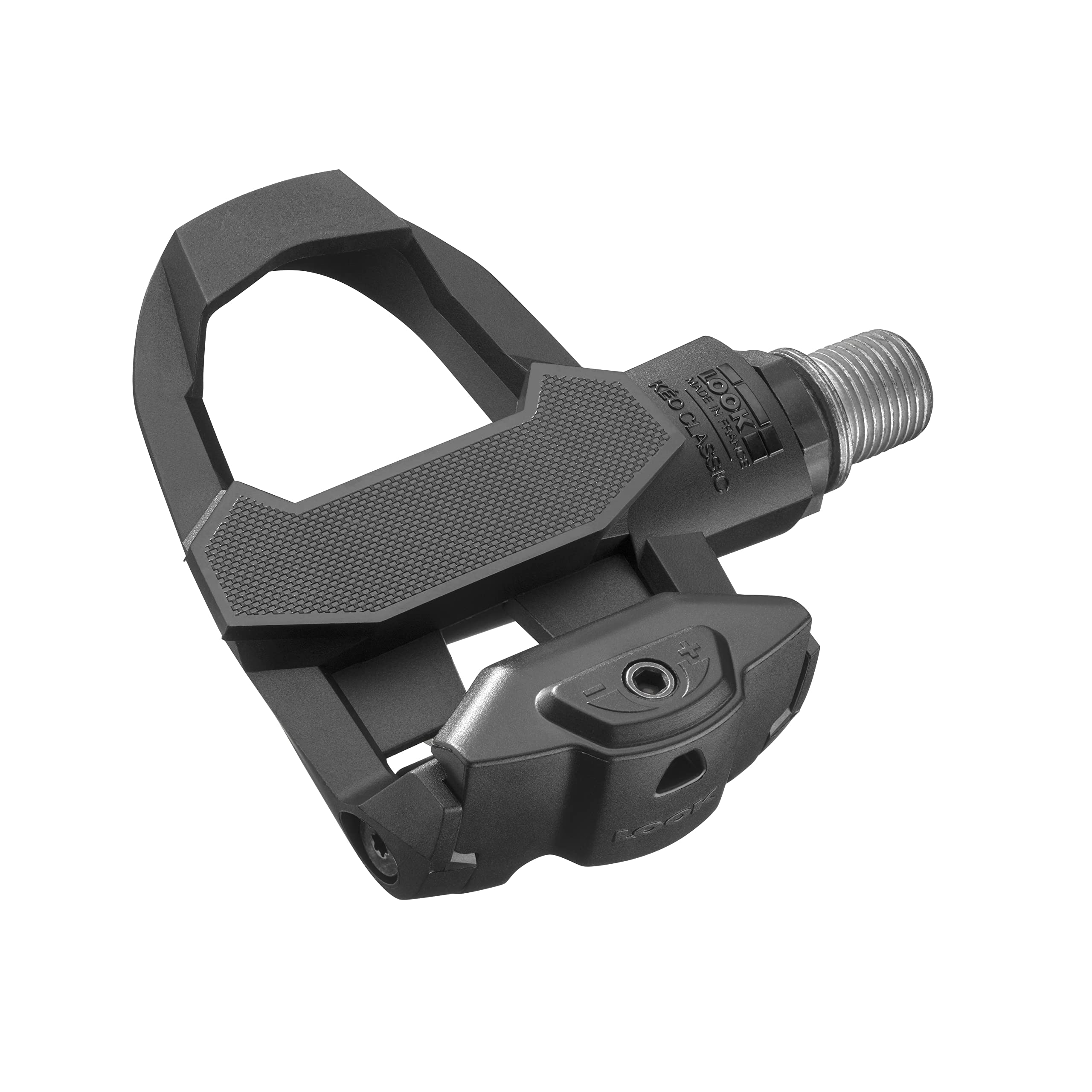
LOOK Keo Classic 3

LOOK Keo Classic 3

Style-conscious riders

Our Score 9.2/10
Check Price

Worth Noting

  • Tension adjustment may not adjust release force as expected
Weight
350g (pair)
Cleat System
LOOK Keo (3-bolt)
Tension Adjustability
Adjustable 8-12
Read the full review

At 350g per pair, these pedals undercut many entry-level models in weight while sporting a clean composite body. They pair naturally with the LOOK Keo cleat system popular among road cyclists. However, clipping out can be inconsistent for some riders, and the lowest tension setting may still require more effort than expected. Best for casual road cyclists who prioritize aesthetics and light weight over predictable clip-out behavior.

Set tension to the lowest setting before first ride — the adjustment dial may not alter release effort.

Bottom line: Suits casual road cyclists who value weight and aesthetics over consistent clip-out; consider the top pick if predictable release is critical.

How to Choose

Weight

Weight per pair ranges from 260g to over 500g. Lighter pedals often use carbon composite bodies or hollow spindles, saving grams that matter on climbs but costing more. The trade-off: lighter pedals may have shorter spindle durability under heavy sprint loads.

For most recreational riders, the weight difference between a 350g and 500g pedal is negligible during a typical ride. Performance-oriented cyclists doing hill repeats or racing will notice the savings. Focus on bearing smoothness and platform feel before obsessing over grams.

Cleat System Compatibility

Shimano SPD-SL and LOOK Keo use different three-bolt patterns and cleat shapes. They are not interchangeable. If your shoes have a three-bolt pattern, they likely accept both — but you must buy the matching cleats for your pedal. Many shoes are dual-compatible, but some are specific to one system.

SPD-SL cleats are wider and generally more stable for power transfer, while LOOK Keo cleats are slightly smaller and lighter. Neither is inherently better, but once you invest in one system, switching means new cleats (and possibly new shoes if the pattern is incompatible).

Tension Adjustability

Adjustable spring tension lets you set how much force is needed to clip in and out. Lower tension helps beginners release easily; higher tension prevents accidental unclipping during hard efforts. However, on some LOOK pedals, the adjustment has little real effect — a known frustration.

Shimano pedals generally offer reliable and consistent tension adjustment across their range. Test the lowest tension setting first, then increase gradually. If you have knee issues, start low to avoid overstressing the joint during hard pulls.

Bearing Quality and Smoothness

Bearings determine how freely the pedal spins and how long it lasts. Sealed cartridge bearings resist water and grit better than cup-and-cone designs, lasting thousands of miles without maintenance. Shimano Ultegra and Dura-Ace use high-grade sealed bearings; the 105 uses a similar but slightly less refined setup.

A pedal that feels gritty or rough out of the box may have overtight bearings. Some top-tier models (like the Ultegra) occasionally arrive with preload issues that cause uneven spin — this is fixable with a simple adjustment. For most riders, smoothness at the start and after a year of use is the real test.

Platform Size

A larger platform distributes foot pressure more evenly, reducing hot spots on long rides. LOOK Keo 2 Max offers a 500 mm² platform, while the Classic 3 has 400 mm². Shimano SPD-SL pedals use a wide cleat interface that effectively spreads load without a huge pedal body.

Riders with larger feet or those prone to foot numbness benefit from a bigger platform. But platform size alone doesn't guarantee comfort — shoe sole stiffness and cleat position matter equally. For most, the standard SPD-SL platform is sufficient.

Frequently Asked Questions