Cycling Apparel

10 Best Cycling Arm Warmers of 2026: Stay-Put Fit for Every Ride

Find cycling arm warmers that actually stay up and keep you warm without slipping or overheating. From budget to cold-weather, match your ride conditions.

Arm warmers are the kind of gear that you only notice when they don't work. A pair that slides down mid-ride, bunches at the wrist, or leaves you shivering after a descent can ruin an otherwise good morning on the bike. The fix is rarely about spending more — it's about picking the right construction for the conditions and your arm shape.

The market is split between lightweight sleeves for spring and fall, fleece-lined options for winter, and budget packs that promise a lot but often come up short in fit. The real differentiators are silicone grippers, sleeve length, and fabric density — not brand logos or glossy marketing. This guide cuts through the noise by focusing on what hundreds of riders have confirmed works in real rides, from chilly dawns to drizzly gravel routes.

Whether you're chasing a spring PR or grinding through winter base miles, the right pair stays in place, breathes when you heat up, and provides just enough insulation without turning your arms into sweat bags.

1

GripGrab Spring Autumn

Top Pick
GripGrab Spring Autumn

Spring and fall

Our Score 9.2/10
Check Price

Worth Noting

  • Reflective elements are minimal
  • Thin fabric lacks insulation for temperatures below 40°F
Read the full review

The GripGrab arm warmers use a breathable fabric and a pre-curved design that disappears on the bike — no bunching, no riding up, even during aggressive efforts. The fit is secure without constriction, and the thin construction provides enough warmth for cool morning starts without overheating as the day warms up.

These are best for spring and fall cyclists who prioritize fit and breathability over heavy insulation. They suit road, gravel, and mountain bikers moving in the 45°F to 65°F range.

Bottom line: For transitional season riding, the GripGrab delivers a no-compromise fit and breathable warmth at a fair price.

2

New Balance Arm Sleeves

New Balance Arm Sleeves

Sun protection

Our Score 9.2/10
Check Price

Worth Noting

  • Fit can be loose on thinner arms and dark prints may stain lighter fabric
Read the full review

These sleeves are a popular choice for sun protection and mild-weather rides, offering a comfortable fit that stays in place during activity. They provide light compression and good value for a name-brand piece of gear.

Best for casual riders in mild conditions or those seeking UV coverage rather than insulation. This pair is not designed as a thermal warmer and will not provide sufficient warmth for cool to cold cycling.

Bottom line: A budget-friendly option for mild-weather riders who need sun coverage and a light layer, but not a replacement for thermal arm warmers in cool conditions.

3

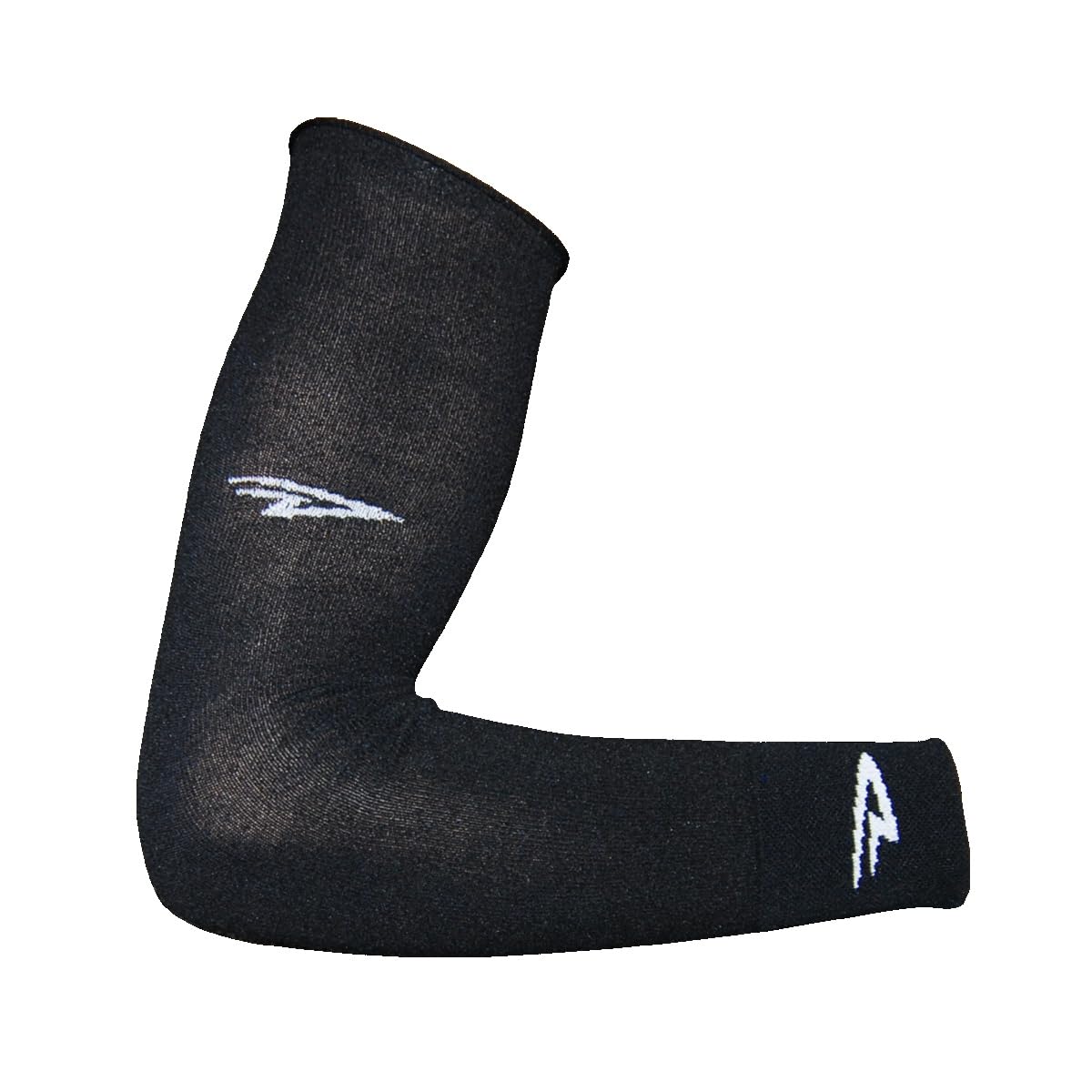
DeFeet Armskin

DeFeet Armskin

Budget, US-made

Our Score 9.0/10
Check Price

Worth Noting

  • May roll at the shoulder or feel tight on riders with larger biceps.
Read the full review

The DeFeet Armskin uses Coolmax EcoMade fabric to pull moisture away from the skin and has held up across multiple seasons of riding. This makes it a durable option for cool conditions between 40-55°F, though it lacks the near-universal fit of the top pick. Riders with average arm builds and a preference for sustainable materials will find consistent warmth and breathability here. The occasional shoulder rolling or tightness on larger arms means it's not a sure bet for everyone — try them on before committing if your biceps are on the bigger side.

Try them on with your cycling jersey to check shoulder fit before wearing on a long ride.

Bottom line: A solid choice for riders who prioritize durability and eco-friendly materials over a guaranteed no-slip fit.

4

GripGrab Winter

GripGrab Winter

Cold weather

Our Score 9.0/10
Check Price

Worth Noting

Read the full review

Brushed fleece interior and silicone grippers deliver warmth and security that stays put on rides below 50°F. The pre-contoured cut and breathable fabric keep comfort high even during effort, while reflective details add visibility. This is a dedicated cold-weather warmer – not a transitional piece – best for temperatures between 35°F and 50°F. Riders who primarily ride in milder conditions should look at the lighter GripGrab Spring Autumn instead.

Reserve these for rides below 50°F – they generate too much heat for milder days.

Bottom line: For cyclists who need arm warmers that work consistently in cold weather and stay exactly where they’re put, this is a well-executed option.

5

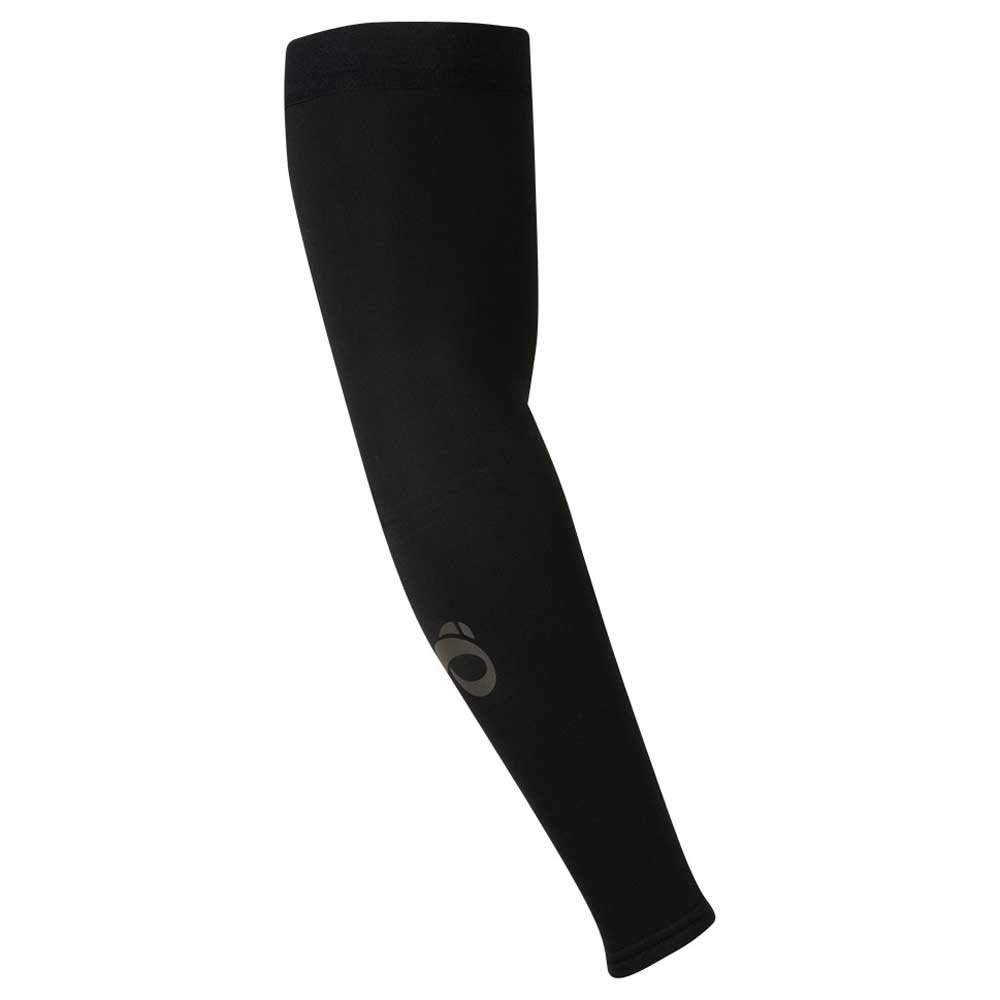
Pearl Izumi Thermal

Pearl Izumi Thermal

Slim arms only

Our Score 9.0/10
Check Price

Worth Noting

  • Fit in the bicep and wrist area can be tight; sizing up is worth considering
Read the full review

Good warmth and water resistance for cool, damp rides, backed by quality materials. The tight bicep and wrist fit means sizing up helps, though it still suits slim-armed cyclists best — for average or larger arms, alternatives like the lightweight transitional warmer are a better choice.

Bottom line: Best for cyclists with slim arms who need warmth and water resistance on cool, damp rides — not a universal fit.

6

GOREWEAR Shield

GOREWEAR Shield

Wind-resistant seekers

Our Score 8.8/10
Check Price

Worth Noting

  • Wind resistance performance lacks buyer verification, leaving claims unconfirmed.
Read the full review

GOREWEAR Shield arm warmers use a fabric that may block wind, offering potential warmth for chilly, breezy rides. The unisex fit and mid-range price make them accessible. However, without any verified buyer feedback on wind resistance or fit, the advertised advantage remains unconfirmed — better to consider models with confirmed performance.

Bottom line: If you're willing to test the wind-resistance claims yourself and don't rely on others' experiences, these may suit a cool, windy ride.

7

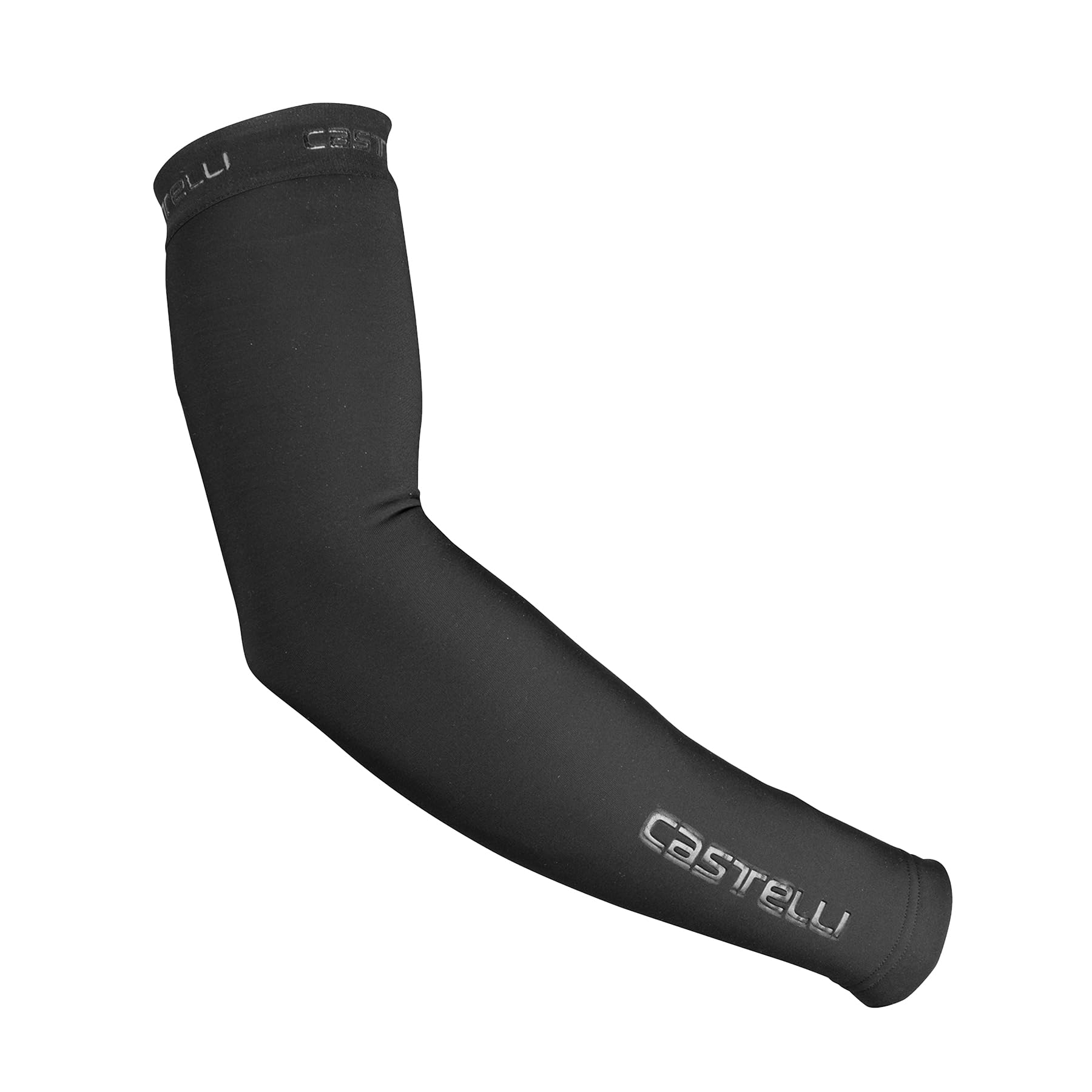
Castelli Thermoflex 2

Castelli Thermoflex 2

Castelli warmth seekers

Our Score 8.8/10
Check Price

Worth Noting

  • Warmth level cannot be confirmed without substantial user feedback
Read the full review

The Thermoflex 2 uses a brushed inner fabric for extra warmth in cool to cold conditions, and silicone grippers help keep them in place. However, with limited real-world feedback, the warmth claim remains unverified, making it a harder sell against similarly priced GripGrab options that have broader buyer validation.

Bottom line: Only consider this if you trust Castelli's design ethos more than verified community data and need a warmer option than the brand's own seamless model.

8

Skylety 4-Pack

Skylety 4-Pack

Budget multi-pack

Our Score 8.8/10
Check Price

Worth Noting

  • Sizing can be too snug, and the thin material is not meant for cold weather
Read the full review

The Skylety pack delivers four pairs at an unbeatable price, making them a cost-effective choice for mild days above 50°F. The fabric offers decent wind resistance for light activity, but the thin construction and tight fit mean cold-weather cyclists or larger-armed riders should look elsewhere.

Bottom line: Best for riders on a tight budget who need multiple backup arm warmers for temperatures above 50°F.

9

ROCKBROS Thermal

ROCKBROS Thermal

Budget, average arms

Our Score 8.6/10
Check Price

Worth Noting

  • Fit is unpredictable
Read the full review

The ROCKBROS Thermal Arm Warmer delivers effective warmth for chilly rides at an entry-level price point. Its fabric is comfortable and holds up well over multiple seasons, but the fit can be hit-or-miss — sleeves may run short or feel loose in the upper arm. This makes it a reasonable option for cyclists with average arm proportions who want an affordable layer for fall or early spring. Those with longer arms or specific fit requirements will need to look elsewhere.

Bottom line: A cost-effective thermal warmer for average-armed cyclists, as long as you accept the sizing gamble.

10

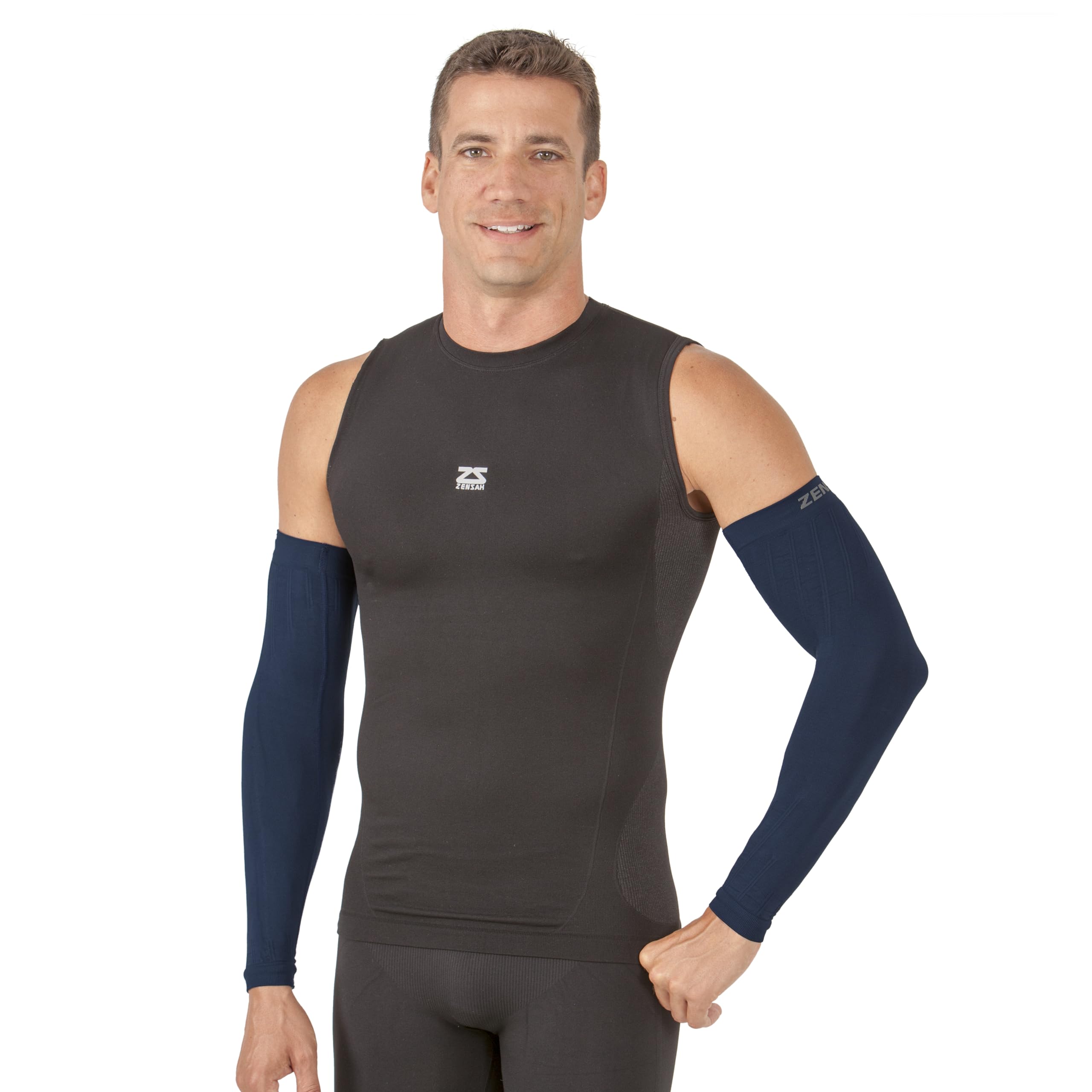
Zensah Compression

Zensah Compression

UV protection

Our Score 8.6/10
Check Price

Worth Noting

  • Compression level may be lighter than expected for those seeking firm support.
Read the full review

Zensah's compression sleeves offer light support that improves circulation and full UV coverage for sunny rides. But the light fabric provides little thermal insulation, making it unsuitable for cool-weather cycling where warmth is needed. Best for runners and cyclists focused on sun protection and mild compression rather than warmth.

Bottom line: A good pick for warm-weather riders who want sun protection and circulation aid, but not cold-weather cycling.

How to Choose

Warmth Level

Arm warmers fall into two camps: lightweight breathable sleeves for 50-60°F and fleece-lined thermal options for below 50°F. Lightweight versions rely on a thin, stretchy fabric that blocks a light breeze but won't hold up on a freezing descent. Fleece-lined warmers trap a layer of air against the skin, which provides noticeable insulation but can overheat you if the temperature climbs above 55°F.

The hidden trade-off is that 'thermal' doesn't guarantee wind resistance. On a windy day, a fleece sleeve can feel cold as the wind cuts through the fibers. Look for a windproof outer layer or a DWR coating if you ride in exposed, gusty conditions.

Fit Reliability

Silicone grippers at the bicep are the single most effective anti-slip feature. They create friction against the jersey sleeve without digging in. An alternative is a wide elastic band, but that tends to lose grip after a few washes. Sleeve length matters just as much — if the warmer is too short, it will ride up and leave a gap between the glove and the cuff.

Some riders prefer thumb holes to anchor the sleeve, but these can create chafing if the fit is too tight or restrict movement on long rides. The best fit is one that you forget about five minutes after pulling them on.

Material Breathability

Sweat management separates a comfortable arm warmer from a clammy one. Lightweight models made from polyester-spandex blends or Coolmax wick moisture quickly and dry fast during a rest stop. Fleece-lined options trade some breathability for warmth — they'll feel damp if you push hard on a climb.

The underlying principle is that moisture-wicking performance depends on the fabric's knit structure, not just the fiber content. A dense knit traps heat and moisture, while an open knit loses heat faster. Riders who start cold and warm up during the ride should prioritize breathability over pure warmth.

Reflective Elements

Reflective logos or piping are common on road-focused warmers, but their actual visibility depends on surface area and placement. A small reflective stripe on the back of the bicep is visible from behind, while lateral panels on the forearm catch side traffic. If you ride before dawn or after dusk, look for reflective details that cover at least two angles.

The limitation is that reflective coatings can peel or fade after repeated washing. Silicone-based reflective prints last longer than simple fabric overlays. For serious low-light safety, pair arm warmers with a lightweight reflective vest or ankle bands.

Durability

Seam construction is the primary failure point. Flatlock seams reduce chafing and are less likely to pop under tension. Overlocked seams are cheaper but can unravel after a season of use. The cuff edge is another weak spot — a loose or fraying hem will cause the sleeve to curl up.

Durability also hinges on how the fabric handles repeated washing. Most arm warmers can be machine-washed cold and hung to dry. Heat from dryers degrades elastic fibers, so air-drying extends the lifespan by at least a year.

Ease of Care

Arm warmers collect road grime, sweat, and sunscreen quickly. Polyester blends are generally easy to clean and resist odor better than pure nylon. Brushed fleece interiors can pill after several washes if not washed inside out.

The common annoyance is that logos and reflective prints may crack or rub off over time. Turning the warmers inside out before washing protects the prints. Avoid fabric softeners as they clog the moisture-wicking pores.

Frequently Asked Questions