Cycling Apparel

13 Best Cycling Base Layer of 2026: Match Your Ride and Climate

Find the right cycling base layer for your rides - whether you need a padded liner or a breathable top, for cold or hot weather.

Searching for a cycling base layer often leads to confusion: many products sold as 'base layers' are actually padded liners for bike shorts, while others are simple tops. The wrong choice can mean chafing on a long ride or sweating through a cold commute.

This guide cuts through that split by focusing on what you actually need under your jersey or shorts. Whether you want a chamois for saddle comfort, merino warmth for winter mornings, or a mesh layer to beat summer heat, the right fit and fabric make the difference between a good ride and a miserable one.

The key is matching the garment to your ride length, climate, and material preference - not just buying the cheapest or most popular option.

1

MERIWOOL Merino Pants

Top Pick
MERIWOOL Merino Pants

Merino leggings only

Our Score 9.4/10
Check Price

Worth Noting

  • Holes may appear in the knee area after extended use
Fit
Slim
Material
100% Merino wool
Read the full review

These merino leggings deliver impressive warmth and softness at a mid-range price, making them a strong choice for cold-weather cyclists. However, they are bottoms only and some users note holes in the knees after months of use - a tradeoff to accept for the cost savings versus a full merino set.

Bottom line: Ideal for cyclists who want budget-friendly merino warmth for cold commutes and are comfortable with potential durability tradeoffs.

2

Merino.tech Merino Wool Set

Merino.tech Merino Wool Set

Cold-weather commuter

Our Score 9.2/10
Check Price

Worth Noting

  • Wool may develop holes in elbows and knees after about 10 uses
Fit
Athletic
Material
100% Merino wool
Read the full review

The Merino.tech set bundles a long-sleeve top, bottom, and socks in three weight options, making it a convenient one-stop for winter riders who want natural temperature regulation and odor resistance. The 100% merino wool is noticeably soft against the skin — no itch — and breathes well enough to prevent overheating during moderate exertion.

This set suits commuter and casual cyclists who ride in cold weather and prefer a natural fiber over synthetic layers. The durability tradeoff is real: the wool can develop holes in high-friction areas like elbows and knees after limited use. Riders who wash gear frequently or log high weekly mileage should look to the baleaf liner or a synthetic alternative for longer life.

Wash on a gentle cycle and air dry to minimize wear on high-friction seams.

Bottom line: For cold-weather commuters who value merino's comfort and odor control over longevity, this set delivers — just plan for a shorter lifespan than synthetic layers.

3

Gore Windstopper Turtleneck

Gore Windstopper Turtleneck

Winter road cycling

Our Score 9.2/10
Check Price

Worth Noting

  • Sizing runs small
  • Limited to cold-weather use
Fit
Comfort fit
Material
100% Polyester with Windstopper
Read the full review

The Gore Windstopper Turtleneck uses a wind-blocking front panel and high collar to keep cold drafts off the neck and chest during winter rides. This differentiates it from the sleeveless Gore tank, which offers similar wind protection but lacks the turtleneck seal. It works well across a range of cool temperatures, from brisk 60-degree days to colder winter mornings. Sizing runs small, so ordering one size up is recommended. This base layer is not suitable for warm or mild weather, as the insulation becomes too much.

Order one size larger than your usual size for a comfortable fit.

Bottom line: Ideal for cyclists who ride in cold, windy conditions and need a turtleneck to seal drafts. Order one size up.

4

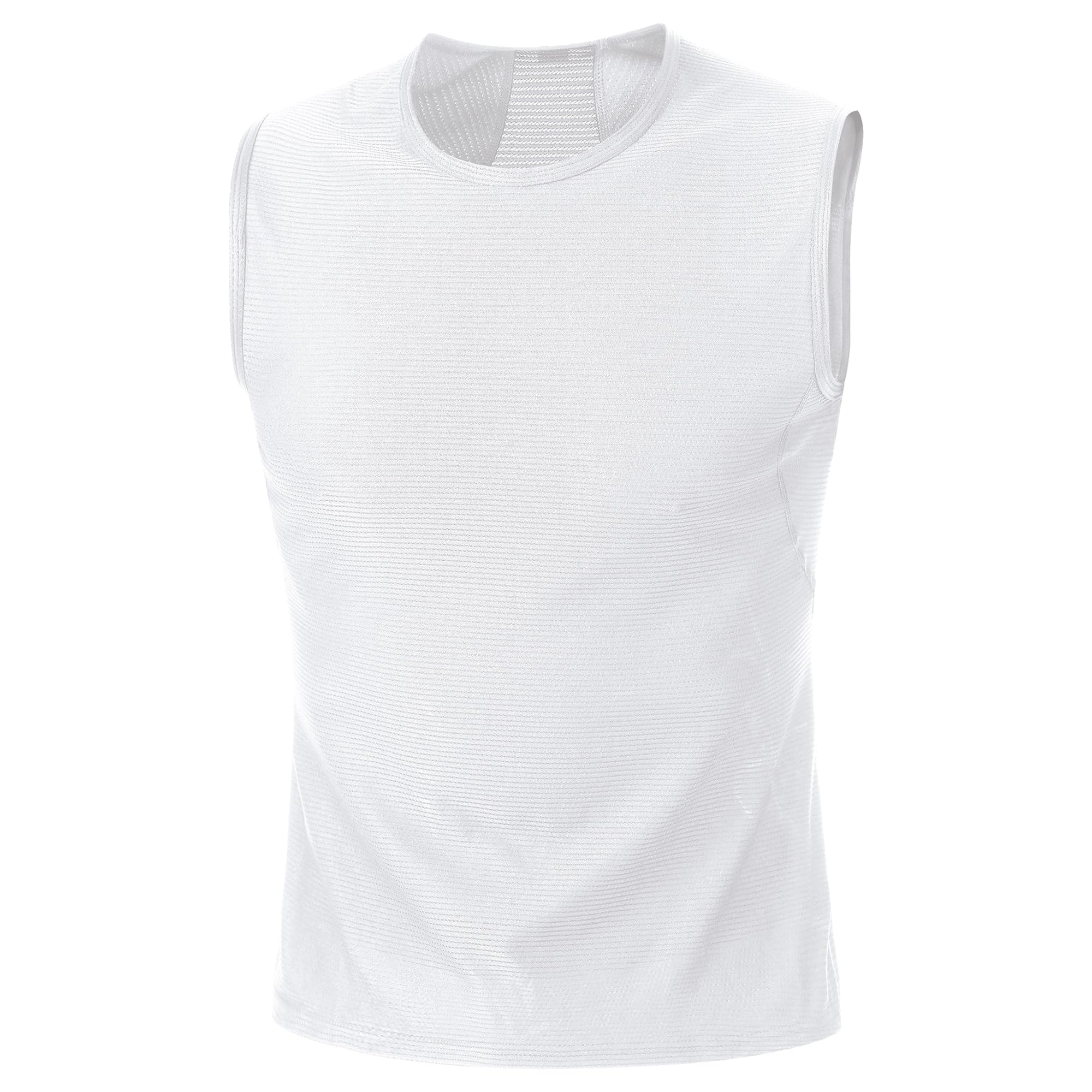
Gore Windstopper Base Layer

Gore Windstopper Base Layer

Wind protection tank

Our Score 9.2/10
Check Price

Worth Noting

  • Sleeveless design reduces adaptability for colder rides needing arm insulation
Fit
Slim
Material
Polyester with Windstopper front
Read the full review

The Gore Windstopper front panel effectively blocks wind during chilly rides, and the breathable back keeps moisture from building up. However, the sleeveless design limits its versatility: you’ll need arm coverage for colder conditions, and it’s best paired with a jacket or worn in mild weather when wind protection matters more than full coverage.

Bottom line: Fits best when front wind protection matters more than full arm coverage — a targeted layer for cool, windy commutes rather than an all-weather base.

5

Gore Men's Base Layer

Gore Men's Base Layer

Basic cycling top

Our Score 9.2/10
Check Price

Worth Noting

  • Buyers wanting anti-odor or mesh ventilation will need to look elsewhere
Fit
Slim
Material
Polyester blend
Read the full review

The Gore Men's Base Layer delivers effective moisture wicking and thermal regulation for cool-weather rides. It lacks standout features found in similar-priced competitors, making it a straightforward option for cyclists who prioritize brand familiarity over added functionality.

Bottom line: A straightforward choice for cyclists who value brand consistency over extra features and don't need anti-odor or mesh panels.

6

HH Lifa Stripe Crew

HH Lifa Stripe Crew

Multi-sport cool weather

Our Score 9.0/10
Check Price

Worth Noting

  • Sizing runs small
Fit
Slim
Material
Polyester (Lifa)
Read the full review

The Helly Hansen Lifa Stripe Crew pulls sweat away efficiently during cool-weather cycling, thanks to its Lifa polyester construction. However, the slim fit runs small — ordering up is necessary for many cyclists. Some users also notice seam fraying after repeated use, so this layer suits riders who are careful with sizing and don't expect heavy-duty longevity.

Bottom line: Best suited for cyclists who want a reliable moisture-wicking layer for mild-to-cool rides and are willing to size up to avoid a tight fit.

7

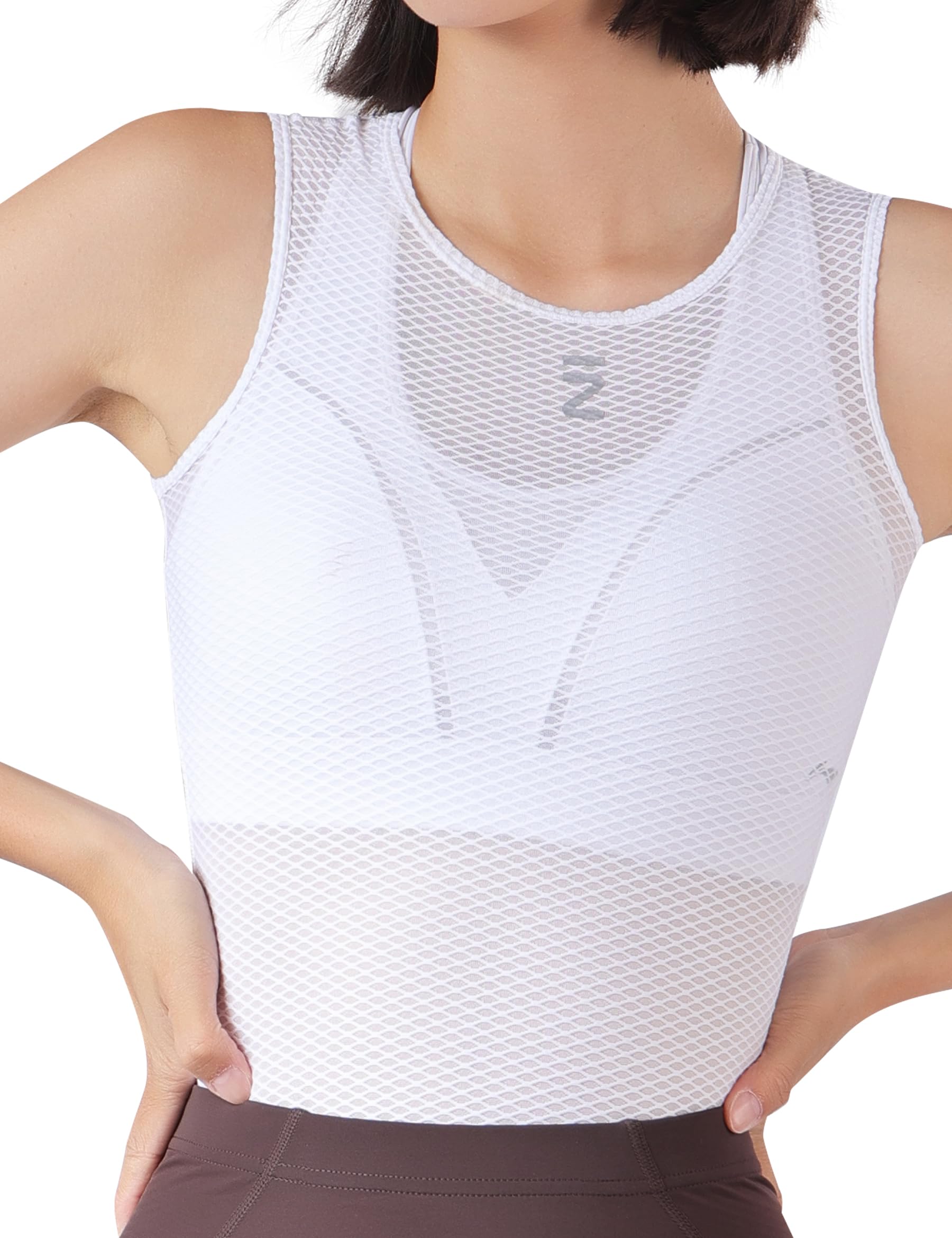
INBIKE Women's Cycling Vest

INBIKE Women's Cycling Vest

Women's budget vest

Our Score 9.0/10
Check Price

Worth Noting

Fit
Slim
Material
Polyester blend
Read the full review

The INBIKE Women's Cycling Vest offers a budget-friendly polyester blend that wicks moisture effectively for hot rides. Its slim fit works well under a jersey, but fit and longevity have not been thoroughly vetted across a wide user base — making it a speculative choice for those who need a dependable layer season after season.

Bottom line: Worth a try if you're new to cycling and don't mind some uncertainty around fit and durability; not ideal for riders wanting a proven long-term piece.

8

baleaf 3D Padded Bike Liner

baleaf 3D Padded Bike Liner

Recreational/commuter liner

Our Score 8.8/10
Check Price

Worth Noting

  • Short inseam (~5 inches) can cause the leg hem to ride up during pedaling, especially for riders with larger thighs.
  • The chamois may feel too thin for longer rides on rough terrain.
Fit
Material
Polyester/Spandex blend
Read the full review

The polyester-spandex fabric efficiently pulls sweat away, keeping skin dry during warm rides. The 3D chamois provides enough padding for 10-30 mile trips, with some riders finding it suitable for 50-mile days without discomfort. The material blend offers a good balance of stretch and breathability, making it comfortable for all-day wear.

This liner suits budget-conscious commuters and recreational riders who want a padded base layer without spending on premium bibs. It fits well under baggy shorts for loops and daily commutes. Riders who need longer leg coverage or thicker padding for rough gravel should look at options with silicone grippers or a denser chamois.

If leg ride-up occurs, try wearing longer outer shorts or sizing up for a better fit.

Bottom line: A smart buy for casual cyclists who value moisture management and saddle comfort without the premium price tag.

9

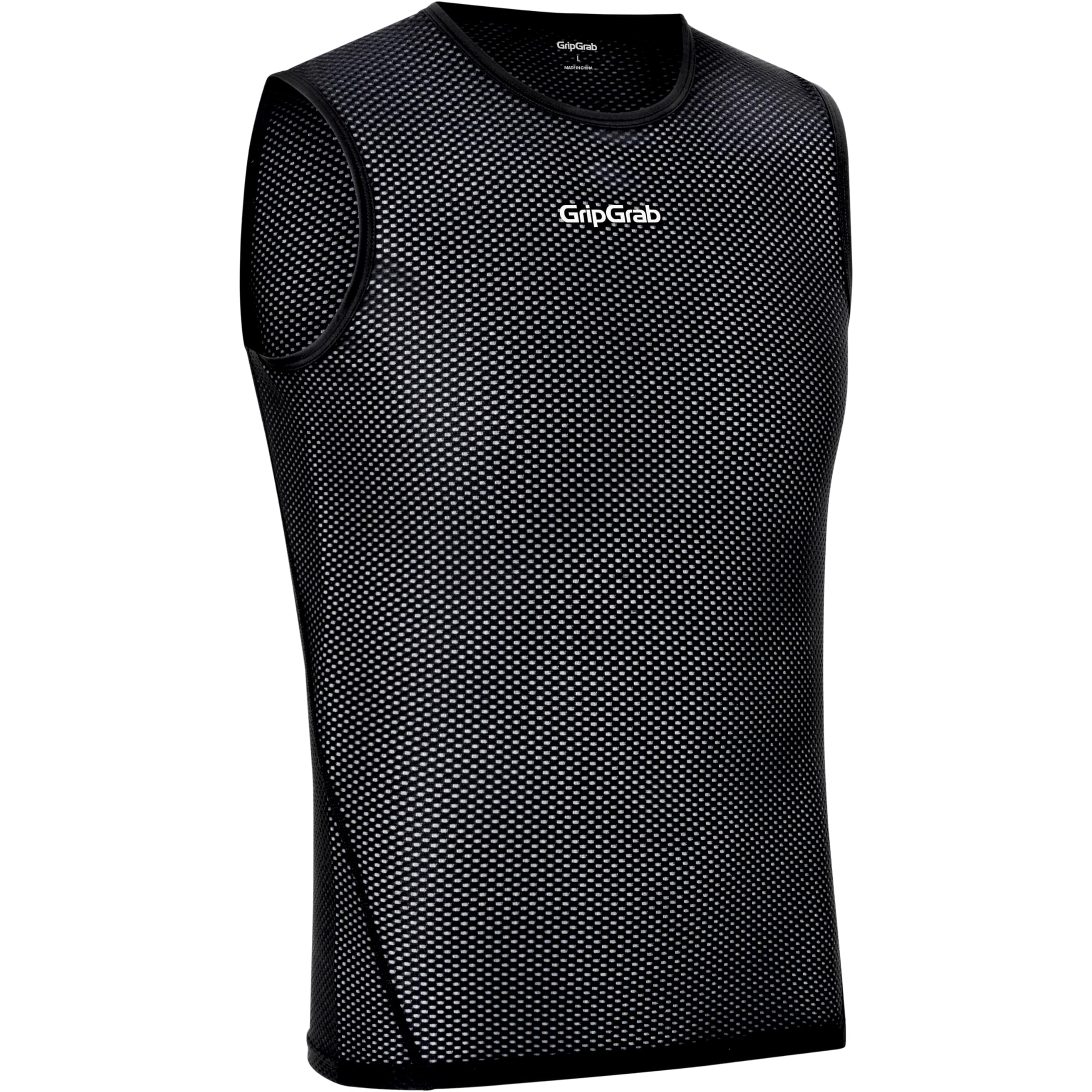
GripGrab Mesh Base Layer

GripGrab Mesh Base Layer

Hot summer road

Our Score 8.8/10
Check Price

Worth Noting

  • Race fit is very snug
Fit
Race fit
Material
Polyester open-weave mesh
Read the full review

Unlike budget mesh tanks that simply wick sweat, the GripGrab uses an open-weave structure to actively circulate air, paired with Polygiene treatment that stalls odor across multiple rides. The tradeoff is a very tight race cut — riders with a slim build get a secure second-skin feel, while those with broader shoulders or a preference for relaxed fit will find it restrictive.

If you are between sizes, the mesh has minimal stretch — try sizing up for a less compressive fit.

Bottom line: Best for dedicated cyclists who ride hard in summer heat and prioritize breathability and odor control over versatility of fit.

10

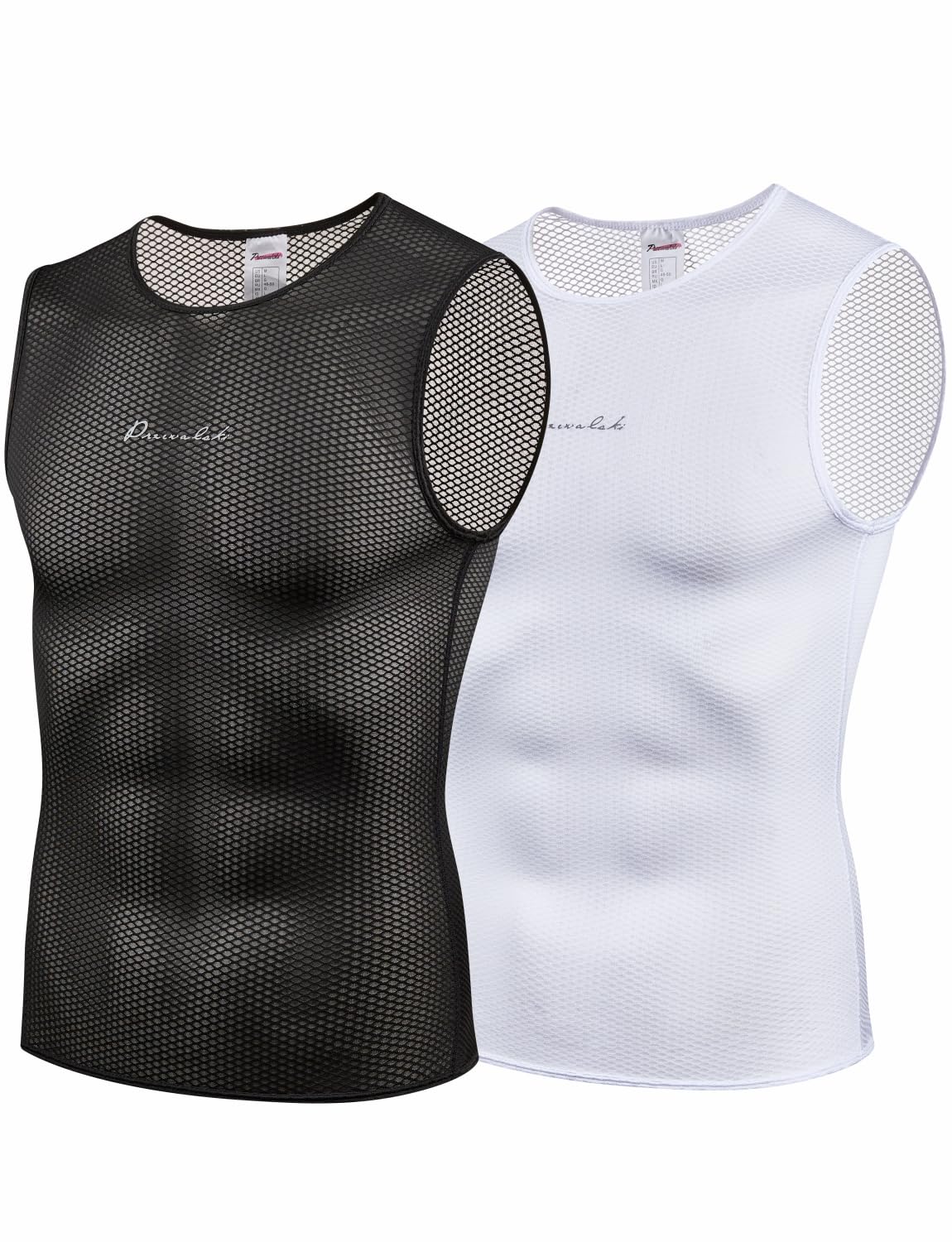
Przewalski Sleeveless Base Layer

Przewalski Sleeveless Base Layer

Budget 2-pack tops

Our Score 8.8/10
Check Price

Worth Noting

  • Sizing runs small through the chest and shoulders.
Fit
Stretch fit
Material
95% Polyester, 5% Spandex
Read the full review

The two-pack format offers genuine cost savings for cyclists who go through base layers quickly during summer rides. It works best for riders who prioritize moisture-wicking over warmth — the open mesh fabric keeps skin dry in hot conditions, but offers no insulation for cooler days. The cut runs snug through the chest and shoulders; those with broader builds or who prefer a looser fit should consider sizing up.

Order one size up if you prefer a relaxed fit or have broader shoulders.

Bottom line: For summer cyclists who want a breathable backup layer without overspending, this two-pack delivers. Just confirm your size before ordering.

11

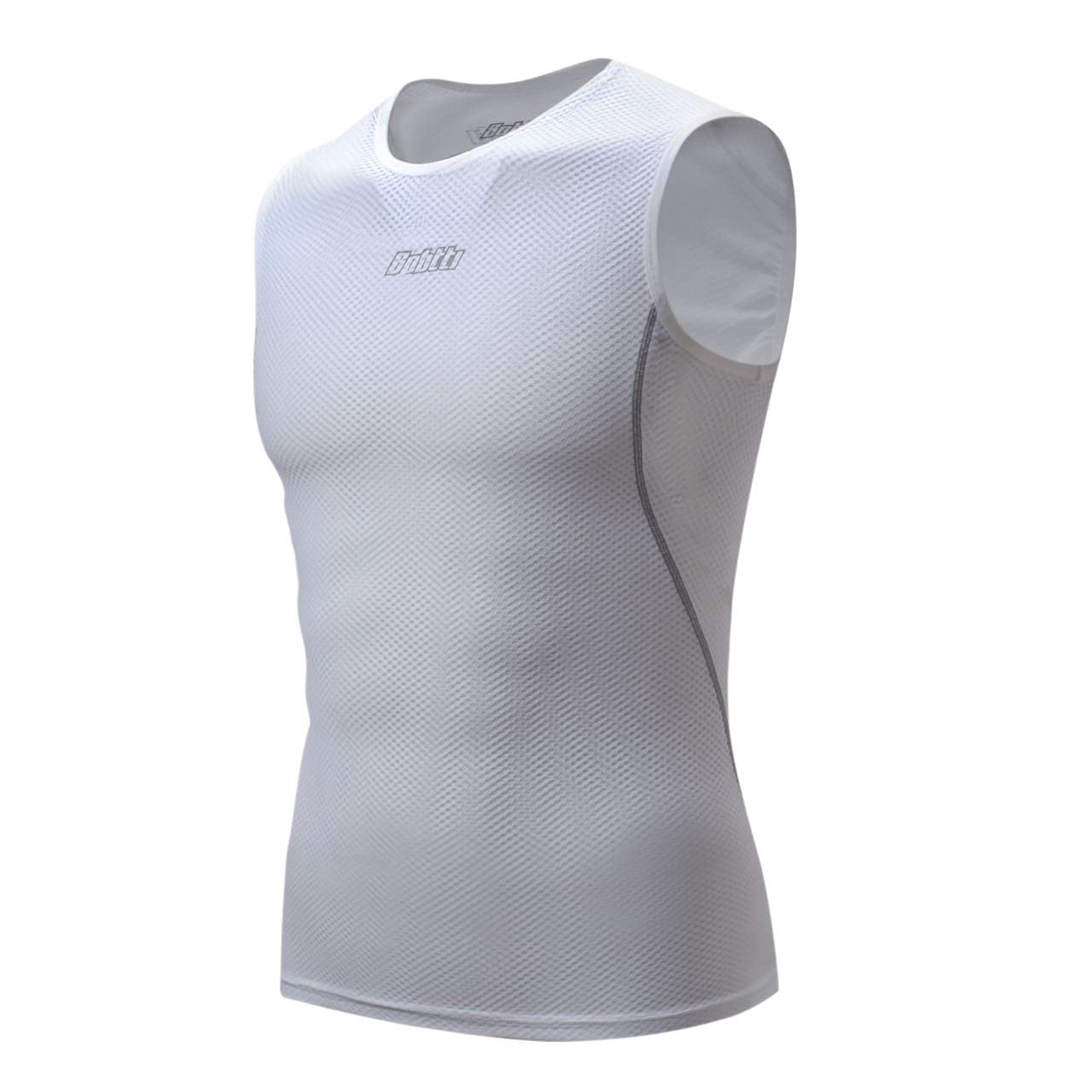
bpbtti Sleeveless Base Layer

bpbtti Sleeveless Base Layer

Hot weather ultra-budget

Our Score 8.8/10
Check Price

Worth Noting

  • Sizing can run tighter than expected
Fit
Slim compression
Material
Polyester/Spandex blend
Read the full review

This ultra-budget sleeveless base layer delivers effective moisture-wicking and a comfortable compression fit for most riders at a very low price. However, the slim cut runs small for some body types, and being sleeveless limits sun protection and warmth. It is best for cyclists who want a cheap summer-only layer without needing sleeves.

Bottom line: A solid choice for cost-conscious riders who need a sleeveless summer base layer and do not mind a snug fit.

12

Nepest Mesh Base Layer

Nepest Mesh Base Layer

Budget warm layer

Our Score 8.8/10
Check Price

Worth Noting

  • Heavier than expected for an 'ultralight' claim
Fit
Slim
Material
Polyester mesh
Read the full review

This budget-friendly base layer uses a dense polyester mesh that breathes well and holds heat, making it a good choice for cooler rides where durability matters more than pack weight. The stitching and build quality hold up well over time. However, the material is thicker than an 'ultralight' layer should be, and the armhole opening can dig in for cyclists with larger shoulders or chests.

Bottom line: Works well for cyclists who want a durable, warm-ish base layer on a budget and are okay with a thicker fabric and a tight armhole.

13

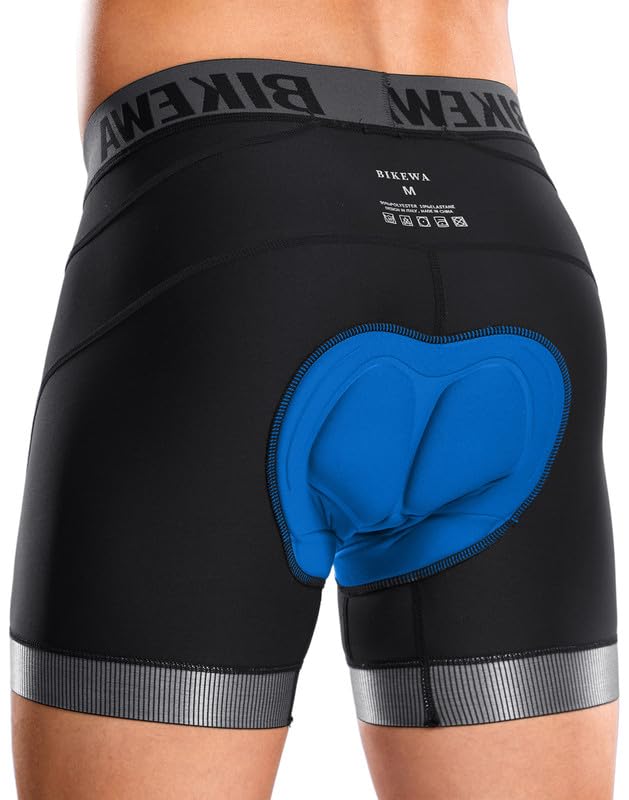
Bikewa 4D Padded Liner

Bikewa 4D Padded Liner

Budget liner with grips

Our Score 8.6/10
Check Price

Worth Noting

  • For rides exceeding 30 miles, the pad's cushioning may feel insufficient
  • Thighs with larger circumference may find the leg openings snug
Fit
Material
Read the full review

Silicone leg grippers keep this liner from creeping up during pedaling — a common annoyance with budget cycling shorts. The 4D chamois provides adequate cushioning for short to medium rides, making it a practical choice for daily commuting or mountain bike sessions.

This liner is best for budget-conscious riders who want reliable anti-slip performance without spending on premium gear. The padding will feel thin for rides over 30 miles or rough terrain, and the thigh fit can be tight for some body types.

Consider sizing up if you have muscular thighs to avoid a snug fit.

Bottom line: A solid budget liner for short rides if you need grippers, but opt for the baleaf if you regularly ride longer distances.

How to Choose

Moisture-Wicking Fabric: Synthetic vs. Merino Wool

Synthetic fabrics like polyester and spandex dry quickly and hold up to frequent washing, but they trap body odors after a few rides. Merino wool naturally resists smells and feels soft against skin, but it wears out faster - expect pinholes in high-friction areas after a season of regular use.

If you ride hard and wash after every ride, synthetic is the durable choice. If you commute in cold weather and want to wear a base layer multiple times before washing, merino's odor control pays off.

Padding and Chamois Quality

Padded liners include a chamois insert that cushions the sit bones and reduces chafing. Thicker pads absorb more vibration on rough roads but can feel bulky under tight shorts. Multi-density foam (3D or 4D) distributes pressure better than a single layer of foam.

For rides under 30 miles, a thin pad works fine. Longer rides or rough terrain benefit from thicker, multi-density chamois. If you already wear bib shorts with a built-in pad, you don't need a padded liner - a simple base layer top is sufficient.

Seam Construction and Chafe Potential

Flatlock seams lie flat against the skin and reduce rubbing during pedaling. Raw-cut hems or folded seams can create hot spots, especially along the shoulder blades and waistband. Some budget liners use standard overlock stitching that irritates after two hours in the saddle.

If you have sensitive skin or do long centuries, look for 'flatlock seams' in the description. Short inseams on padded liners cause the legs to ride up, introducing new chafe points at the thigh hem.

Fit and Compression Level

Cycling base layers are designed to be snug - loose fabric bunches under your jersey, traps sweat, and creates drag. A race fit is tightest, ideal for hot weather where you want zero extra fabric. Slim fit offers close contact without squeezing. Comfort fit (like the Gore turtleneck) allows a bit more room for layering.

The trade-off: a very tight fit reveals every seam and can feel restrictive for larger chests or shoulders. If you're between sizes, size up for a slim fit rather than forcing a race fit.

Breathability and Temperature Regulation

Open-weave mesh fabrics allow maximum airflow, making them the go-to for summer riding. Solid knit synthetics trap heat but still wick moisture away from the skin. Merino wool offers natural temperature regulation - it insulates when cold and vents when warm, but it moves moisture slower than synthetic mesh.

For cold winter rides, a Windstopper front panel blocks the chill while the back breathes. This hybrid approach works better than a thick, non-breathable layer that leaves you soaked with sweat.

Frequently Asked Questions