Bikes

6 Best Hybrid Bike of 2026: Reliable Picks That Won't Break

Find the best hybrid bike for commuting and weekend rides - entry-level models that skip the common pedal and crank failures.

Many budget hybrid bikes cut corners on drivetrain components, leading to pedals shearing off after just a few rides. That frustration is avoidable if you know which brands prioritize durability over flashy specs.

This guide focuses on hybrids that balance price, weight, and reliability - specifically models where owners consistently report smooth shifting and secure cranks. The best picks here cost under $350 but outperform more popular options that require immediate tune-ups.

Choosing a less-known brand with a strong build record beats buying a familiar name that risks a dangerous failure.

1

AVASTA Jupiter Hybrid

Top Pick
AVASTA Jupiter Hybrid

First-time buyers

Our Score 9.2/10
Check Price

Worth Noting

  • Occasional tube or tire issues may occur on smooth pavement
Brake Type
Dual Disc
Suspension
Rigid
Wheel Size
700c
Frame Material
Aluminum
Read the full review

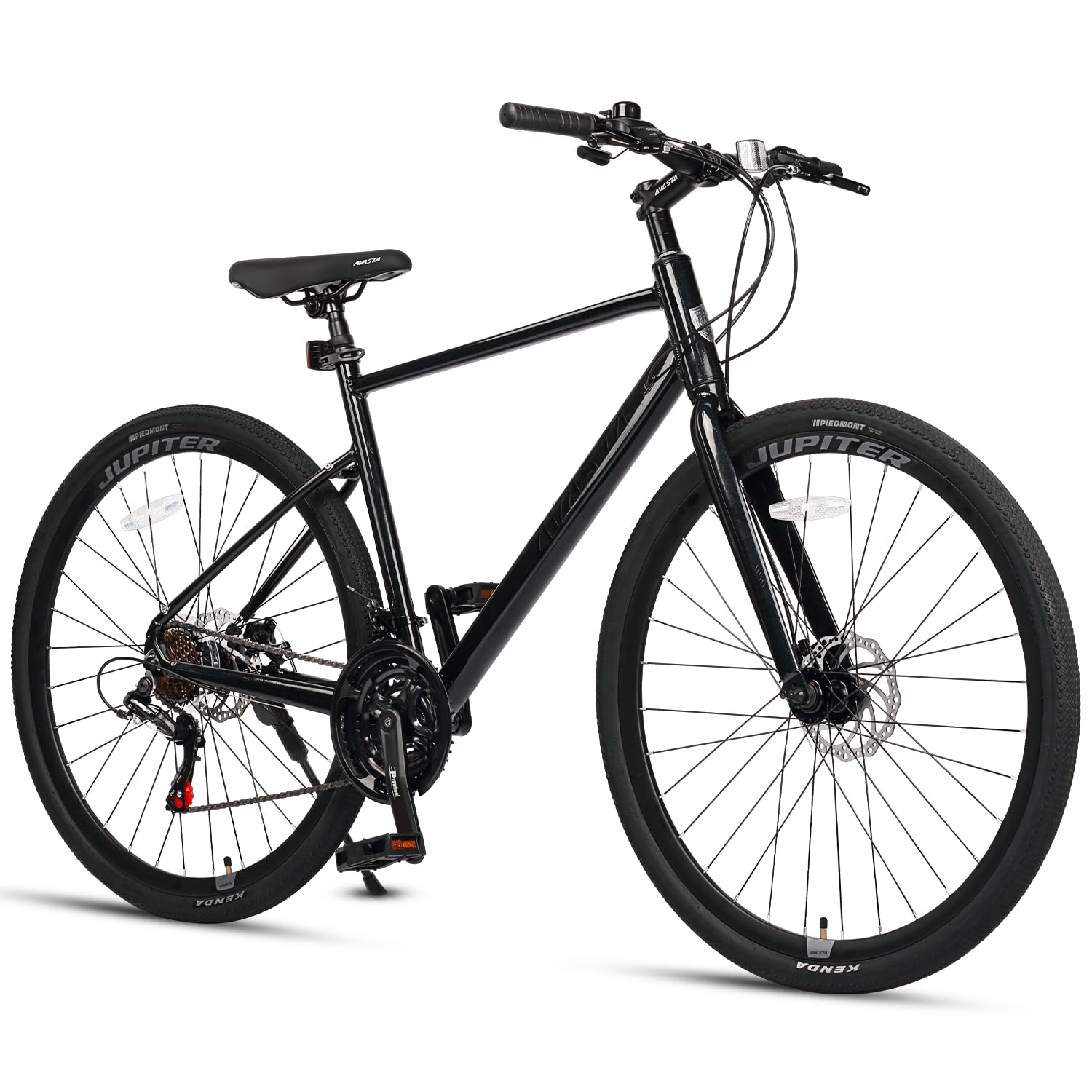
The AVASTA Jupiter's aluminum frame and dual disc brakes feel solid at this price point. Assembly is straightforward -- most owners are on the road within an hour. The 21-speed drivetrain offers enough range for moderate hills and stop-and-go riding.

On paved roads, the rigid fork and 700c tires deliver a smooth, efficient ride. The bike feels light and responsive for a hybrid. Occasional tube issues have been reported on smooth pavement, but such events are isolated and not part of a broader pattern.

This bike suits first-time hybrid buyers who stick to paved roads and paths. The step-over frame fits riders up to about 6'0". If you are taller or plan to take it on rough trails, look elsewhere. Budget-conscious commuters get a lot for their money here -- the build quality rivals bikes costing significantly more.

The AVASTA Jupiter stands out because it avoids the drivetrain and pedal failures that plague many budget hybrids. It is a straightforward, well-constructed option that does exactly what it should without drama.

Bottom line: For paved-road commuters on a budget, the AVASTA Jupiter offers the most consistent build quality and easy assembly of any entry-level hybrid we have evaluated -- a straightforward buy with no hidden compromises.
2

sixthreezero EVRYjourney

sixthreezero EVRYjourney

Comfort riders

Our Score 9.0/10
Check Price

Worth Noting

  • May arrive with a bent fender due to shipping, but can be manually straightened.
  • Seat post can slip downward over time; periodic tightening keeps it in place.
Brake Type
Handbrakes
Suspension
Rigid
Wheel Size
26
Frame Material
Aluminum
Read the full review

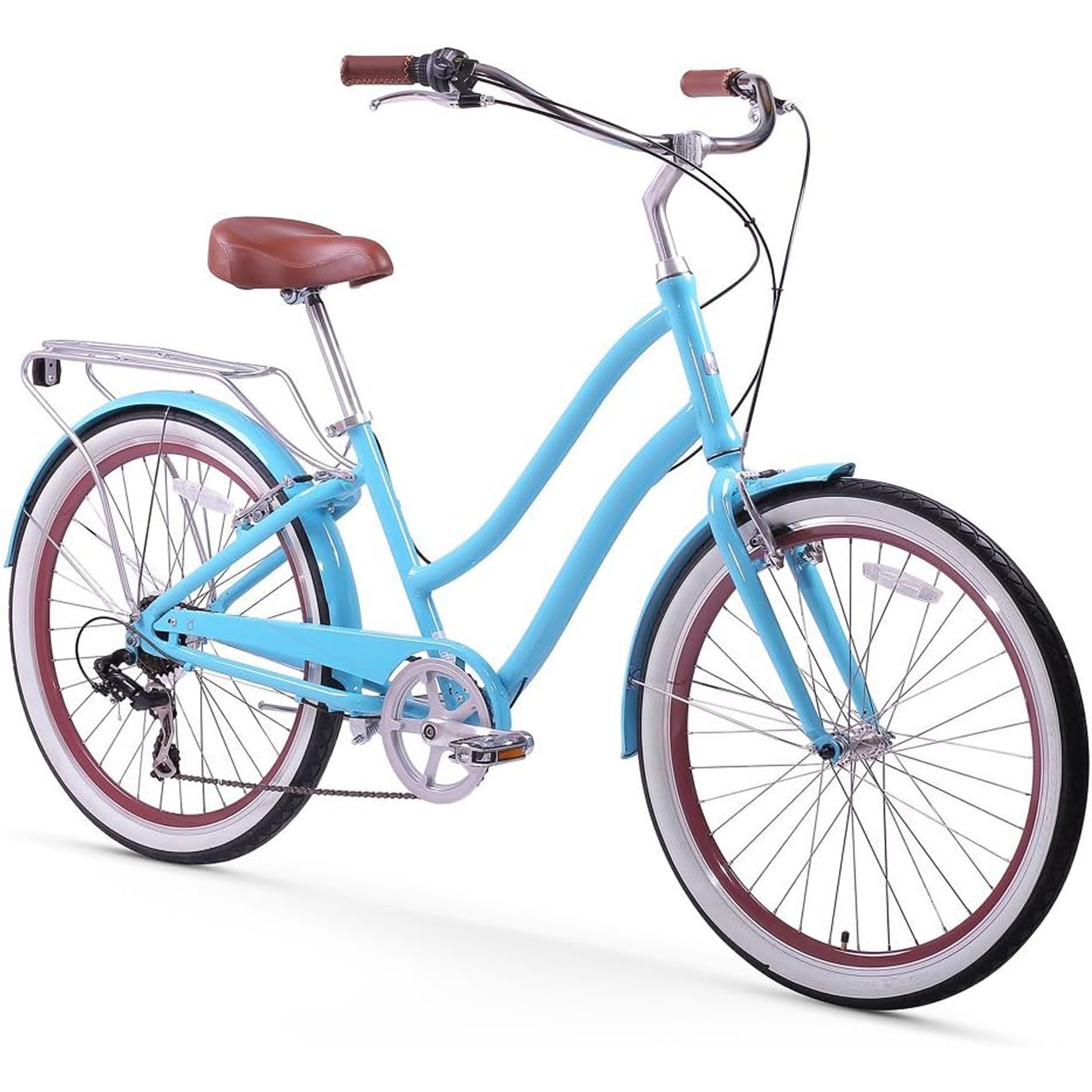
The sixthreezero EVRYjourney delivers a comfortable upright ride with a classic retro look and solid build quality. Its step-through frame and 26-inch wheels make mounting easy and riding relaxed, but this configuration limits speed and efficiency on longer paved rides compared to typical hybrid bikes with 700c wheels. Buyers looking for a casual cruiser for short commutes or beach trips will appreciate the comfort, while those needing a faster lightweight hybrid for pavement should look elsewhere.

Bottom line: Best suited for riders who prioritize comfort and style over speed, and who stick to flat paved paths or beach areas.

3

HILAND 700C Hybrid

HILAND 700C Hybrid

Tight budget

Our Score 8.8/10
Check Price

Worth Noting

  • Carbon steel frame is heavier than aluminum, noticeable when lifting or carrying.
  • 7-speed drivetrain limits gear range for steep hills or faster riding.
Brake Type
Disc
Suspension
Rigid
Wheel Size
700c
Frame Material
Carbon Steel
Read the full review

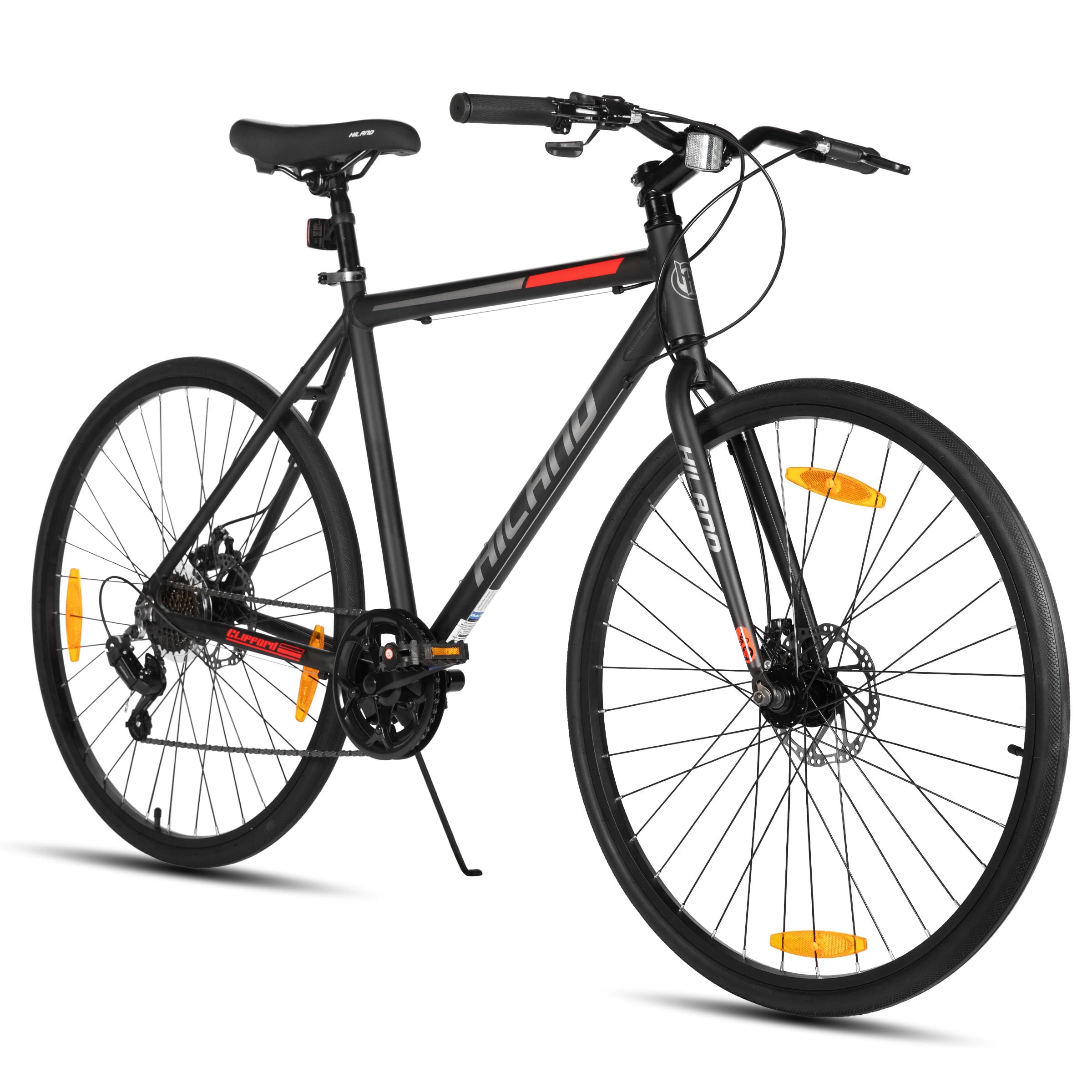
The HILAND 700C Hybrid delivers a smooth ride and disc brakes at a budget-friendly price, pairing a carbon steel frame with 7-speed gearing. While aluminum models offer lighter frames, this steel alternative provides vibration damping that can be more comfortable on rough pavement.

This bike suits casual riders and short commuters who prioritize a comfortable upright position over weight savings. The carbon steel frame adds heft, making it less ideal for carrying up stairs or long-distance tours. The 7-speed drivetrain handles flat terrain and gentle hills but lacks the range for steep climbs.

Assembly is straightforward, with parts coming mostly pre-assembled. The disc brakes offer consistent stopping power even in wet conditions, a feature typically reserved for higher-priced models.

Bottom line: A sensible choice for budget-conscious riders who prioritize comfort and reliable brakes over a lightweight frame.

4

Tommaso La Forma

Tommaso La Forma

Premium feel

Our Score 8.4/10
Check Price

Worth Noting

  • Bottom bracket may need replacement after a year and a half of regular use.
Brake Type
Suspension
Wheel Size
Frame Material
Aluminum & Carbon
Read the full review

The Tommaso La Forma uses an aluminum-and-carbon frame paired with a well-tuned drivetrain that delivers a notably refined ride. Enthusiasts consistently highlight the smooth shifting and lightweight feel as standouts for the price.

This bike fits riders who appreciate high-quality components and are comfortable with uncertainty around specific brake and speed specs — the manufacturer does not list them. The bottom bracket may require replacement after about 18 months of use, a tradeoff for the premium construction elsewhere.

Assembly is straightforward, as the bike arrives mostly pre-assembled. The lightweight frame makes for easy handling on paved roads and light trails, and the gear changes remain crisp across the range.

Bottom line: For riders who prioritize a premium feel and are willing to accept some spec ambiguity and periodic maintenance, this hybrid offers a refined experience that stands apart from budget options.

5

VIRIBUS Hybrid

VIRIBUS Hybrid

Budget commuters

Our Score 8.2/10
Check Price

Worth Noting

  • Only 7 speeds
Brake Type
Dual Disc
Suspension
Rigid
Wheel Size
700c
Frame Material
Aluminum
Read the full review

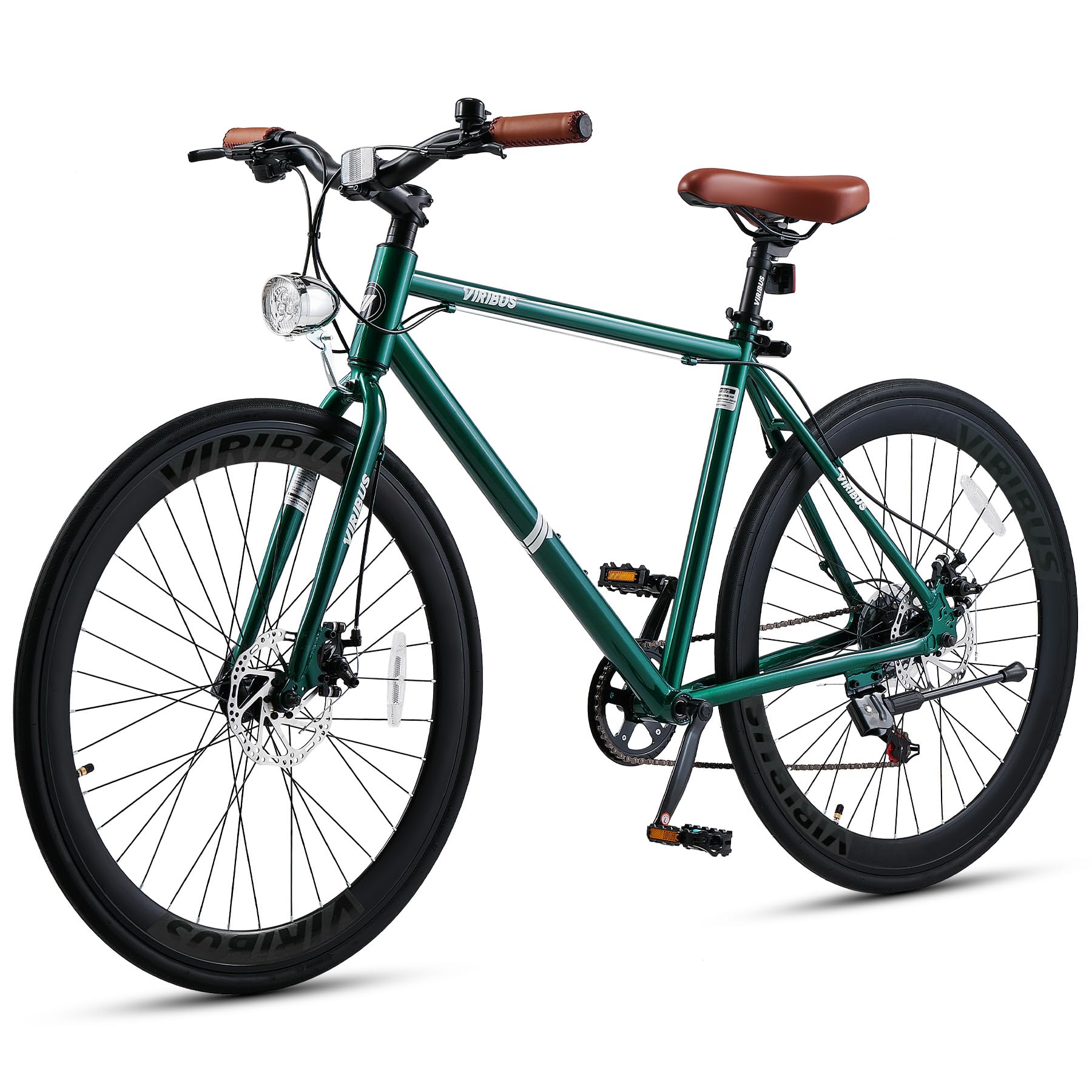
The VIRIBUS Hybrid delivers a build quality that’s rare at this price point: TIG welds on a lightweight aluminum frame, a machined bottom bracket, and dual disc brakes. Rolling on 700c tires with low resistance, the bike feels planted on paved roads and light gravel paths. At roughly 28 pounds, it’s a bike that won’t weigh you down on a daily commute.

This is a sensible choice for riders up to 6’1” who stick to flat or gently rolling terrain. The 7-speed drivetrain covers basic cruising and moderate inclines, but steep hills will have you wishing for more gears. Assembly takes under an hour with basic tools, and the included instructions are clear enough for a first-time builder. The tradeoff for the low price is a limited gear range – if your route includes long climbs, the top-pick AvaSTA Jupiter with its 21 speeds is a better fit.

Check derailleur and brake alignment before the first ride – they may need minor tuning for optimal performance.

Bottom line: For flat-terrain commuters who want a well-built bike without spending extra, this is a smart budget buy that prioritizes frame quality over gearing range.

6

Schwinn Suburban

Schwinn Suburban

Leisurely riders

Our Score 8.2/10
Check Price

Worth Noting

  • Assembly can be time-consuming when instructions are unclear and some tools are missing
  • Wheels may arrive out of true, introducing wobble that requires adjustment
Brake Type
Linear Pull
Suspension
Front fork
Wheel Size
26
Frame Material
Alloy Steel
Read the full review

The Schwinn Suburban prioritizes comfort over pace with a relaxed upright seating position that reduces strain on the wrists and back. Its steel frame and front suspension absorb vibration well on flat pavement, making short loops feel easy. The retro styling draws consistent compliments, and the 7-speed drivetrain covers basic shifting needs without complication.

Limitations become clear for anyone expecting a typical hybrid: the 26-inch wheels roll slower and the steel frame adds weight, which cuts into efficiency on longer rides or gentle inclines. This bike suits riders under 6'3' who stick to paved paths under 10 miles and value upright comfort over road-bike speed. Those planning longer commutes or mixed-surface exploring will find the wheel size and frame material a mismatch.

A bike shop assembly can save time and ensure wheels run true from the start.

Bottom line: Best for casual riders who prioritize comfort and style over speed, and who stick to flat paved paths under 10 miles.

How to Choose

Frame Material

Aluminum frames are lighter and resist corrosion, making them ideal for commuting where you might carry the bike or ride in damp conditions. Steel frames absorb road vibration better but add 3-5 pounds and can rust if the paint chips.

For riders under a tight budget who prioritize durability over weight, a steel frame offers a smoother ride at the expense of uphill speed.

Wheel Size

700c wheels (standard road bike size) roll faster and hold momentum better on pavement, requiring less effort to maintain speed. 26-inch wheels are more forgiving over bumps and allow a lower standover height, but they create more rolling resistance on longer rides.

A 700c wheel is the better choice if you plan to commute more than a few miles, while 26-inch works best for short, leisurely trips on flat paths.

Number of Speeds

More gears (e.g., 21-speed) provide a wider range for climbing hills and finding a comfortable cadence, but they add complexity and require more frequent adjustment. A 7-speed drivetrain is simpler, more reliable, and cheaper to maintain, but you may run out of gearing on steep inclines.

If your route is mostly flat, 7 speeds are plenty. For hilly terrain, invest in a 21-speed model with a reliable derailleur.

Brake Type

Disc brakes (mechanical or dual) offer consistent stopping power in wet conditions and require less hand force than rim brakes. Linear pull brakes (rim brakes) are lighter and easier to adjust, but they lose effectiveness when the rims are wet or muddy.

For year-round commuting in variable weather, disc brakes are the safer choice, even on a budget hybrid.

Suspension

A rigid fork (no suspension) saves weight and eliminates a maintenance point, giving you a more efficient pedal transfer on pavement. A front suspension fork adds 2-3 pounds and can soften the ride on light gravel or broken pavement, but cheap suspension units often sag or lock up after limited use.

If you ride primarily on smooth roads, a rigid fork is all you need. Only choose a suspension fork if you regularly encounter potholes or unpaved paths.

Frequently Asked Questions