Bikes

10 Best Kids Bike of 2026: Skip Training Wheels with Balance Bikes

Get the right balance bike for your child's age and size, avoiding heavy pedal bikes that discourage learning.

Many parents end up with a child's pedal bike that is heavy, poorly assembled, and quickly develops mechanical issues. Training wheels often complicate balance rather than solving it.

A balance bike sidesteps these problems by removing pedals and letting children focus on steering and stopping with their feet. The key is finding one that fits properly, stays lightweight, and holds up to daily use.

Not every balance bike delivers on those basics. Some cut costs with wobbly components or seat heights that don't accommodate growth. This guide breaks down what to look for.

1

Strider 12 Sport

Top Pick
Strider 12 Sport

Ages 1-4

Our Score 9.6/10
Check Price

Worth Noting

  • No hand brake
  • Seat foam may compress after years of daily use on rough surfaces.
Weight
6.7 lbs
Bike Type
Balance
Tire Type
Foam rubber
Wheel Size
12"
Read the full review

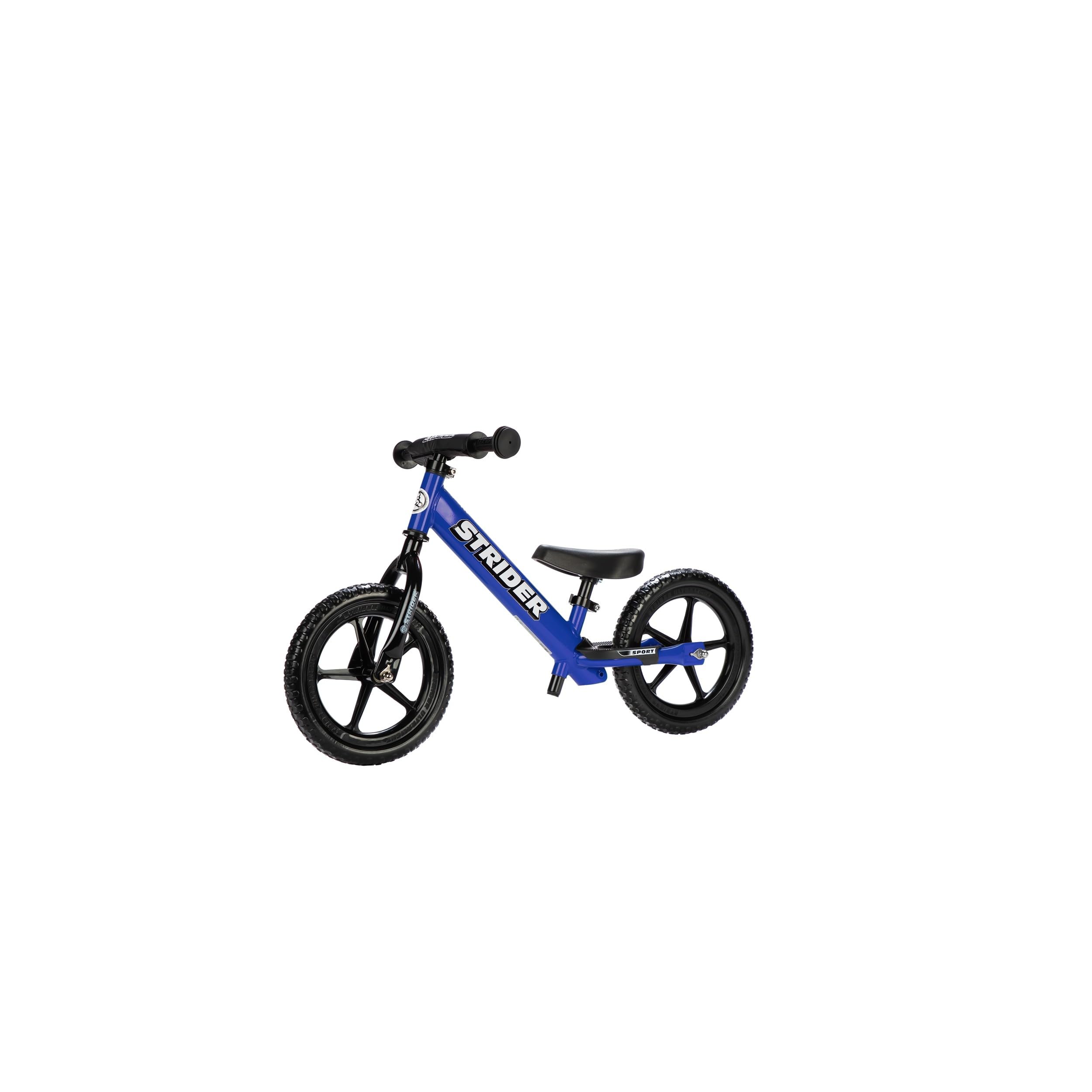
At 6.7 pounds, the Strider 12 Sport is light enough for a 1-year-old to lift and steer. The foam tires never go flat, and the seat and handlebars adjust in seconds without tools. Children typically balance and glide within days, not weeks.

On grass, pavement, or gravel, the low step-over height and solid tracking make riding intuitive. The lack of a hand brake means kids stop by planting their feet — a natural method that builds leg control. Over heavy daily use, the seat foam may soften, but the frame and wheels remain fully functional.

This bike suits families who want one bike to serve children from 18 months to 4 years across rough play and hand-me-downs. The seat height range (11-17 inches) and durable construction support that lifespan. If you expect pedals out of the box, this is a dedicated balance trainer, not a pedal bike.

Children stop by placing both feet flat on the ground — this is how balance bikes teach stopping control, so no need to worry.

Bottom line: The Strider 12 Sport is the reference for first balance bikes — light enough for toddlers to manage, adjustable through preschool, and built to outlast a single child.

2

SEREED Balance Bike

SEREED Balance Bike

Best value

Our Score 9.6/10
Check Price

Worth Noting

  • Seat height minimum may be too high for toddlers under 24 months with short inseams.
  • Foam tires can be slippery on smooth indoor floors like tile or hardwood.
Weight
7.8 lbs
Bike Type
Balance
Tire Type
EVA foam
Wheel Size
12"
Read the full review

For $43, this balance bike offers tool-free adjustment, a 7.8 lb frame, and a seat height range of 12.6 to 17.1 inches—essentially the same package as the top pick but with a higher starting point and foam tires instead of air.

It suits children aged 2.5–5 who have some leg length; toddlers under 24 months with short inseams may not touch the ground. The foam tires grip well outdoors but can slip on tile or hardwood.

On tile or hardwood, the foam tires lose grip; outdoor use or rugs provide better traction.

Bottom line: A smart budget buy for families with slightly older toddlers who don't need the lowest seat height and can manage occasional slips on smooth floors.

3

JMMD 6-in-1

JMMD 6-in-1

Convertible

Our Score 9.6/10
Check Price

Worth Noting

  • Parent handle steering can feel indirect on bumpy terrain
Weight
~15 lbs
Bike Type
Convertible
Tire Type
Wheel Size
12"
Read the full review

Six modes cover 18 months to 5 years in one package. The bike converts from a push tricycle with parent handle to a balance bike, then to a pedal bike with training wheels or without. Assembly and mode switching are quick. However, the pedals do not spin when pushing, which can confuse some children about the pedaling motion. This is best for parents who want one bike to last from babyhood to preschool and value the push handle for early walks. If you prioritize a lightweight dedicated balance bike or your child is over 4 and needs a larger 16-inch pedal bike, look at the Strider 12 Sport instead.

Bottom line: For families who value convenience over peak performance in each mode, this all-in-one reduces gear clutter. Those focused on optimal balance bike learning should choose the Strider.

4

Radio Flyer Air Ride

Radio Flyer Air Ride

Classic design

Our Score 9.4/10
Check Price

Worth Noting

  • Some units may arrive with missing valve caps or warped rims
  • At under 8 lbs the bike feels heavier than foam-tire models; very young toddlers may find it clumsy
Weight
7.94 lbs
Bike Type
Balance
Tire Type
Pneumatic
Wheel Size
12"
Read the full review

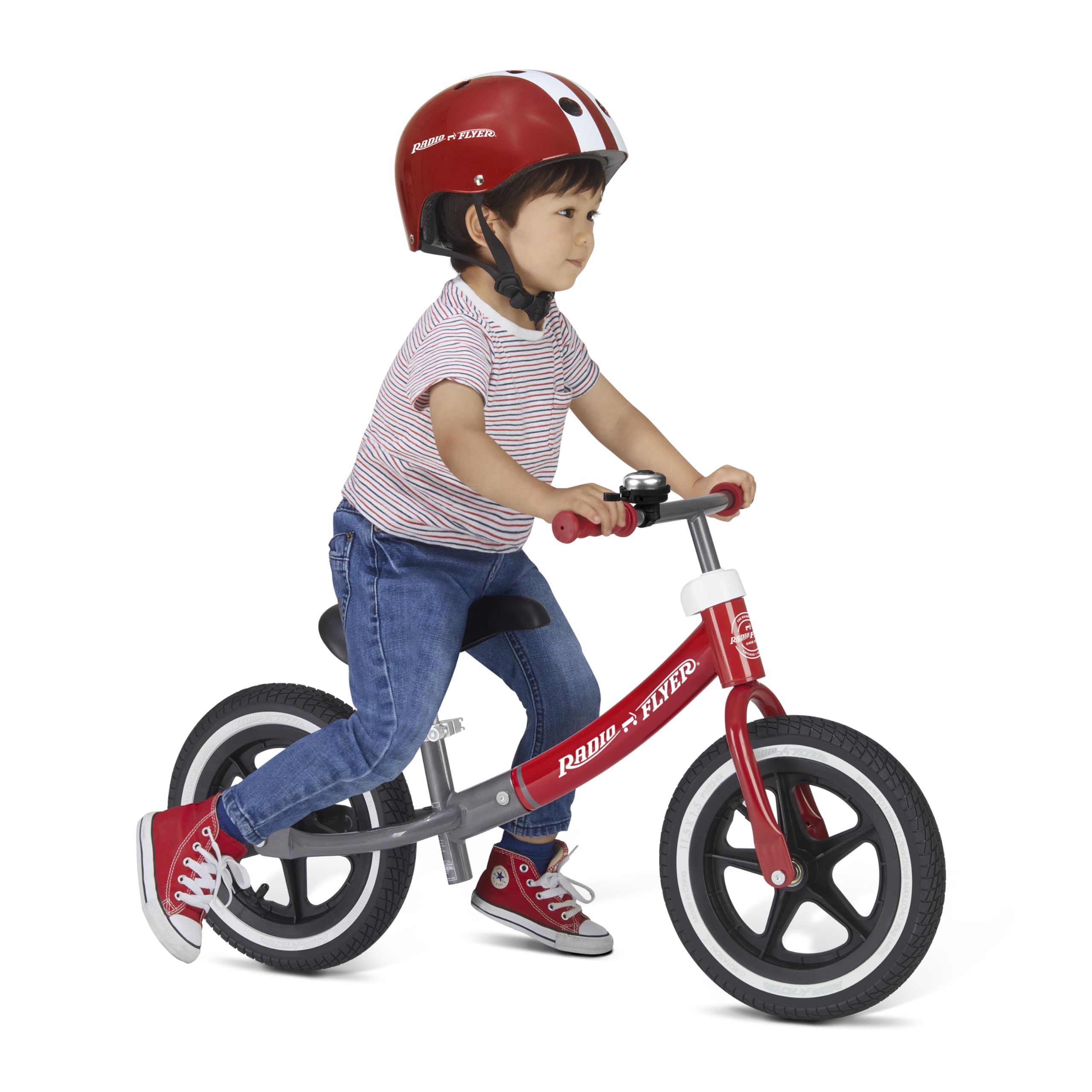
Radio Flyer equips this balance bike with pneumatic whitewall tires that grip grass and gravel better than foam tires, plus a ringing bell and footrest that toddlers enjoy. The vintage red steel frame and tool-free seat adjustment make it a appealing choice for parents who want a traditional look with modern convenience. At 7.94 lbs it's not the lightest option — the top-pick Strider is about a pound lighter — but the air tires and extra features justify the weight for families who ride primarily outdoors.

This bike suits parents who value the Radio Flyer heritage and want air tires for park rides or dirt paths. The tradeoff: some units have arrived with missing valve caps or warped rims, so opening the box and checking everything before your child rides is wise. For very young toddlers (under 2 years), the weight and seat height range may feel limiting — a lighter model like the Strider 12 Sport is easier for the littlest riders to handle.

If your child has a very short inseam, check that the seat can go low enough — the adjustment range is narrower than some competitors.

Bottom line: If classic looks and air tires matter more than absolute lightweight, this Radio Flyer delivers — just inspect it upon arrival.

5

bicystar 14

bicystar 14

Growing kids

Our Score 9.4/10
Check Price

Worth Noting

  • Seat post can loosen over time; occasional tightening is needed.
Weight
8.5 lbs
Bike Type
Balance
Tire Type
Pneumatic
Wheel Size
14"
Read the full review

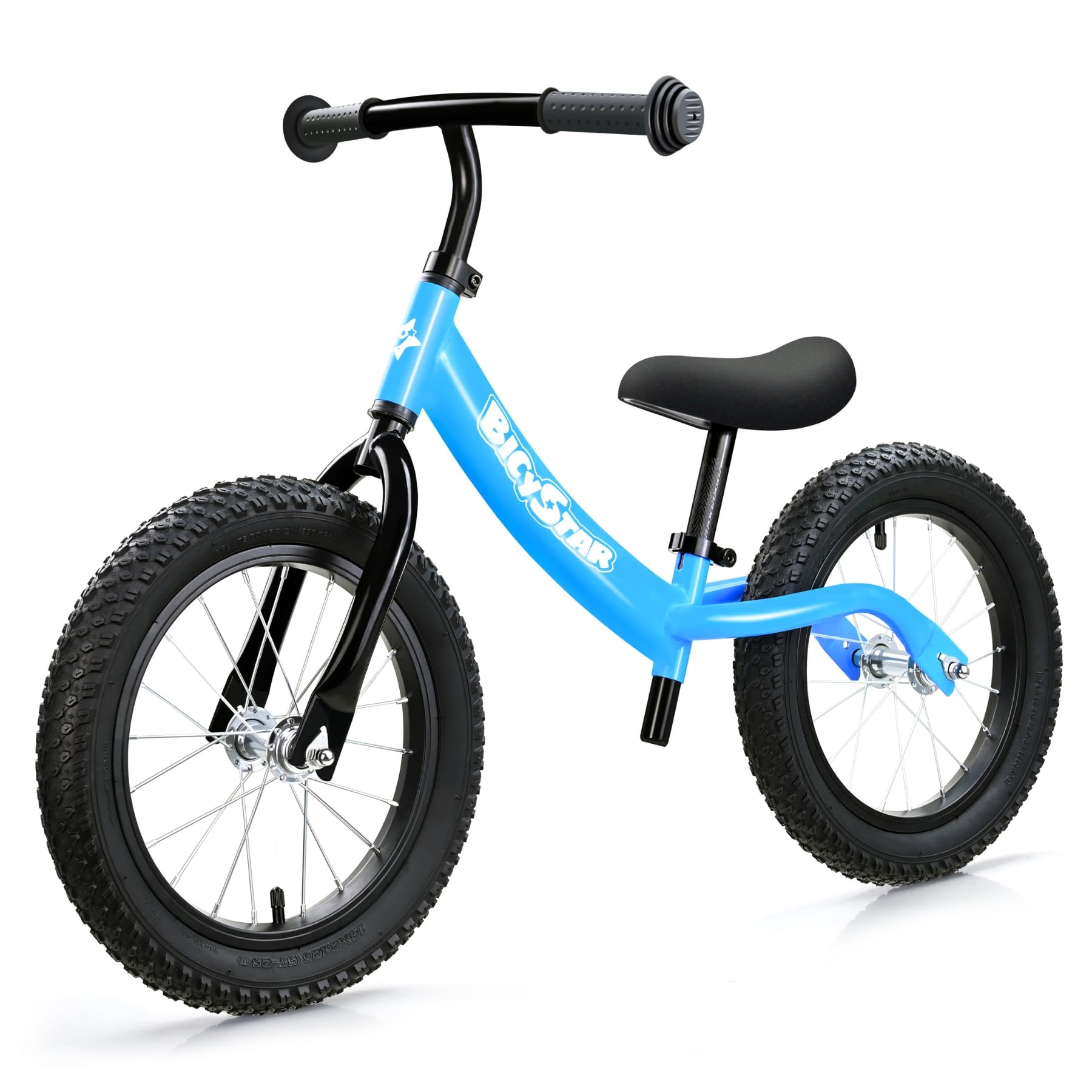
Weighing just 8.5 pounds with real air tires, this 14-inch balance bike gives 3- to 5-year-olds the grip and comfort needed for gravel paths and off-road play. Its seat adjusts from 13 to 21 inches, fitting kids who have moved past smaller models. The frame is light enough for young riders to maneuver independently. The seat post can loosen over time; periodic tightening is recommended.

Tighten the seat post before each ride to prevent loosening.

Bottom line: For parents of 3-5 year olds who need air tires for outdoor riding, the bicystar 14 offers a lightweight, well-sized option. Check the seat post periodically.

6

Gotrax KS12

Gotrax KS12

Lights & fun

Our Score 9.4/10
Check Price

Worth Noting

  • LED light cannot be switched off, which may drain batteries and be noticeable in quiet environments
Weight
8.6 lbs
Bike Type
Balance
Tire Type
EVA foam
Wheel Size
12"
Read the full review

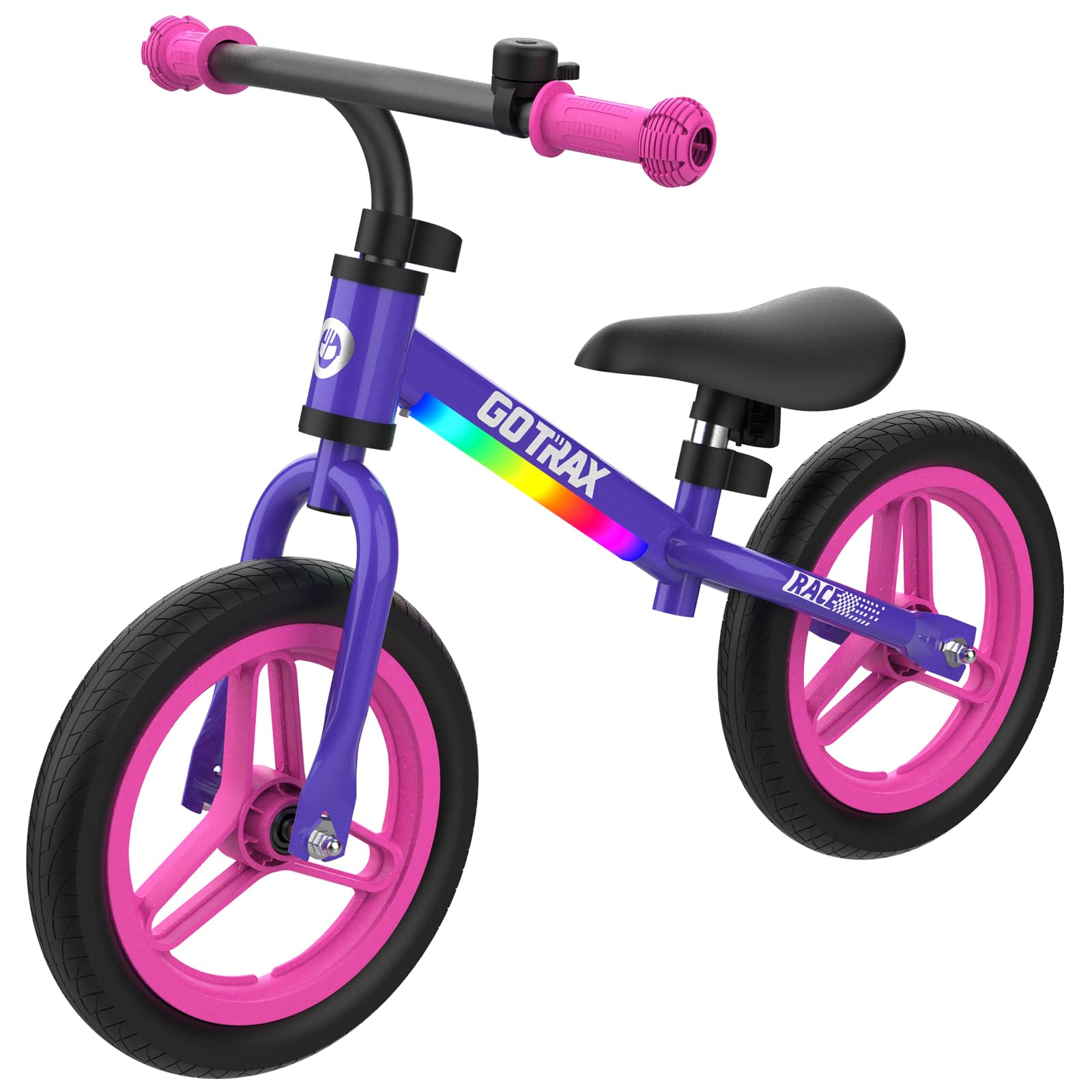
The Gotrax KS12 draws attention with its built-in LED light bar that glows while riding, giving kids a visual reward and improving visibility in low light. The 8.6 lb frame is light enough for toddlers to carry, and assembly takes minutes. The tradeoff is that the LED cannot be turned off, which may drain batteries and be distracting in quiet settings. This bike suits parents who want an engaging, lightweight balance bike with a bit of flash, rather than the minimalist approach of the Strider 12 Sport.

To stop the light, remove the battery pack from the frame; the bike rides normally without it.

Bottom line: If your child is motivated by lights and you want a lightweight balance bike for neighborhood paths, the KS12 works well – just plan around the always-on LED.

7

Strider 14x Classic

Strider 14x Classic

Older kids

Our Score 9.4/10
Check Price

Worth Noting

  • At 12.5 lbs, some kids may struggle to lift or turn the bike.
Weight
12.5 lbs
Bike Type
Balance (pedal kit)
Tire Type
Pneumatic
Wheel Size
14"
Read the full review

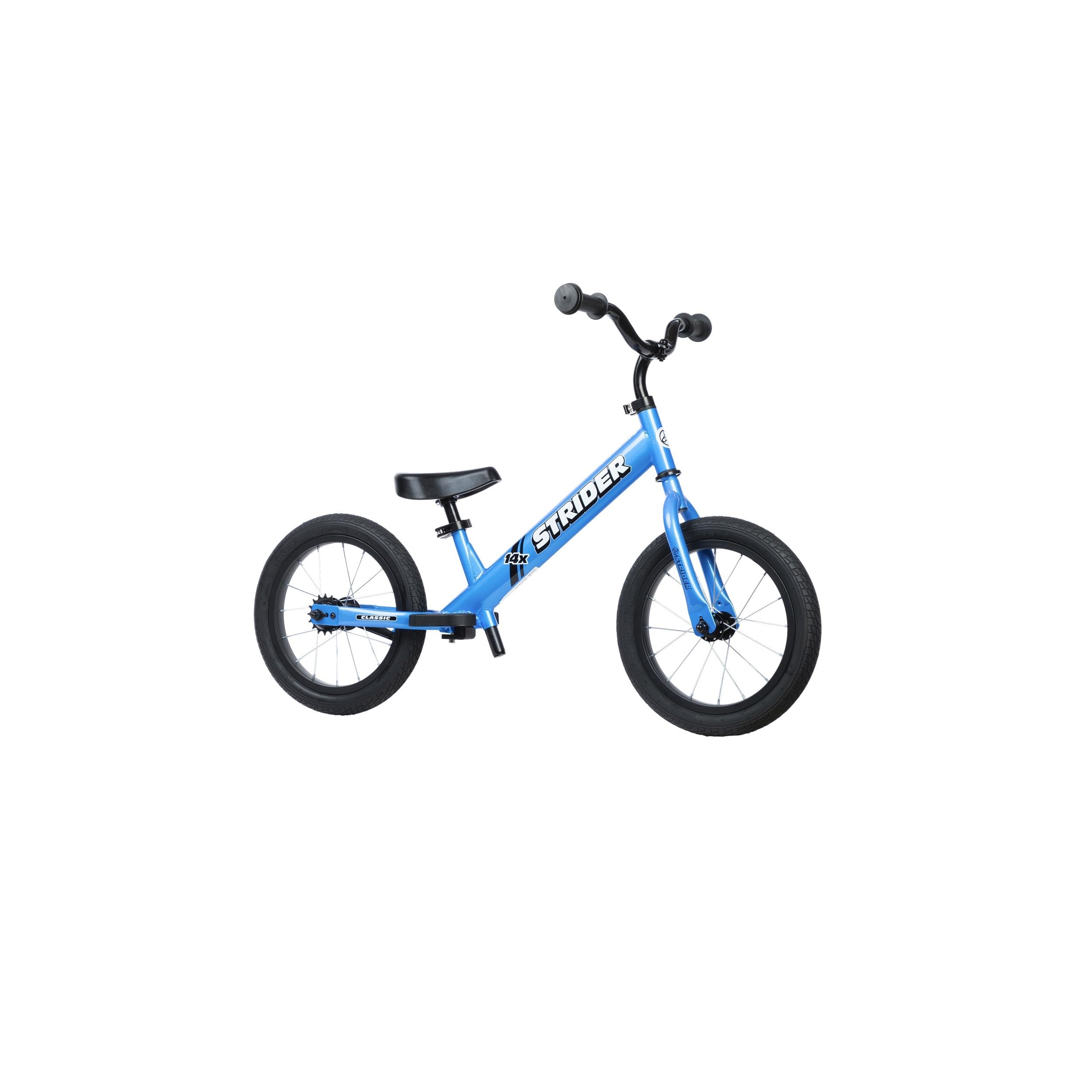
This balance bike extends the Strider range for children who outgrow 12-inch models. The 14-inch wheels and pneumatic tires provide a smoother ride on varied terrain. However, at 12.5 lbs it is heavier than many alternatives, and the pedal conversion kit is an additional purchase — factors that matter less if your child already fits the seat height range and you value the Strider ecosystem.

Bottom line: Best suited for families already invested in Strider's ecosystem who need a larger balance bike for an older preschooler.

8

KRIDDO Balance Bike

KRIDDO Balance Bike

Budget balance bike

Our Score 9.2/10
Check Price

Worth Noting

  • Seat and wheel mounts can loosen over time in some units, requiring periodic tightening.
Weight
6.6 lbs
Bike Type
Balance
Tire Type
EVA foam
Wheel Size
12"
Read the full review

The KRIDDO delivers the essentials – lightweight frame, foam tires, adjustable seat – at a price that undercuts premium options like the Strider. It's ideal for families wanting a low-commitment starter bike for a toddler learning balance without investing in a high-end model. That said, some units show wobbly wheels or seat attachment wear over time, so it's best suited as a first bike rather than a long-term workhorse.

Check and tighten the seat clamp and wheel bolts periodically – a quick check prevents wobbles.

Bottom line: A functional, affordable balance bike that gets toddlers gliding – just keep an eye on hardware tightness.

9

KRIDDO 2-in-1 Kids Balance Bike and Kids Tricycle

KRIDDO 2-in-1 Kids Balance Bike and Kids Tricycle
Our Score 9.2/10
Check Price

Worth Noting

  • Size runs small, limiting leg room for older toddlers
Read the full review

This convertible folds for storage and includes a front light kids enjoy. The detachable pedals let it switch between trike and balance modes, offering flexibility for toddlers. However, the frame runs small: many 3-year-olds have limited leg room, and the handlebar does not adjust. It suits younger toddlers who aren't yet ready for a dedicated two-wheel bike, but older preschoolers will outgrow it quickly.

Bottom line: Best for families with a toddler under 3 who want a compact convertible trike-balance combo, not a long-term primary bike.

10

besrey 5-in-1

besrey 5-in-1
Our Score 9.0/10
Check Price

Worth Noting

  • Sizing suits children up to about 3 years; taller kids may find pedals unreachable.
Read the full review

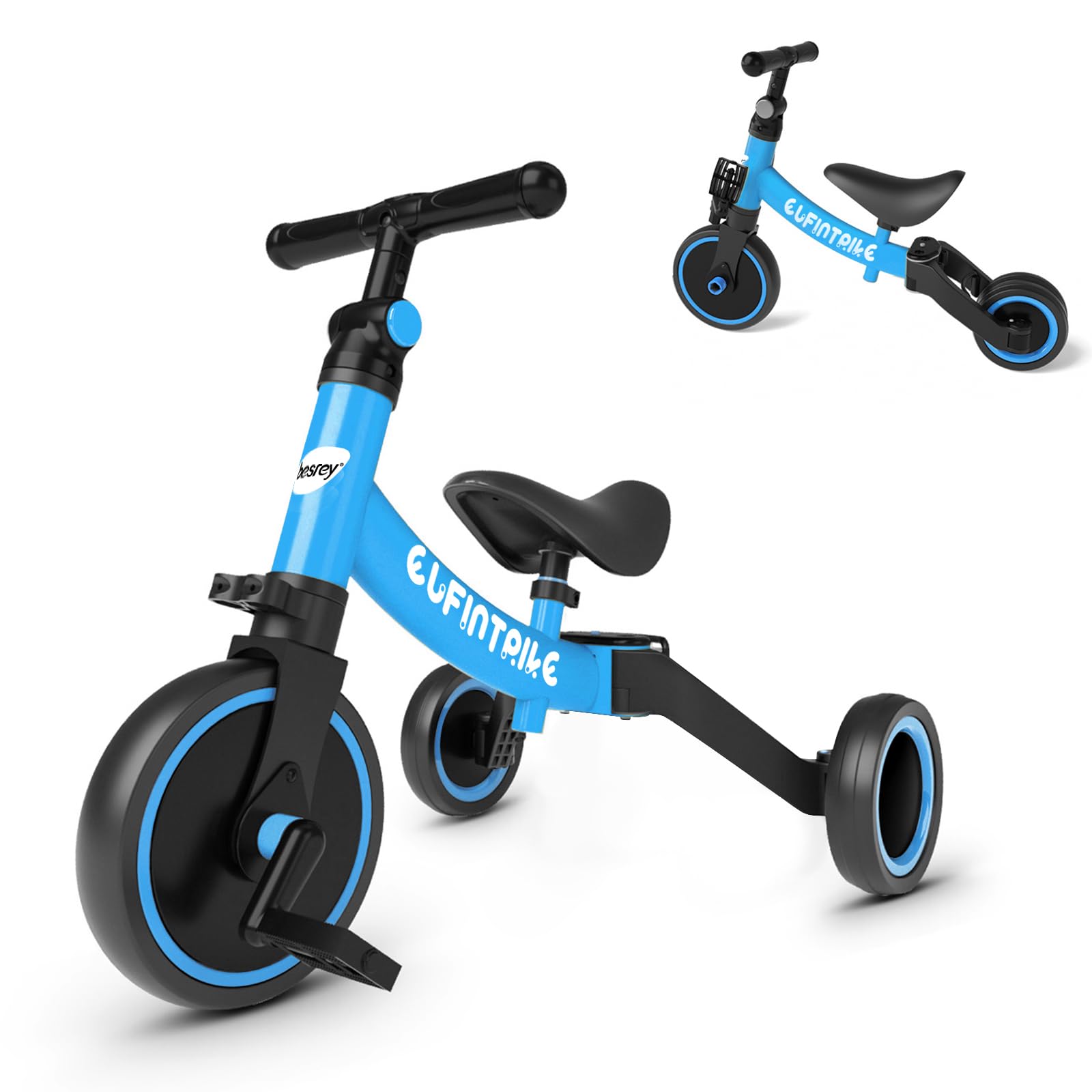
This trike offers multiple riding modes including balance and push, with easy adjustments as the child grows. It is a tricycle, not a two-wheel bike, and sizing may be too small for children over 3. Some units have shown sturdiness inconsistencies.

Bottom line: A practical starter trike for toddlers 1–3, but plan to transition to a proper two-wheel bike by age 3.

How to Choose

Wheel Size

Wheel size determines the age range and terrain capability. 12-inch wheels suit toddlers 18 months to 4 years; 14-inch for preschoolers 3–5; 16-inch and up for elementary ages. A larger wheel rolls over bumps more easily but requires longer inseam for a flat-footed stance. Choosing the wrong size forces the child to tiptoe or stretch, reducing control and confidence.

Bike Type

Balance bikes have no pedals; the child walks and then glides, learning steering and balance naturally. Pedal bikes with training wheels prop up the rear, delaying balance development. Convertible multi-mode bikes combine both but often add weight and complexity. For most children under 5, a dedicated balance bike is the fastest path to independent riding.

Weight

A lightweight bike (under 10 lbs for 12-inch models) lets a toddler lift, turn, and stop the bike independently. Heavy steel frames over 20 lbs turn pedaling into a chore, and the child may refuse to ride. Even an extra 2 lbs matters for a 30-pound child. Check the listed weight before buying; many budget pedal bikes are misleadingly heavy.

Adjustability

Seat and handlebar height range determines how long the bike fits. A minimum seat height that matches the child's inseam allows both feet flat on the ground. Tool-free adjustments make it easy to raise as the child grows. Bikes with limited adjustability may be outgrown in months, while a range of 6 inches or more can serve 2–3 years.

Tire Type

Foam or EVA tires are puncture-proof, maintenance-free, and lightweight but can be slippery on smooth floors and offer less grip on loose gravel. Pneumatic (air) tires provide better traction, shock absorption, and a smoother ride on rough terrain but require occasional inflation and are slightly heavier. For mostly indoor or sidewalk use, foam is fine; for parks and trails, air tires are worth the minor upkeep.

Frequently Asked Questions