Tires & Tubes

7 Best 27.5 Inch Mountain Bike Tire of 2026: Match Your Terrain

Find the best 27.5 inch mountain bike tire for your trail type—cornering grip, fast rolling, or budget reliability without safety risks.

Mountain bike tires are a maze of tread patterns, compounds, and price points. The wrong choice means sliding out on corners or replacing a blown sidewall after a single ride.

This guide cuts through the hype to match you with a tire that works for your terrain—whether that is loose over hardpack, muddy roots, or hardpack XC loops. No fluff, just the rubber that actually hooks up.

1

Maxxis Minion DHR II

Top Pick
Maxxis Minion DHR II

Aggressive trail/enduro

Our Score 9.6/10
Check Price

Worth Noting

  • Designed as a rear tire only
  • Heavier than XC-specific rear tires, which can be felt on sustained climbs
Width
2.3"
Casing
EXO
Tubeless
Yes
Tread & Compound
Minion, Dual
Read the full review

The Maxxis Minion DHR II hooks up predictably under hard braking and holds a line through loose corners, thanks to its aggressive tread block arrangement and dual-compound rubber. The EXO casing adds sidewall cut resistance without making mounting a chore, and the bead seats easily for tubeless setups.

This tire is built for aggressive trail and enduro riders who want confident rear-end grip on rocky, loose, or hardpack trails. The weight penalty versus an XC-focused rear tire is real, but that heft comes from the burlier casing and protection layer that keeps you riding in rough terrain. It is not intended for front use, where steering characteristics differ.

Bottom line: For aggressive rear-end traction on rocky and loose trails, this is the tire to run. Its weight is the only real tradeoff for the protection it offers.

2

Maxxis Minion DHF

Maxxis Minion DHF

Front tire enduro

Our Score 9.6/10
Check Price

Worth Noting

  • Braking traction on the rear is lower than dedicated rear tires like the DHR II
Width
2.3"
Casing
EXO
Tubeless
Yes
Tread & Compound
Minion, Dual
Read the full review

The Minion DHF's side knobs deliver predictable cornering bite that sets the standard for 27.5-inch front tires. While the DHR II excels in rear braking traction, this tire is purpose-built for front-end steering grip. Riders tackling enduro, trail, and all-mountain terrain who want maximum cornering confidence will find few equals. It is not the best pick for rear-only setups — the DHR II offers stronger braking performance there.

Pair with a DHR II on the rear for balanced braking and climbing traction.

Bottom line: The benchmark front tire for aggressive 27.5-inch riding, delivering cornering confidence that justifies its popularity.

3

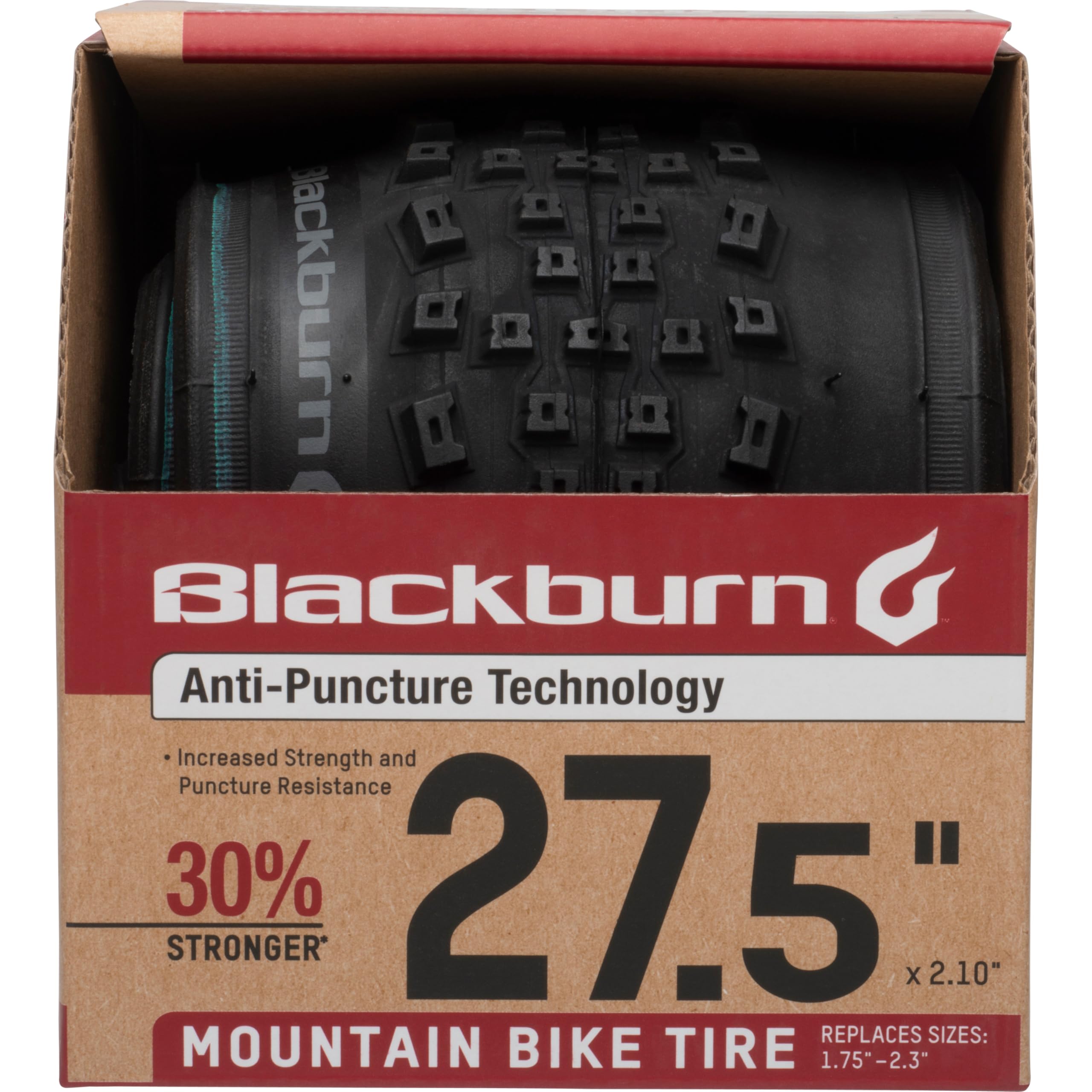
Blackburn 27.5x2.1

Blackburn 27.5x2.1

Casual replacement

Our Score 9.4/10
Check Price

Worth Noting

  • Tread life can be inconsistent
Width
2.1"
Casing
Tubeless
No
Tread & Compound
Read the full review

Its low cost and solid build make it a budget-friendly option for kids' bikes or commuter use on smooth surfaces. Tread wear, however, is inconsistent – some units may show signs of wear within a month of regular riding. The basic tread pattern lacks grip for loose trails, so this tire is best reserved for light-duty scenarios or emergency replacements.

Bottom line: This tire works for short-term use on smooth surfaces – ideal as a spare or for a child's bike where speed and grip aren't priorities.

4

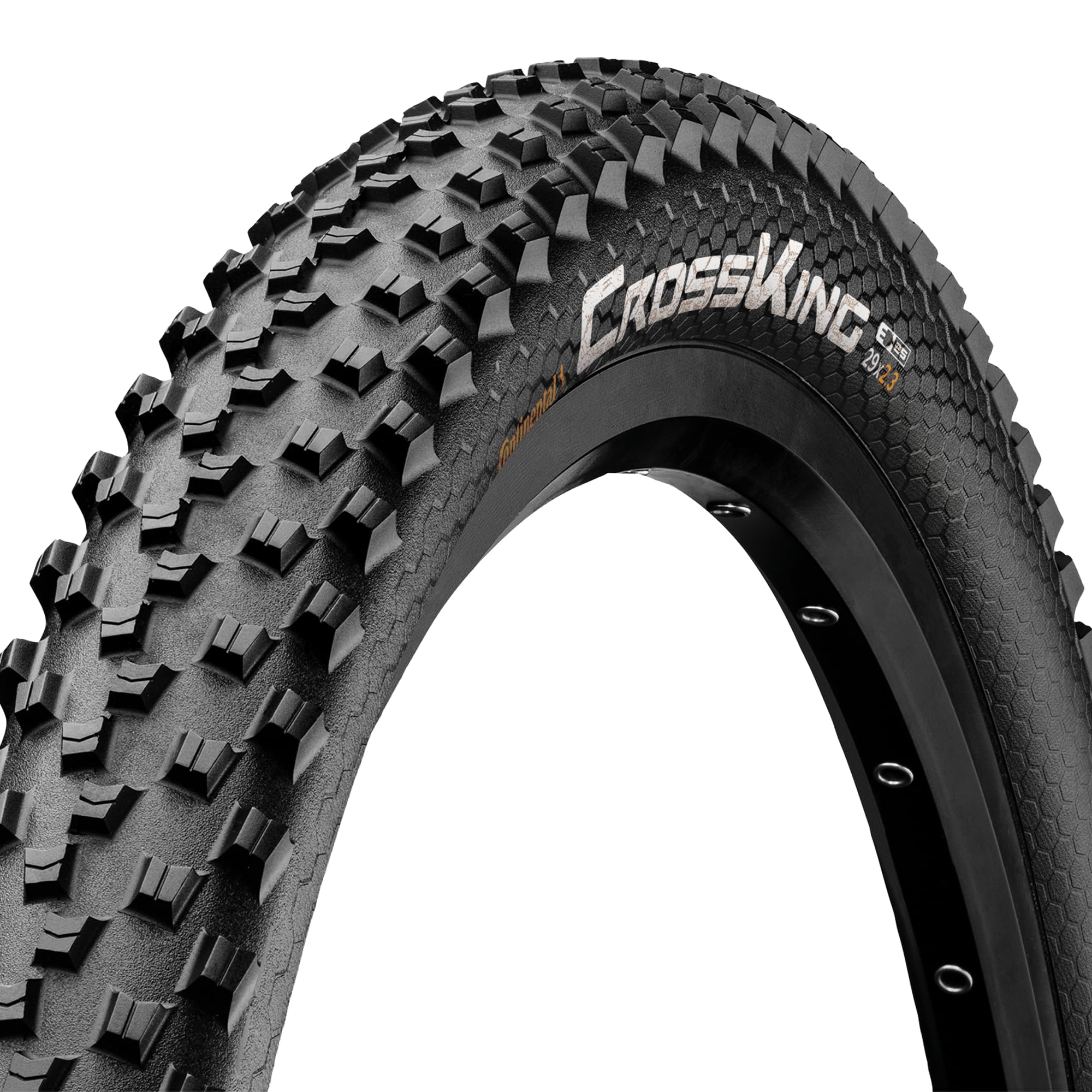
Continental Cross King

Continental Cross King

XC and trail

Our Score 9.2/10
Check Price

Worth Noting

  • Sidewall durability may be insufficient on rocky terrain, with tears possible after moderate use.
Width
2.8"
Casing
ShieldWall
Tubeless
Yes
Tread & Compound
Cross King, PureGrip
Read the full review

Continental Cross King rolls fast on hardpack with confident cornering grip — a clear choice for XC and trail riders who prioritize speed. Unlike the top pick's rear-specific traction focus, the Cross King offers a lighter, quicker feel that suits smoother trails and dry conditions.

This tire suits riders who stick to established trails and avoid sharp rock gardens. The ShieldWall casing provides moderate puncture protection, but the tradeoff is less sidewall durability than burlier options — a trade worth making for those who value low rolling resistance over maximum armor.

If mounting seems tight, try warming the tire or using a rim strip — the snug fit aids tubeless sealing once seated.

Bottom line: The Cross King is a smart pick for XC riders who want a fast tire for hardpack and are willing to accept lighter sidewall protection to save weight and rolling resistance.

5

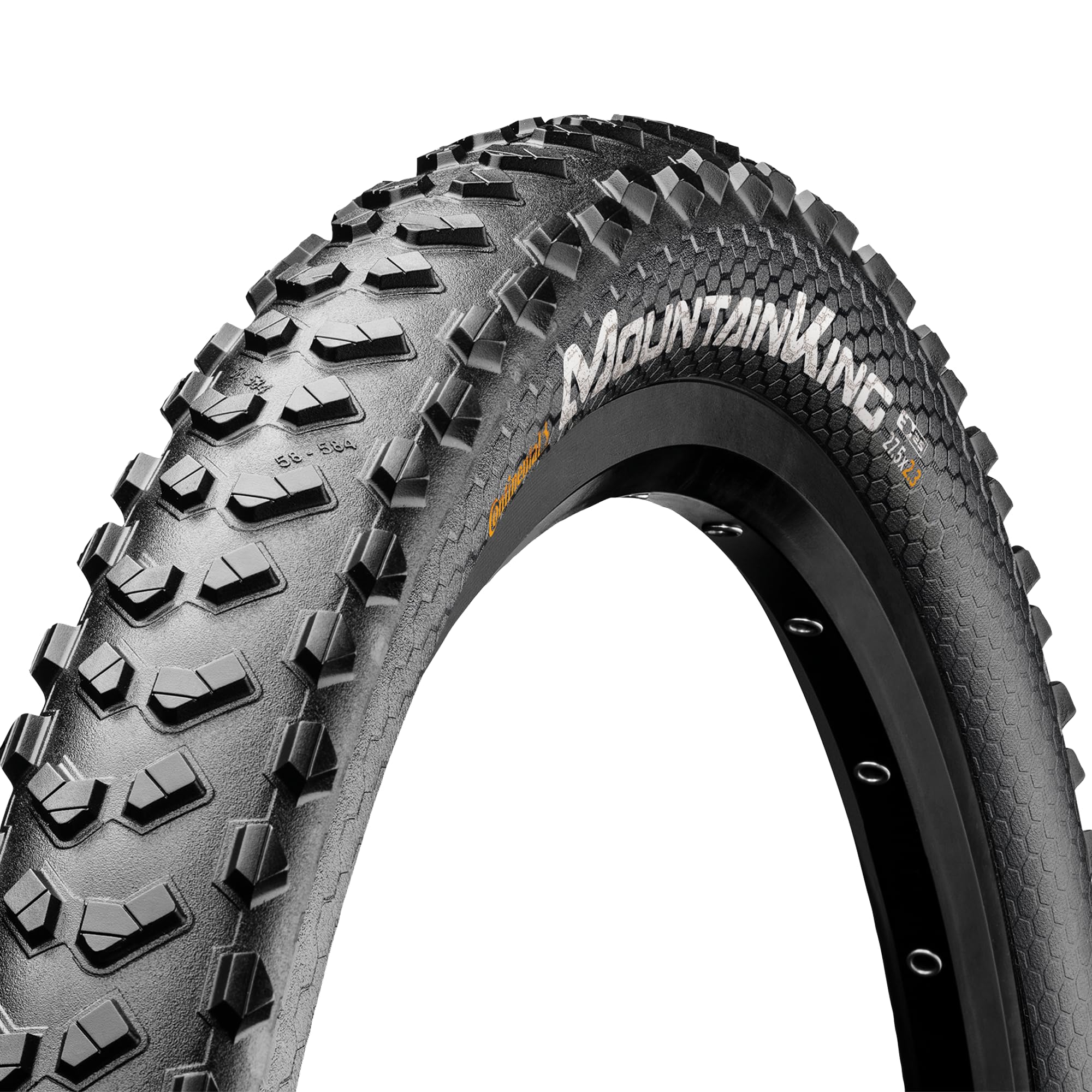
Continental Mountain King

Continental Mountain King

Wet/muddy terrain

Our Score 9.2/10
Check Price

Worth Noting

  • Mounting can be very tight on some rims; bead seating may require significant effort
Width
2.3"
Casing
ShieldWall
Tubeless
Yes
Tread & Compound
Mountain King, PureGrip
Read the full review

Aggressive tread blocks dig into loam and mud where many trail tires skate — the Mountain King hooks up predictably in slick conditions. Its ShieldWall casing adds a stable, planted feel on roots and rocks, and the PureGrip compound holds up well across mixed terrain. Mounting this tire tubeless can be a serious workout; some rims require significant force to seat the bead, and occasional tire bumps have been noted after installation. That makes it a better fit for riders comfortable with a bit of struggle or those who plan to run tubes.

Best for trail riders who prioritize wet-weather grip over hassle-free setup and don't mind using strong tire levers or a shop's tire machine. Not ideal for dry hardpack specialists or anyone expecting a quick tubeless install.

Using a tire bead jack or having a shop mount them initially reduces frustration — consider running tubes if tubeless setup proves too stubborn.

Bottom line: If your rides cut through wet slop and you can handle a fight with tire levers, the Mountain King delivers where others lose grip.

6

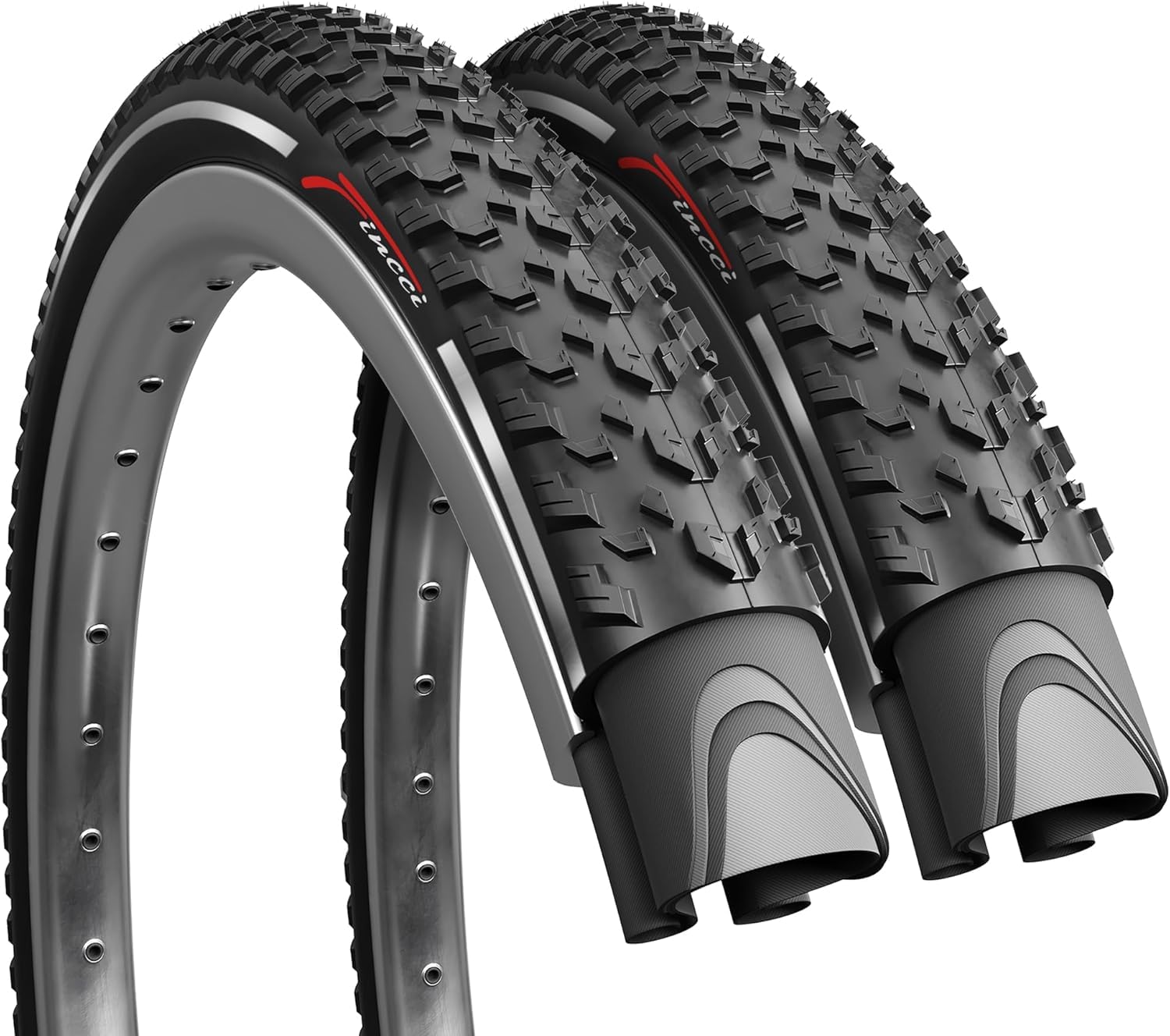
Fincci Maori 2.35

Fincci Maori 2.35

Light trail/gravel

Our Score 9.0/10
Check Price

Worth Noting

  • Mid-grade rubber compound means shorter tread life under frequent off-road use
Width
2.35"
Casing
Tubeless
No
Tread & Compound
Aggressive, —
Read the full review

The Fincci Maori offers a wide 2.35-inch profile with an aggressive tread pattern rarely seen at this price point, and the folding Kevlar bead makes mounting hassle-free. Compared to the slimmest budget alternative in this set, the Fincci provides a broader contact patch and more grip on loose surfaces. This pair suits budget-conscious riders heading out on fire roads, gravel paths, and light singletrack — not enduro or rocky terrain. The rubber compound is mid-grade, so longevity and puncture protection are limited, but for the cost of a set, it’s a practical choice for casual use.

Bottom line: A smart buy for those building a budget 27.5 setup for fire roads and light singletrack, as long as expectations are set for component longevity.

7

Fincci Durable 2.10

Fincci Durable 2.10

Casual MTB/hybrid

Our Score 9.0/10
Check Price

Worth Noting

  • On trails with sharp rocks or thorns, the thinner tread can let punctures through
Width
2.1"
Casing
Tubeless
No
Tread & Compound
Read the full review

The Fincci set brings folding Kevlar beads to a budget two-pack, making installation easy and weight low. Tread grip is fine on gravel and hardpack for casual rides. What holds it back against the wider Maori pair is the narrower 2.10 profile and limited puncture resistance – sharp objects can work through the tread more readily, so stick to smoother surfaces.

Bottom line: Pick these for casual commuting or light gravel rides where puncture risk is low, not for rocky singletrack.

How to Choose

Tread Pattern and Compound

Tread determines grip. Wide, tall knobs dig into loose soil but slow down on pavement. Closely spaced, low knobs roll faster but slide on soft surfaces.

Compound affects durability and traction. Softer compounds (Maxxis 3C, Continental PureGrip) grip better but wear faster. Dual compounds balance longevity and cornering confidence for most riders.

Casing Protection

Casing layers (EXO, ShieldWall, DoubleDown) add puncture and cut resistance. EXO is enough for trail riding; DoubleDown is for aggressive enduro on sharp rocks.

Budget tires often use a basic 30tpi casing that tears easily. If you ride rocky trails, invest in a reinforced casing to avoid sidewall gashes.

Tubeless Readiness

Tubeless tires seal small punctures and run lower pressures for better traction. Most modern MTB tires are tubeless-ready, but some budget models are clincher-only and require tubes.

Converting a non-tubeless tire to tubeless is risky—the bead may not seat or hold air. Stick with tubeless-ready if you want the reliability.

Width and Rim Compatibility

Width affects traction and rolling resistance. A 2.3 tire fits most trail bikes; 2.5 tires need wide rims (30mm+ internal) and frame clearance.

Mounting a tire on a rim that is too narrow pinches the profile and reduces grip. Check your rim inner width and compare with tire manufacturer recommendations.

Weight and Intended Use

Heavier tires (over 900g) offer more protection but feel sluggish on climbs. Lighter XC tires (<700g) roll fast but puncture easier.

Match weight to your riding: enduro riders should accept 850-1000g for protection; XC racers target 600-750g for speed.

Frequently Asked Questions