Lights & Electronics

8 Best Bike Radar of 2026: Reliable Detection for Every Budget

Which bike radar fits your ride? From budget-friendly to camera-equipped, find the radar that pairs with your computer and delivers real-world alerts.

A bike radar can transform your awareness of traffic, but real-world use often reveals quirks: battery life that doesn't match the sticker, false alerts from parked cars, and connectivity hiccups with non-native computers.

The key is finding the right balance of range, battery, and compatibility for your specific setup. This guide cuts through the noise to show which models deliver consistent detection without becoming a distraction.

1

Garmin Varia RTL515

Top Pick
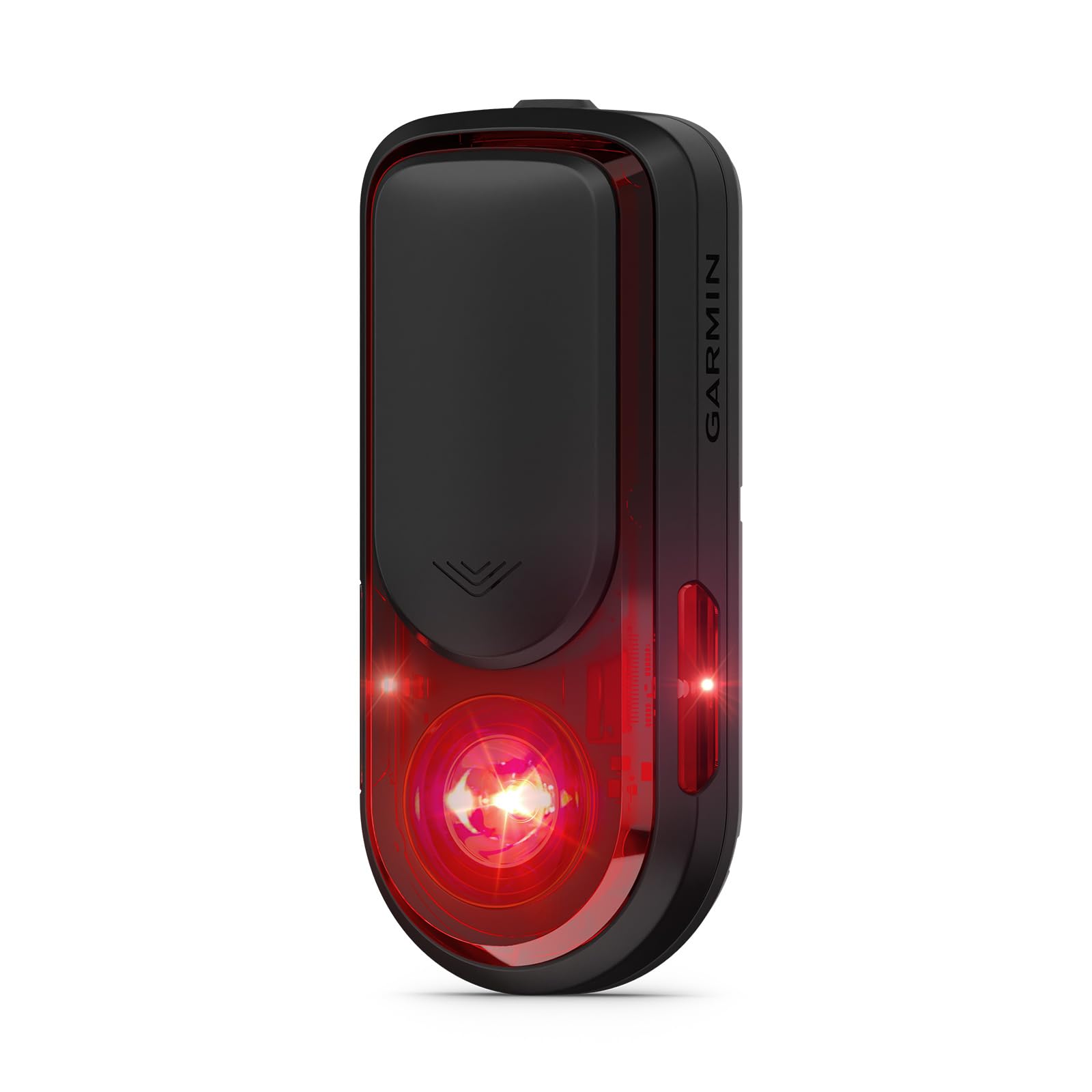
Garmin Varia RTL515

Garmin users

Our Score 9.6/10
Check Price

Worth Noting

  • Battery life in solid light mode can be shorter than the advertised six hours, especially with the tail light on.
  • Micro-USB charging port feels outdated compared to USB-C connectors found on newer rivals.
Battery Life
16h day flash
Connectivity
ANT+, Bluetooth
Detection Range
140 m
Read the full review

The Garmin Varia RTL515 sets the standard for rear radar on a bike. Detection is consistent: vehicles approaching from behind are flagged clearly on a compatible Garmin Edge or smartwatch, with enough advance warning to adjust position. False alerts from roadside objects or cyclists are rare enough to keep trust high. Pairing with a Garmin head unit takes seconds, and the radar data overlays neatly on the map screen.

Battery life depends heavily on the light mode. In day flash mode, the unit can go for a full day of riding. Switch to solid mode, and runtime drops sharply – some rides may see closer to four or five hours, especially with the tail light on. The micro-USB charging port is a practical inconvenience if you’ve moved to USB-C, but the unit holds a charge well enough for most non-stop rides under six hours.

This radar is best for road cyclists who already use a Garmin Edge computer or smartwatch and want a straightforward safety upgrade without worrying about app pairing or phone dependency. Riders who need a built-in camera, USB-C, or a battery that reliably handles all-day solid-mode rides should check the newer Garmin RCT715 or third-party alternatives. Build quality is solid, and the IPX7 rating handles rain without worry.

Use day flash mode for longer battery life – solid mode cuts runtime roughly in half.

Bottom line: For road cyclists already in the Garmin ecosystem, this radar is the most straightforward way to add rear detection without fuss. If you need longer battery life in solid mode or USB-C, consider newer options.
2

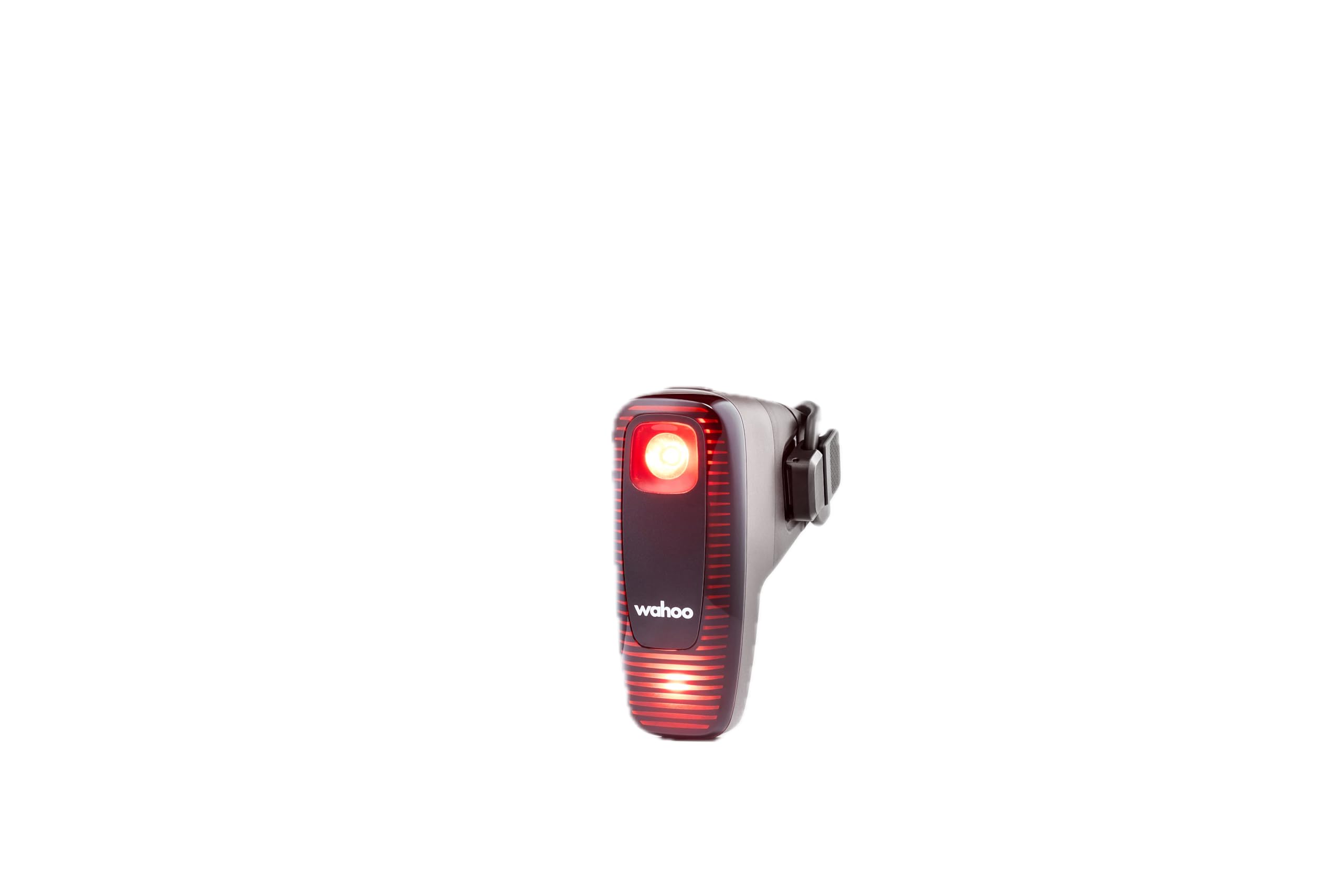
Wahoo TRACKR

Wahoo TRACKR

Wahoo users

Our Score 9.4/10
Check Price

Worth Noting

  • Limited compatibility with non-Wahoo head units such as Garmin Edge
  • Battery life may require a mid-ride recharge for very long rides
Battery Life
Connectivity
ANT+, Bluetooth
Detection Range
150 m
Read the full review

The TRACKR's detection accuracy stands apart from the competition — user feedback consistently highlights near-total elimination of false alerts from roadside objects. The bright tail light with brake-light functionality adds an extra layer of visibility, and pairing with Wahoo ELEMNT computers happens without fuss.

Battery life supports most training rides and club runs, though riders planning all-day epics may want to recharge between outings. The radar's range of 150 meters gives ample warning on open roads, and the unit's sleek design mounts securely on the seatpost.

This radar is ideal for Wahoo ELEMNT owners who prioritize accuracy above all else. However, compatibility with non-Wahoo head units like Garmin Edge is not guaranteed, and the premium price reflects the ecosystem lock-in — riders outside the Wahoo world should consider other options.

Confirm your cycling computer is a Wahoo ELEMNT model for full radar functionality before purchase.

Bottom line: For Wahoo ELEMNT users, the TRACKR offers unmatched accuracy and integration; outside that ecosystem, the premium price and compatibility limits make it a specialized choice.

3

Garmin Varia RCT715

Garmin Varia RCT715

Dashcam fans

Our Score 9.2/10
Check Price

Worth Noting

  • Premium price is hard to justify if you only need radar functionality.
  • Connectivity issues and sensor glitches may cause intermittent dropouts.
  • Battery life drops to 4-6 hours with camera active, limiting use on long rides.
Battery Life
6h with camera
Connectivity
ANT+, Bluetooth, Wi-Fi
Detection Range
140 m
Read the full review

Integrated 1080p camera that auto-saves footage upon impact makes this the only radar unit that also records incidents, giving riders a dashcam-like rear view of traffic.

Best for cyclists who want video evidence for safety and insurance, and who own a Garmin Edge computer for easy setup. The camera reduces battery life to 4-6 hours, limiting use on rides longer than that. Some users report occasional connectivity glitches, so check pairing before heading out.

The build quality is solid, and radar detection covers 153 yards accurately. Just keep in mind that the camera’s video recording consumes battery quickly — ideal for shorter training sessions rather than all-day endurance rides.

Charge the unit between rides if you plan to use the camera — its battery life suits training sessions under 4 hours rather than all-day epic rides.

Bottom line: The Garmin Varia RCT715 is the right pick if video evidence matters more than pure radar value — just budget for shorter rides with the camera running.

4

iGPSPORT SR mini

iGPSPORT SR mini

iGPSPORT fans

Our Score 9.2/10
Check Price

Worth Noting

  • Mounting strap may tear if overstretched during first installation.
  • 20-hour light-mode battery may require mid-ride charging on rides exceeding that duration.
Battery Life
20h light
Connectivity
ANT+, Bluetooth
Detection Range
160 m
Read the full review

The iGPSPORT SR mini provides 160m vehicle detection and tracks multiple cars simultaneously, performing consistently with iGPSPORT, Garmin, and third-party computers. Its radar accuracy holds up well in mixed traffic, and the tail light offers adequate visibility for daytime and low-light conditions.

Battery life in light mode reaches 20 hours, covering most training rides and daytime events. For extended all-day adventures, radar-only mode extends runtime to 25 hours, allowing riders to preserve battery for longer outings without the tail light.

This radar suits iGPSPORT computer owners who want a budget-friendly upgrade with longer detection range than the Coospo TR70. Riders should note that the mounting strap can tear if pulled too tightly during installation, and the 20-hour light-mode battery is adequate for typical day rides but not for multi-day brevets without charging.

Keep the mounting strap loose while positioning the radar, then tighten gradually to avoid tearing.

Bottom line: For iGPSPORT users, the SR mini delivers strong radar performance at a budget price, with the caveat of careful installation and moderate battery life.

5

Garmin Varia RTL500

Garmin Varia RTL500

Budget Garmin

Our Score 9.2/10
Check Price

Worth Noting

  • Battery life may not cover rides exceeding roughly 75 miles
  • Micro-USB charging and bulkier form factor compared to newer models
Battery Life
~75 mi
Connectivity
ANT+ only
Detection Range
140 m
Read the full review

The Garmin Varia RTL500 delivers the same accurate rear vehicle detection and sturdy construction that the Varia line is known for, at a lower upfront cost than newer models. Its micro-USB port and roughly 75-mile battery life mean it falls short for riders who need USB-C convenience or plan to ride beyond that range without charging. Newer alternatives offer better battery life and connectivity, making this a better fit only when found at a deep discount or for Garmin users who prioritize detection accuracy over modern features.

Bottom line: Worth considering if found at a deep discount or for Garmin users who prioritize detection accuracy over modern connectivity and battery range.

6

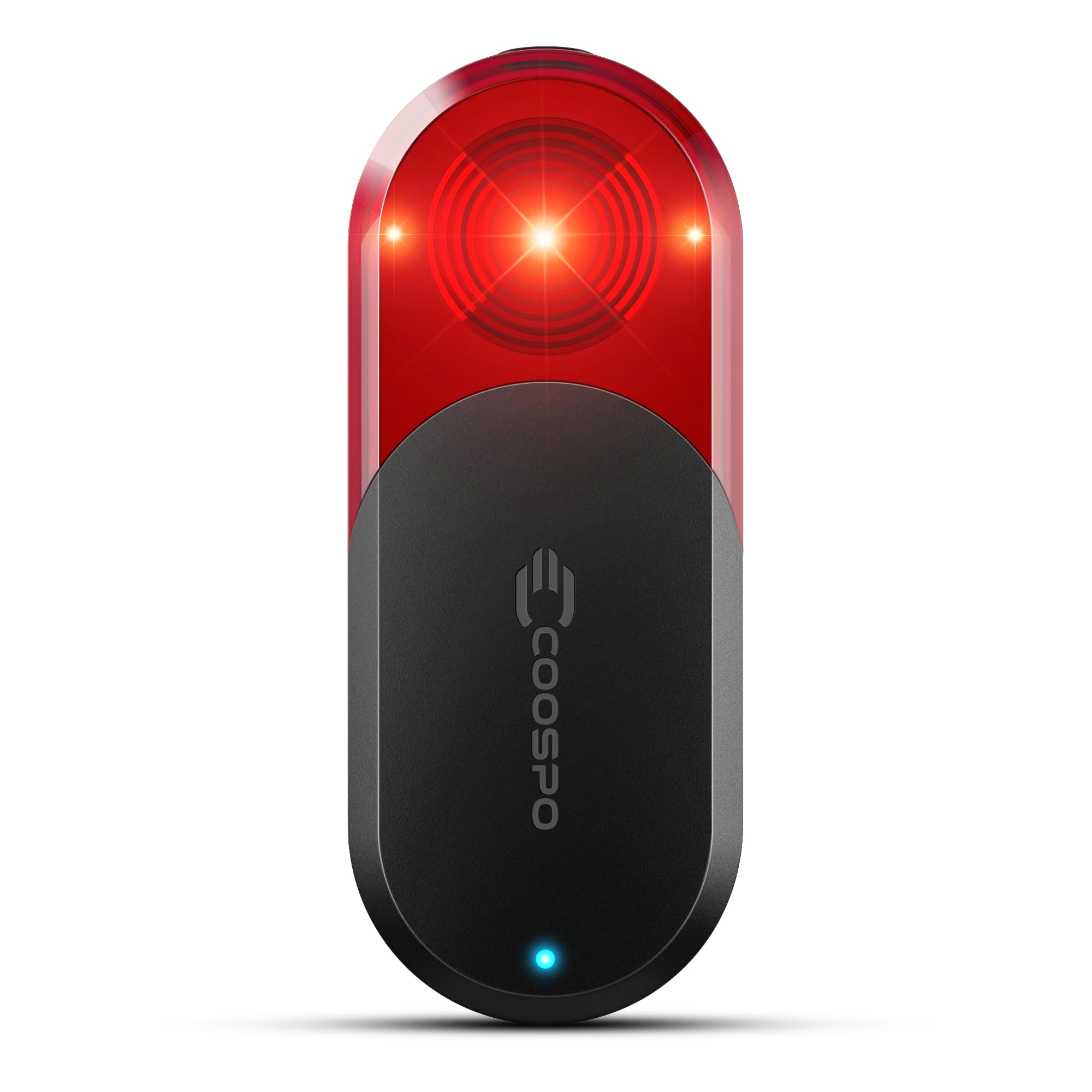
COOSPO TR70

COOSPO TR70

Budget newcomers

Our Score 9.0/10
Check Price

Worth Noting

  • On rough terrain or after extended use, the mounting bracket may crack.
  • In dense traffic, the beep for every approaching vehicle can be distracting.
Battery Life
20h with light
Connectivity
ANT+, Bluetooth
Detection Range
140 m
Read the full review

The COOSPO TR70 brings radar detection to budget-conscious cyclists, pairing easily with Garmin Edge computers and offering up to 40 hours of battery life. For riders who want the core safety feature of rear vehicle alerts without paying premium prices, this is the most cost-effective option available.

This radar is best for riders who already own a Garmin computer and want an affordable upgrade. Note that the mounting bracket may crack under heavy vibration over time, and the audible beep for every detected vehicle can be distracting on busy roads. Riders on quiet routes or those who can tolerate the beeping will find the TR70 a strong value.

On rough terrain, inspect the mounting bracket periodically for signs of cracking.

Bottom line: The TR70 is the budget pick for Garmin users who want radar safety without the premium cost, provided they can tolerate the audible beeps and use the mount on smooth roads.

7

Bryton GARDIA R300L

Bryton GARDIA R300L

Range seekers

Our Score 8.4/10
Check Price

Worth Noting

  • In urban environments, false alerts from parked cars and street furniture occur regularly
  • Some units may disconnect from the head unit or fail to detect approaching vehicles
Battery Life
17h claimed
Connectivity
ANT+, Bluetooth
Detection Range
190 m
Read the full review

The Bryton GARDIA R300L claims the longest detection range in this comparison at 207 yards (190 meters), giving riders extra early warning on fast roads. It pairs automatically with Garmin Edge computers and Bryton units, and costs less than Garmin's own Varia radars — a clear value proposition for those already in either ecosystem.

This radar is best suited for Bryton computer users who want full compatibility and for riders who prioritize maximum detection range over pinpoint accuracy. The tradeoff comes in the form of frequent false alerts from parked cars, street furniture, and other cyclists — particularly noticeable in urban environments. Additionally, some units have exhibited intermittent disconnections or missed detections, so unit quality can vary.

The 17-hour claimed battery life covers long rides, and the IP65 water resistance handles light rain without issue. ANT+ and Bluetooth connectivity allow use with phone apps for setup and updates, though the false-alert behavior and reliability variance mean this isn't a set-and-forget device for every rider.

Mount the radar with a clear rearward line of sight to reduce false triggers from nearby roadside clutter.

Bottom line: The R300L delivers class-leading range and Garmin ecosystem compatibility at a lower price, but its false-alert tendency and uneven unit quality make it a compromise best suited to riders who accept those boundaries.

8

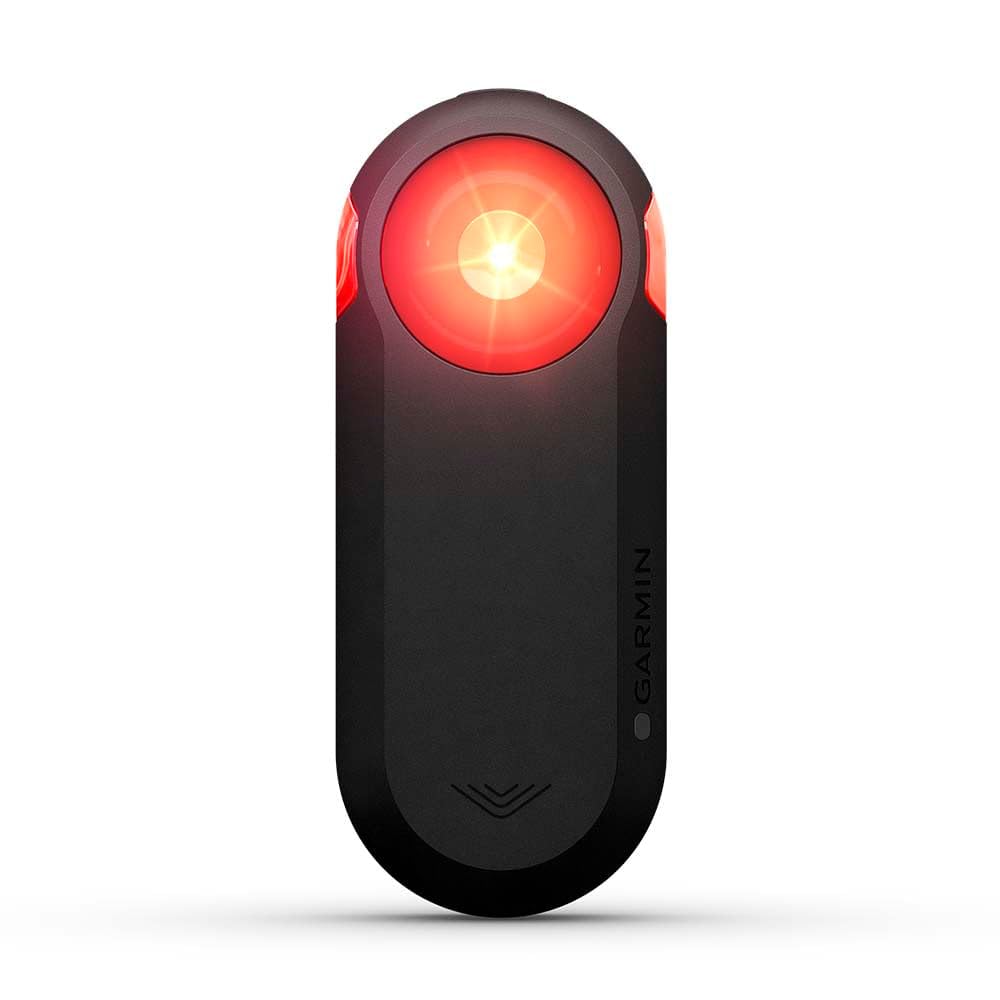
Garmin Varia RearVue 820

Garmin Varia RearVue 820

Tech Garmin

Our Score 8.4/10
Check Price

Worth Noting

  • Battery life may not consistently reach the advertised 24 hours in day-flash mode, depending on usage.
  • Some units have become unresponsive after firmware updates, a potential early-adopter risk.
Battery Life
24h day flash
Connectivity
ANT+, Bluetooth
Detection Range
175 m
Read the full review

The RearVue 820 offers the longest radar range in Garmin's lineup and a tail light that can be tailored for different riding scenarios, including a brake-light effect. These features make it appealing for riders maximizing visibility. However, it cannot claim the top spot over the RTL515 because of early reliability concerns: some units have become unresponsive after firmware updates, and battery life in real-world use can fall short of marketed figures. For buyers prioritizing established performance, the RTL515 remains the safer choice.

Bottom line: For Garmin enthusiasts who want the newest features and accept early-adopter risks, the RearVue 820 delivers maximum customization and range. If consistent performance is essential, the RTL515 is a more dependable alternative.

How to Choose

Detection Range

Longer range gives you more time to react to approaching vehicles, especially on fast descents or open roads. However, increased sensitivity also means more false alerts from parked cars, road signs, and even overhead bridges.

A 140m range is sufficient for most road cyclists, while 190m+ models are better suited for high-speed group rides where every second counts. Expect some false positives regardless of brand.

Battery Life

Battery life is almost always advertised in day flash mode, which pulses the light to save power. Solid mode drains the battery 2-3 times faster, so a claimed 16 hours may become 6 hours in practice.

For century rides or all-day adventures, look for at least 16 hours in flash mode. If you ride with the light on solid, plan to recharge mid-ride or choose a model with a replaceable battery.

Connectivity and Compatibility

Most radars use ANT+ and Bluetooth, but not all head units support both. Garmin Edge computers work with most ANT+ radars, while Wahoo ELEMNT units favor Bluetooth. Some budget models only pair with their own app or specific ecosystems.

Check your bike computer's supported protocols before buying. If you switch between computers (e.g., Garmin and phone), a dual-protocol radar is essential.

Tail Light Brightness

The tail light is a secondary safety feature, but its brightness determines how visible you are from behind. Brighter lights (80+ lumens) are easier to see in direct sunlight but drain the battery faster.

A brake light feature that pulses when the radar detects a rapidly closing vehicle adds an extra layer of awareness for drivers, but requires a compatible computer or app to function.

Additional Features

Extra features like a built-in camera, customizable light patterns, or Wi-Fi connectivity increase cost and complexity. Camera-equipped radars automatically record incidents, but battery life drops to 4-6 hours when recording.

For most riders, the core radar+light combo is sufficient. Only invest in a camera if you ride in high-traffic areas and want video evidence for insurance or incident reporting.

Frequently Asked Questions