Lights & Electronics

11 Best Bone Conduction Headphones for Cycling 2026: Reliable & Affordable

Find the best bone conduction headphones for cycling that balance safety, battery, and fit — without paying for features you don't need.

Cyclists need headphones that stay put through sweaty miles, let you hear approaching traffic, and survive a sudden downpour. Many bone conduction models sound great on paper but fall short in real-world use — with finicky chargers, inconsistent battery life, or poor wind handling.

The real choice comes down to deciding how much you want to spend on proven reliability versus cutting-edge features. A headphone with thousands of user-years of feedback offers peace of mind that a cheaper, newer option simply can't match yet.

Whether you ride daily commutes or weekend centuries, the right pair balances battery life, water resistance, and a secure fit. These are the models that actually deliver on their promises without forcing unnecessary trade-offs.

1

Vulxovt L10

Top Pick
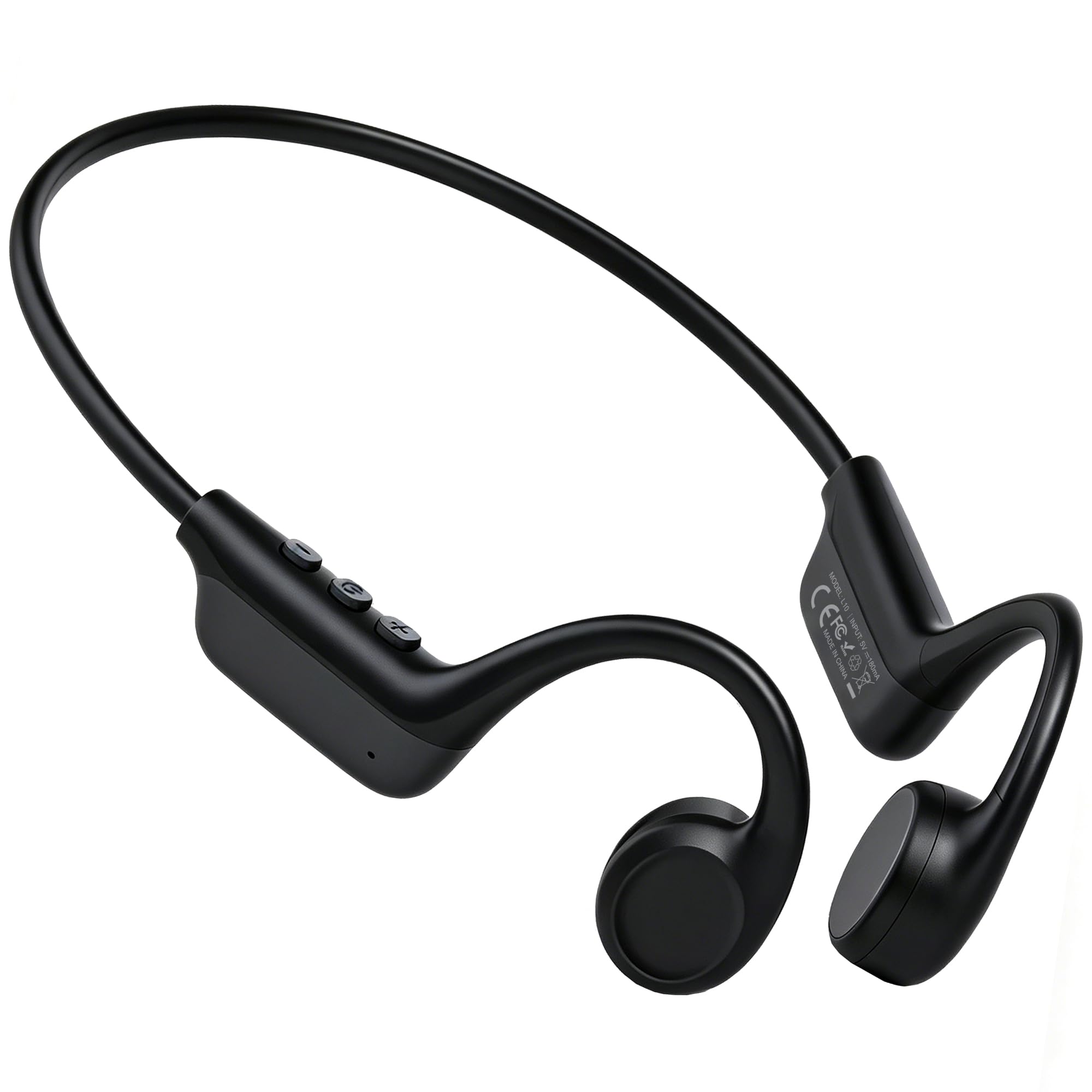
Vulxovt L10

Great rated

Our Score 9.6/10
Check Price

Worth Noting

  • For cyclists who ride daily and expect years of service, the long-term durability of this model is not yet established
Weight
27 grams
Charging
USB-C
Bluetooth
6.0
Battery Life
10 hours
Read the full review

The Vulxovt L10 delivers clear sound, a lightweight 27-gram frame that you hardly notice, and a secure fit that stays in place during rides. Its 10-hour battery with USB-C charging covers most daily cycling needs, and the IPX5 water resistance handles sweat and light rain. For cyclists planning years of heavy use, however, the product's long-term durability has not yet been confirmed, making it a choice for those willing to test a new design.

Bottom line: A solid choice for budget-minded cyclists who prioritize comfort and a secure fit for shorter rides, provided they are comfortable with a newcomer's unconfirmed track record.
2

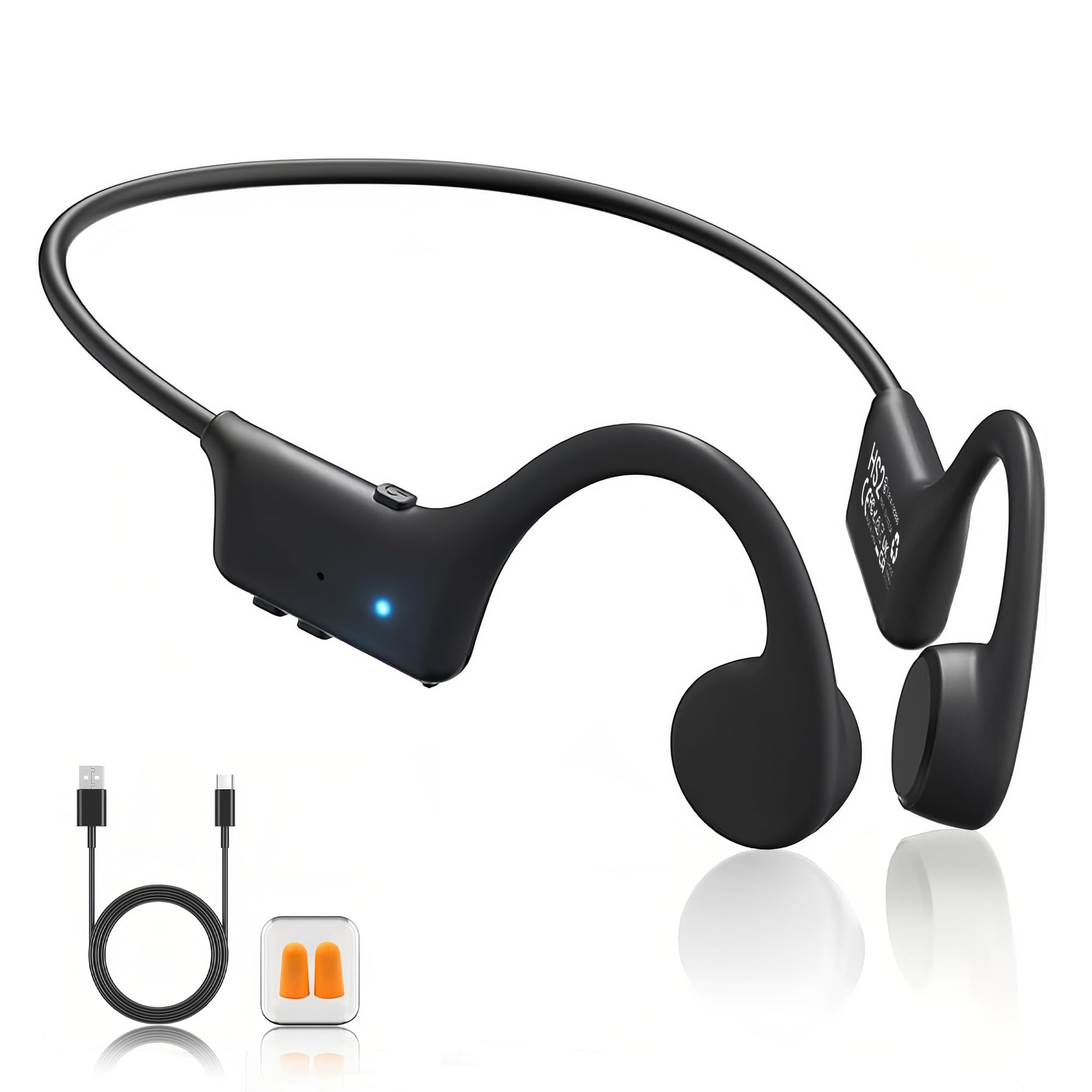
Gavhaio HS2

Gavhaio HS2

Latest Bluetooth

Our Score 9.4/10
Check Price

Worth Noting

  • Long-term durability under repeated cycling use is not yet confirmed across many riders
Weight
Charging
USB-C
Bluetooth
5.4
Battery Life
12 hours
Read the full review

The Gavhaio HS2 stands out for bringing Bluetooth 5.4 and a full 12-hour battery to the budget tier — modern connectivity that cyclists will appreciate on long rides without frequent charging. The skin-friendly silicone frame keeps weight low and comfort high, even under helmets or sunglasses.

Sound clarity is solid for bone conduction: voices and music come through clearly while ambient traffic noise remains audible — exactly what situational awareness demands. Pairing is quick and the connection stays stable through the ride. The lightweight design (around 27g) means you can wear it for hours without pressure points.

This pair suits cyclists who want the latest wireless standard and don't want to spend top dollar for long battery life. However, because the HS2 is relatively new to the market, its ability to hold up through months of sweat, sun, and road vibration is less certain than alternatives with years of user feedback behind them — something to weigh if you plan on daily heavy use.

Bottom line: A strong feature set for the price, best suited to early adopters and casual cyclists who prioritize modern Bluetooth and all-day battery over a decades-long track record.

3

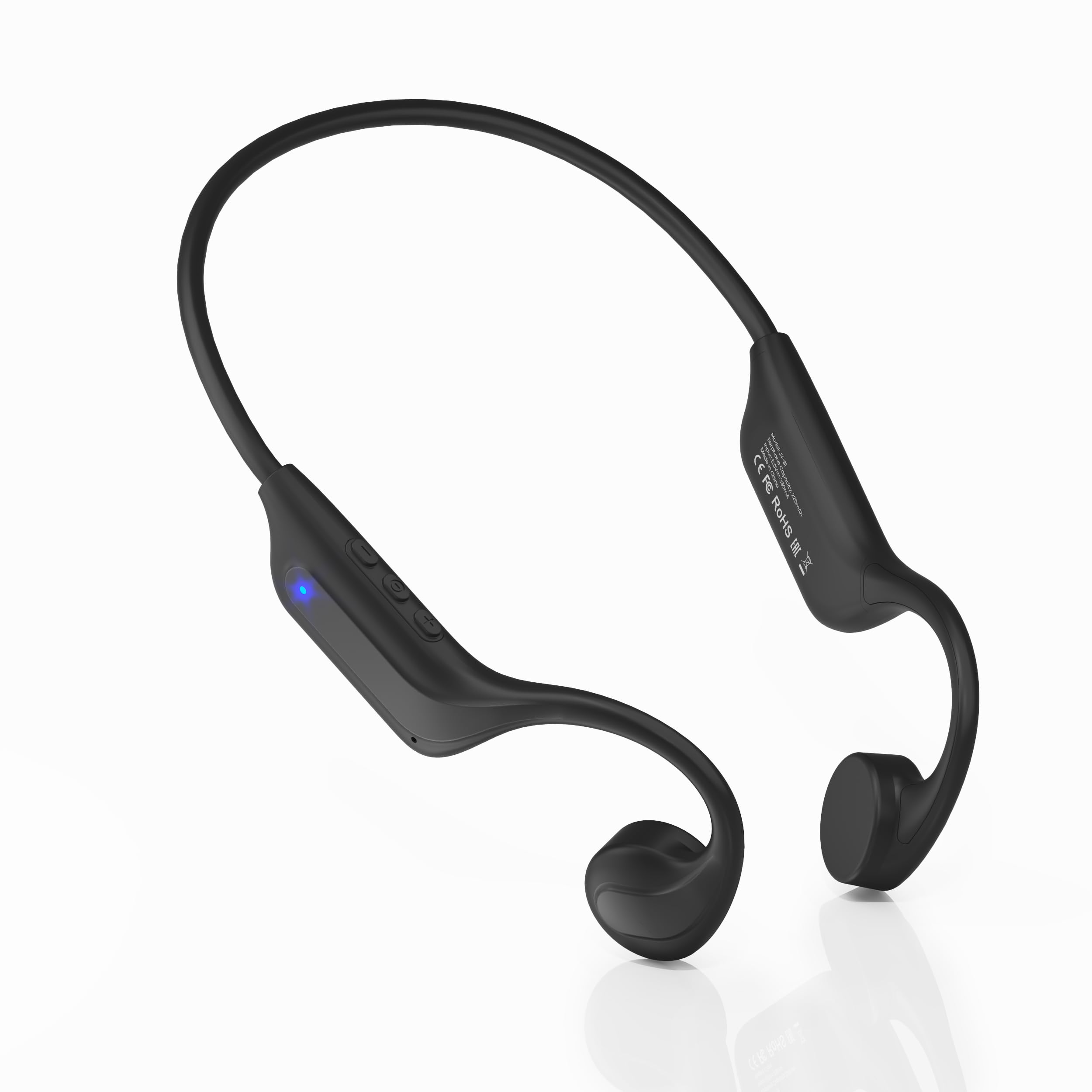
Vonlaxi JY-B1

Vonlaxi JY-B1

Feature-packed

Our Score 9.4/10
Check Price

Worth Noting

  • Long-term durability for daily cycling use is uncertain given the short time on the market
Weight
25 grams
Charging
USB-C
Bluetooth
6.0
Battery Life
10 hours
Read the full review

The Vonlaxi JY-B1 packs three EQ presets and dual-device pairing into a sub-$30 package, making it one of the most feature-rich ultra-budget bone conduction options for cyclists who want to fine-tune sound without breaking the bank. At 25 grams, it sits lightly on the head and allows clear ambient hearing during rides. The IP65 sweat and dust rating covers splashes and rain. However, the limited track record leaves long-term durability under regular cycling use unconfirmed, so this is best approached as an experiment rather than a long-term investment.

Bottom line: Suitable for cyclists on a tight budget who want to test EQ modes and dual-device pairing, and are comfortable with an unproven long-term track record.

4

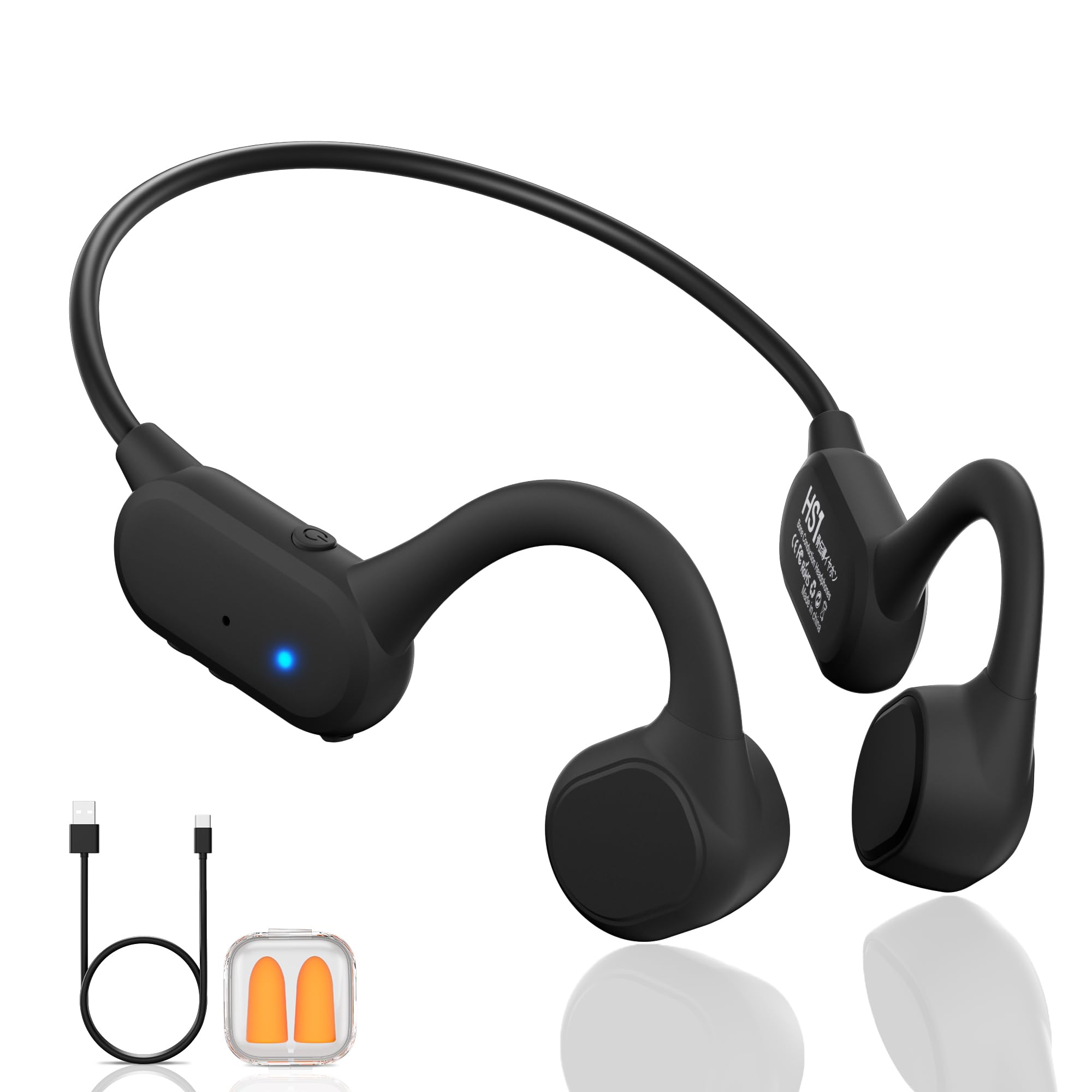
Cevinily HS1

Cevinily HS1

Ultra-budget

Our Score 9.2/10
Check Price

Worth Noting

Weight
32 grams
Charging
USB-C
Bluetooth
5.4
Battery Life
12 hours
Read the full review

The Cevinily HS1 delivers a 12-hour battery life, IPX5 sweat resistance, and Bluetooth 5.4 connectivity for under $30 — specifications that match or beat many pricier models. Early user feedback highlights clear sound, lightweight comfort, and quick pairing, making it a compelling option for riders who want open-ear awareness without the usual budget compromises.

This is best suited for cyclists on a tight budget who need a full day of ride time between charges and don't plan to push the headset through heavy daily use. Build quality and long-term durability are less established than more expensive options like the SHOKZ OpenRun Pro, so it's a fit for those who accept that ultra-budget gear may have a shorter lifespan.

The lightweight 32-gram frame and USB-C charging add everyday convenience. Sound quality is notably clear for the price point, and the open-ear design keeps you aware of traffic. For riders who prioritize upfront savings over multi-year reliability, the HS1 offers a solid experience.

Bottom line: A budget-friendly bone conduction headset that covers the essentials — long battery, sweat resistance, and decent audio — for riders who don't expect premium longevity.

5

Bayhanc T06

Bayhanc T06

Ultra-budget

Our Score 9.2/10
Check Price

Worth Noting

  • Long-term durability under regular cycling use not yet confirmed
  • Water resistance lacks an official IP rating
Weight
Charging
USB-C
Bluetooth
5.4
Battery Life
10 hours
Read the full review

The Bayhanc T06 is the most affordable bone conduction headphone in this set, pairing Bluetooth 5.4 with a claimed 10-hour playtime and a lightweight frame. For the price, the sound is clear and balanced, and the fit is comfortable enough for casual rides or short commutes. However, the long-term reliability is unverified — the headset has a limited track record, and the water resistance is stated only as ‘sweatproof’ with no official IP rating. This makes it a gamble for anyone who needs consistent performance over months of heavy use, but for someone on an extreme budget who only rides occasionally, it delivers the core functionality without breaking the bank.

Bottom line: Pick the Bayhanc T06 only if your budget is extremely tight and your rides are short — it covers the basics but carries unknown reliability for anyone cycling daily or in wet conditions.

6

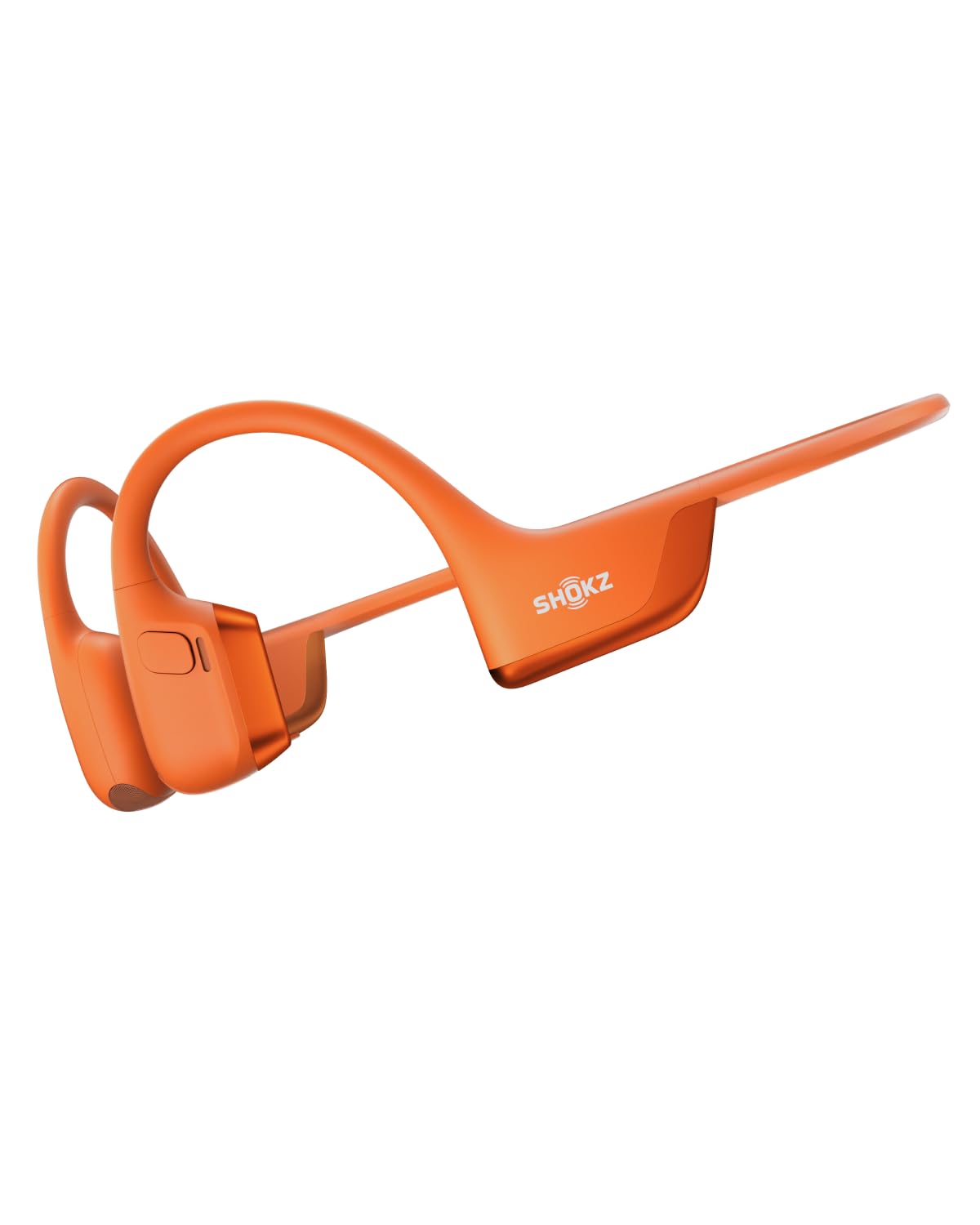
SHOKZ OpenRun Pro

SHOKZ OpenRun Pro

Proven reliability

Our Score 9.0/10
Check Price

Worth Noting

  • Proprietary magnetic charger needs careful alignment; connection can be inconsistent
  • Microphone clarity may degrade after extended use, affecting call quality
  • Charging and power reliability can vary between individual units over time
Weight
29 grams
Charging
Magnetic (proprietary)
Bluetooth
5.1
Battery Life
10 hours
Read the full review

The OpenRun Pro holds its position during hard efforts with a titanium frame that stays put, and the 10-hour battery covers long rides without needing a midday charge. The quick-charge feature adds 1.5 hours of playback from a 5-minute top-up, which is helpful when you forget to plug in overnight.

At 29 grams, the headphones are light enough to forget during an all-day ride, and the bone conduction driver delivers clear audio with noticeably deeper bass than previous SHOKZ models. For cyclists, the open-ear design preserves awareness of traffic, wind, and surroundings — a practical safety feature that doesn't force a trade-off in sound clarity.

This model suits riders who want a secure, long-lasting headphone and are comfortable with a proprietary magnetic charging cable instead of USB-C. The charger requires precise alignment — occasional contact issues have been noted when debris collects on the pins. The microphone can also lose clarity over extended use, though for solo cyclists or those who rarely take calls this is a minor concern. Durability consistency varies between units, with some experiencing charging or power irregularities after several months.

Rated IP55, the OpenRun Pro handles sweat and light rain without issue, making it suitable for year-round training in variable weather. The flexible titanium frame accommodates different head shapes while remaining firm enough to stay in place during sprints or bumpy descents.

Wipe the magnetic contacts clean after sweaty rides and ensure the charger clicks fully into place to avoid intermittent charging.

Bottom line: For cyclists who prioritize situational awareness and consistent battery life without stepping up to the premium dual-driver model, the OpenRun Pro delivers a dependable ride companion at a fair mid-range price.

7

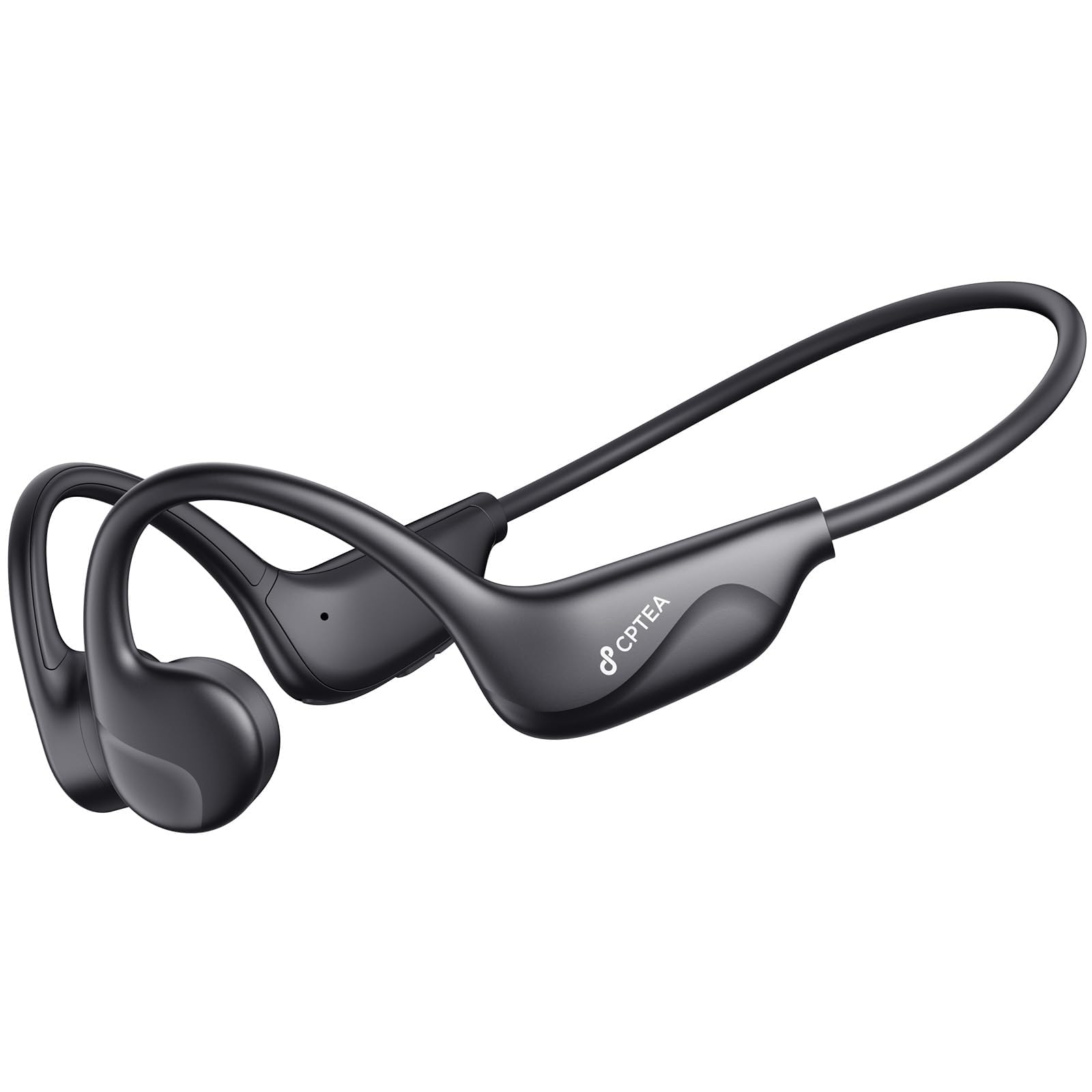
CPTEA X3

CPTEA X3

Solid mid-budget

Our Score 9.0/10
Check Price

Worth Noting

Weight
27 grams
Charging
USB-C
Bluetooth
6.0
Battery Life
10+ hours
Read the full review

The CPTEA X3 delivers 10-hour playback, USB-C charging, and Bluetooth 6.0 at a budget-friendly price. Sound clarity is good for an open-ear design, and the lightweight frame stays comfortable during rides. However, its long-term durability is still being established due to limited user feedback, and similar-priced alternatives like the PSIER X23 offer a more documented track record with comparable specs.

Bottom line: Worth considering if you want the latest Bluetooth version and a low-cost entry point, but be prepared for less established long-term durability compared to competitors like the PSIER X23.

8

SHOKZ OpenRun Pro 2

SHOKZ OpenRun Pro 2

Premium audio

Our Score 8.8/10
Check Price

Worth Noting

  • Premium pricing over comparable models makes it a deliberate investment for cyclists.
  • Some units may develop mic or power issues within the first few months, so checking warranty coverage is wise.
  • Battery life reduces noticeably at high volume, requiring mid-ride charging for very long rides.
Weight
30.3 grams
Charging
USB-C (magnetic)
Bluetooth
5.3
Battery Life
12 hours
Read the full review

The OpenRun Pro 2 stands apart from standard bone conduction headphones by adding an air conduction driver alongside the bone conduction transducer, producing fuller, more dynamic sound that rivals traditional earbuds without blocking ambient noise. This dual-driver approach gives cyclists richer audio for long rides while maintaining the situational awareness essential for road safety.

This upgrade comes at a significant premium over the OpenRun Pro, and some early units have reported connectivity or power issues within months — factors to weigh before investing. The OpenRun Pro 2 suits serious cyclists who log long hours in the saddle, value superior audio fidelity, and can accommodate the higher price. For riders who prioritize value or need guaranteed reliability out of the box, the standard OpenRun Pro delivers most of the experience at a lower cost.

When listening at high volume, expect battery closer to 10 hours; charge accordingly for rides beyond that.

Bottom line: For cyclists who place sound quality above all else on long endurance rides, the OpenRun Pro 2 delivers genuine audio improvements — but the OpenRun Pro offers better value and fewer uncertainties for most riders.

9

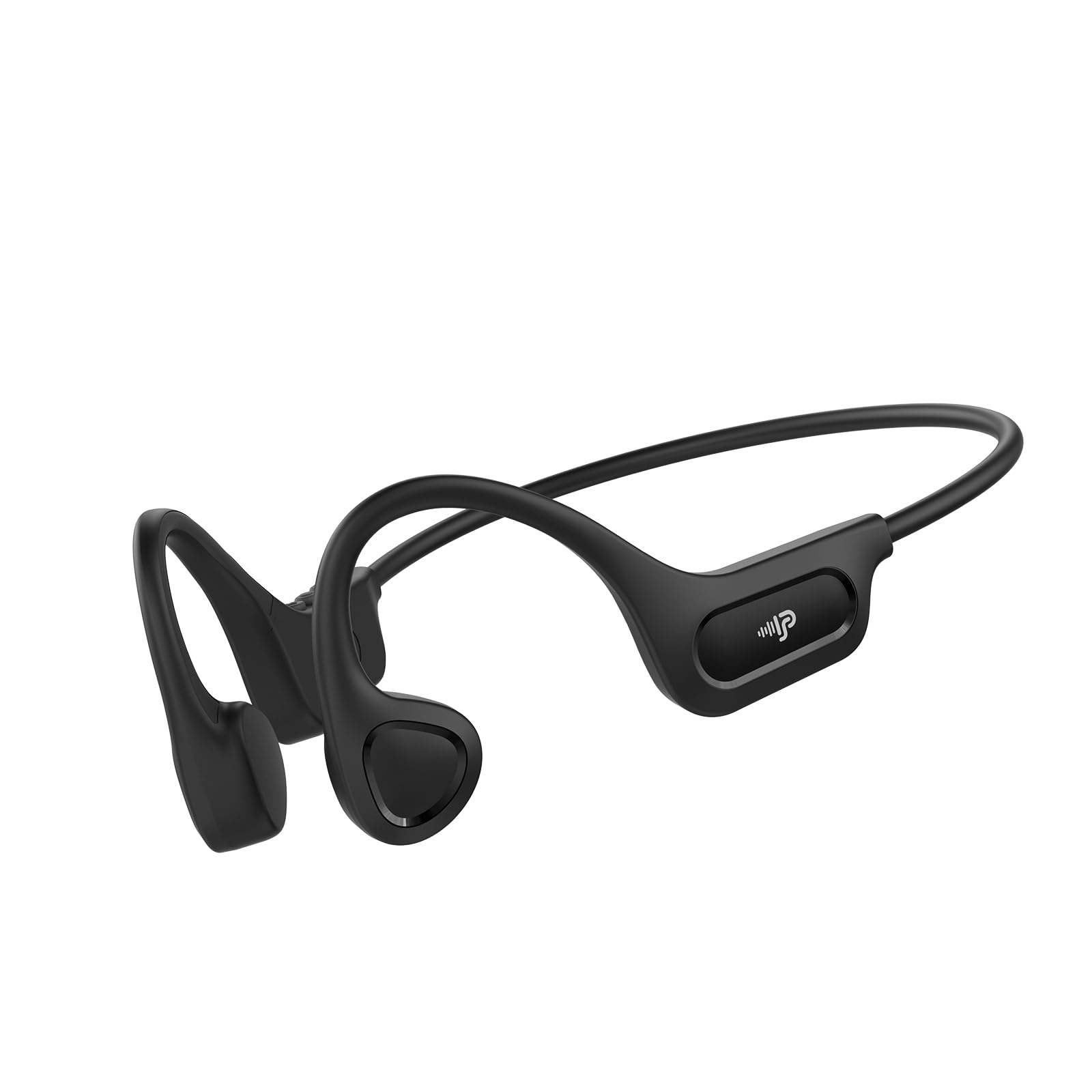
PSIER X23

PSIER X23

Budget champion

Our Score 8.6/10
Check Price

Worth Noting

  • Fit may feel loose for smaller head shapes; included strap provides partial remedy
  • Sound leakage at higher volumes can be heard by others nearby
Weight
23 grams
Charging
USB-C
Bluetooth
6.0
Battery Life
10 hours
Read the full review

At 23 grams with a 10-hour battery and Bluetooth 6.0, the PSIER X23 hits the right notes for budget-conscious cyclists who want the basics done well. Audio clarity is noticeably above what you'd expect at this price point, and the lightweight frame makes it easy to forget you're wearing anything at all.

The battery holds up across a full day of short commutes or a single long ride, and USB-C charging means you're not hunting for proprietary cables. The fit works best for average to larger head shapes; if your head is on the smaller side, the included strap offers a workable fix, though it's not as secure as a fully adjustable band.

This model suits riders who prioritize value over premium bass or rock-solid fit. The sound leakage at higher volumes means you'll want to keep the volume moderate in shared spaces, and the lack of deep bass will be felt by anyone used to in-ear headphones. For everyday commuting, gym sessions, and casual cycling where situational awareness matters, the X23 delivers without breaking the bank.

Keeping the volume at moderate levels reduces sound leakage, making this a good companion for gym or outdoor use where ambient noise already exists.

Bottom line: For cyclists who want open-ear awareness and solid battery life without spending much, the PSIER X23 is a sensible buy — just keep the volume down and check the fit if you have a smaller head.

10

PSIER S18

PSIER S18

All-weather

Our Score 8.6/10
Check Price

Worth Noting

  • 8-hour battery may fall short for all-day rides or multi-sport sessions without a recharge.
  • MP3 mode requires manual file transfer via computer
Weight
Charging
Magnetic + USB
Bluetooth
6.0
Battery Life
8 hours
Read the full review

With IPX8 submersion rating and 32GB of onboard storage, the PSIER S18 works as both a cycling headphone and a swimming companion without a phone. Bluetooth 6.0 keeps connectivity current, and the open-ear design maintains road awareness. The top pick from SHOKZ focuses on longer battery and proven road reliability; the S18 fills a niche for those who want one device for land and water.

The 8-hour battery is shorter than the top pick, and the MP3 mode requires manually copying files from a computer — but for cyclists who accept these boundaries, the S18 offers a unique combination of water resistance and offline storage. This suits triathletes, phone-free runners, and riders who commute or train in the rain. The secure fit stays put during sprints, and the lightweight frame adds minimal bulk.

Sound quality is clear for the price, with enough volume for outdoor use without excessive vibration. The magnetic charging port doubles as a USB connection for file transfers, which is simple once set up. Riders who keep rides under eight hours or can recharge between sessions will find the S18 a capable daily driver that also handles a pool session.

Bottom line: For cyclists who want a single headphone for swimming and riding without a phone, the PSIER S18 delivers unique features at a budget-friendly price. Those who need all-day battery or streaming simplicity should look at the top pick.

11

CXK X14

CXK X14

Popular budget

Our Score 8.0/10
Check Price

Worth Noting

  • Wind noise may inadvertently skip tracks during rides
  • Audio output may degrade in some units after prolonged use
Weight
28 grams
Charging
USB-C
Bluetooth
6.0
Battery Life
10 hours
Read the full review

The CXK X14 delivers clear, loud audio and a lightweight 28-gram frame that stays comfortable on rides — impressive for the price. IPX6 sweat resistance handles rain and perspiration, and the 10-hour battery covers most training sessions. However, some units may lose audio output after several months of use, and wind noise can trigger accidental track skips, which is distracting on breezy roads. For cyclists who prioritize budget over longevity, this is a functional entry point, but buyers wanting durable gear should consider top-tier alternatives.

Bottom line: Best suited for cyclists on a tight budget who are willing to accept the possibility of a shorter lifespan in exchange for immediate savings.

How to Choose

Battery Life

Longer battery life means fewer charges, but actual runtime depends on volume and connection stability. At higher volumes, needed to overcome wind noise, a 10-hour claim often becomes 7-8 hours.

For daily commutes under one hour, 8 hours is plenty. For all-day tours, look for 12-hour models to avoid mid-ride charging stops.

Water Resistance

IPX5 handles sweat and light rain; IPX6 and above can survive a heavy downpour. IPX8 is overkill for cycling unless you also swim with the headphones.

Higher IP ratings often require tighter seals, which can make buttons harder to press or charging ports less accessible. A simple IPX5 is usually sufficient for sweaty summer rides.

Weight

A lighter headphone (25-30g) feels barely noticeable under a helmet but may flex more during hard accelerations. Heavier models (30-32g) often have sturdier frames that stay put.

The difference of a few grams is less important than the fit and clamp force – a well-balanced 32g headphone can feel more secure than a flimsy 23g one.

Bluetooth Version

Bluetooth 5.0 and above offer stable connections up to 10 meters, but cycling in urban areas with interference can cause dropouts. Versions 5.3 and 6.0 improve low-latency and multi-point pairing.

A higher Bluetooth version doesn't guarantee better range – antenna design matters more. But 5.4 and 6.0 support LE Audio for potentially better battery efficiency.

Charging Type

USB-C is the most convenient and replaceable standard – any cable works. Proprietary magnetic chargers create a single point of failure; losing the cable means the headphone is useless until a replacement arrives.

Some magnetic chargers also detach easily if the cable is tugged, which can be frustrating mid-ride. Always check whether a spare cable is included or easily available.

Frequently Asked Questions